Musée du Quai Branly – Jacques Chirac
Good for: World Culture Enthusiasts · Art Lovers · Families
2006
Opened
370,000+
Collection Objects
3–4 hours
Recommended Visit
Quick answer
Musée du Quai Branly – Jacques Chirac in Paris, France — opened in 2006 at the initiative of President Jacques Chirac, the Quai Branly brought together the ethnographic collections of the former Musée de l'Homme and Musée des Arts d'Afrique et d'Océanie. Open Tuesday to Sunday: 10:30 AM – 7:00 PM (Thursday until 10:00 PM, Closed Mondays). Admission: €14 standard admission. Book timed-entry tickets ahead in peak season. World Museum Guide covers the highlights, getting there, and how long to allow (3–4 hours).
Verified 2026-06-30 against official sources.
About Musée du Quai Branly – Jacques Chirac
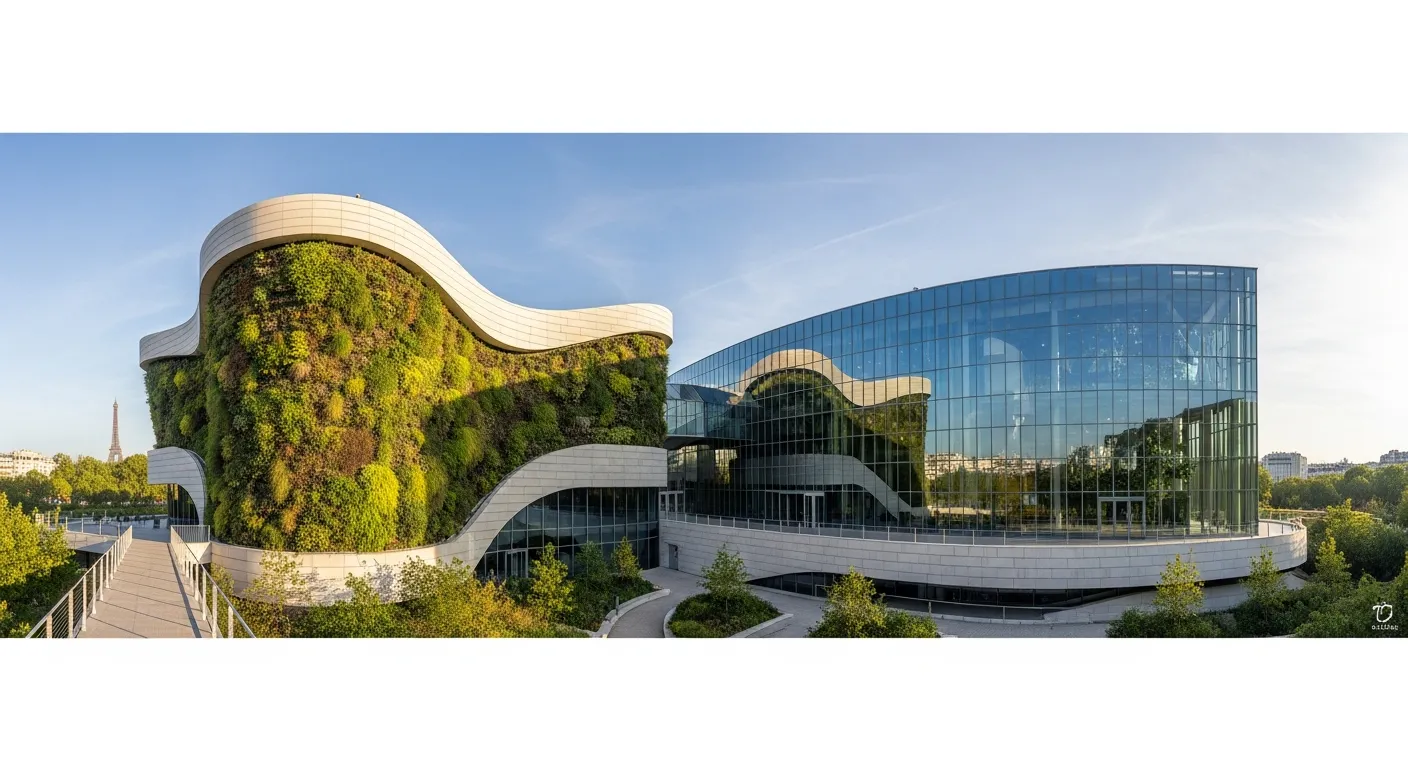
The Musée du Quai Branly — Jacques Chirac opened in 2006 on the Left Bank of the Seine, near the Eiffel Tower. Designed by Jean Nouvel, its building features a living green wall by Patrick Blanc and exhibition spaces suspended above a glass-enclosed base.
The museum holds more than 370,000 objects from the indigenous arts and civilisations of Africa, Asia, Oceania, and the Americas. Displays emphasise cultural context and artistic achievement rather than colonial taxonomy.
Named for its quayside location and former president Jacques Chirac, who championed its creation, the museum transformed how non-Western art is presented in France. The collection draws on the former Musée de l'Homme and Musée National des Arts d'Afrique et d'Océanie.
The museum's riverside garden and the Eiffel Tower backdrop make it one of the most photogenic museum settings in Paris.
3–4 hours highlights route
A focused route through 5 must-see highlights at Musée du Quai Branly – Jacques Chirac without museum fatigue. · 3–4 hours
- 1
Fang Reliquary Guardian Figure
📍 Africa Gallery
A powerful byeri reliquary figure with a elongated body and ovoid head, among the most celebrated African sculptures in any Western museum.
- 2
Maori Meeting House
📍 Oceania Gallery
A full-scale carved meeting house (wharenui) from New Zealand, reconstructed within the museum.
- 3
Aztec Feather Shield
📍 Americas Gallery
A rare surviving feather mosaic shield from central Mexico, one of the most extraordinary pre-Columbian objects in the collection.
- 4
Navajo Sand Painting Textile
📍 Americas Gallery
A ceremonial textile based on Navajo sand painting designs, representing the museum's strong Native American holdings.
- 5
Asmat Bis Pole
📍 Oceania Gallery
A monumental carved bis pole from the Asmat people of New Guinea, reaching several metres in height.
Masterworks & must-see highlights
The works that define Musée du Quai Branly – Jacques Chirac — and why they matter.
Fang Reliquary Guardian Figure
Fang peoples · Gabon · 19th century
📍 Africa Gallery
A powerful byeri reliquary figure with a elongated body and ovoid head, among the most celebrated African sculptures in any Western museum.
Maori Meeting House
Maori carvers · 19th century
📍 Oceania Gallery
A full-scale carved meeting house (wharenui) from New Zealand, reconstructed within the museum.
Aztec Feather Shield
Aztec craftsmen · 16th century
📍 Americas Gallery
A rare surviving feather mosaic shield from central Mexico, one of the most extraordinary pre-Columbian objects in the collection.
Navajo Sand Painting Textile
Navajo artists · 19th century
📍 Americas Gallery
A ceremonial textile based on Navajo sand painting designs, representing the museum's strong Native American holdings.
Asmat Bis Pole
Asmat carvers · Papua · 20th century
📍 Oceania Gallery
A monumental carved bis pole from the Asmat people of New Guinea, reaching several metres in height.
Collections & highlights
- • African sculpture and masks
- • Oceanic art — Polynesia, Melanesia, Australia
- • Native American and pre-Columbian art
- • Asian tribal and court arts
- • Textiles and body adornment
- • Musical instruments of indigenous peoples
- • Jean Nouvel building and living wall
- • Temporary exhibitions on world cultures
Frequently asked questions
Is the garden free to visit?
Yes, the surrounding garden and vertical wall are free to enjoy.
Is it close to the Eiffel Tower?
Yes, the museum is a five-minute walk from the Eiffel Tower.
How long should I spend at Musée du Quai Branly – Jacques Chirac?
Plan 2–3 hours for the highlights. Add time for temporary exhibitions, the museum shop, and café.
What is Musée du Quai Branly – Jacques Chirac best known for?
Opened in 2006 at the initiative of President Jacques Chirac, the Quai Branly brought together the ethnographic collections of the former Musée de l'Homme and Musée des Arts d'Afrique et d'Océanie. Key highlights include Patrick Blanc vertical garden, Oceania mask collection, Pre-Columbian gold gallery.
How do I get tickets for Musée du Quai Branly – Jacques Chirac?
€14 standard admission Tickets are usually available on the day, but booking online saves queue time in peak season. Official site: https://www.quaibranly.fr/en/
Is this the same as the Musée de l'Homme?
No — but Quai Branly absorbed many objects from the former Musée de l'Homme and the Musée National des Arts d'Afrique et d'Océanie.
Are there ethical concerns about the collection?
The museum has faced repatriation requests, particularly from African nations. It has begun discussions about restitution of certain objects.
Can I see the Eiffel Tower from the museum?
Yes — the museum garden and the Les Ombres restaurant terrace offer direct views of the Eiffel Tower across the Seine.

World Animal Rescue Network
Stop rhino poaching
Rhinos are poached at a rate of three every day for their horns. Your support funds ranger teams and orphan calf rehabilitation. Please consider a donation to support this work.
Enjoying our free guides? Support World Museum Guide — optional, and every guide stays free.