
Museo del Oro
Bogotá · Colombia · Founded 1939
Good for: Archaeology Fans · History Enthusiasts · First-Time Visitors to Bogotá
55,000+
Gold Objects
1939
Museum Founded
2–3 hours
Recommended Visit
Quick answer
Museo del Oro in Bogotá, Colombia — the Museo del Oro (Gold Museum) in Bogotá is operated by the Banco de la República and holds the largest collection of pre-Columbian gold objects in the world — over 55,000 pieces of gold and tumbaga (a gold-copper alloy) from the Muisca, Zenú, Quimbaya, Calima, Tairona, and other ancient Colombian civilisations. Open Tuesday–Saturday: 9:00 AM – 6:00 PM; Sunday: 10:00 AM – 5:00 PM; Closed Mondays. Admission: ✓ COP 5,000 standard (approx. €1.20); free on Sundays. World Museum Guide covers the highlights, getting there, and how long to allow (2–3 hours).
Verified 2026-06-30 against official sources.
About Museo del Oro
The Museo del Oro (Gold Museum) in Bogotá holds the largest collection of pre-Columbian gold objects in the world. Operated by the Banco de la República, it contains more than 55,000 pieces of gold and tumbaga — a gold-copper alloy — from Colombia's ancient indigenous civilisations.
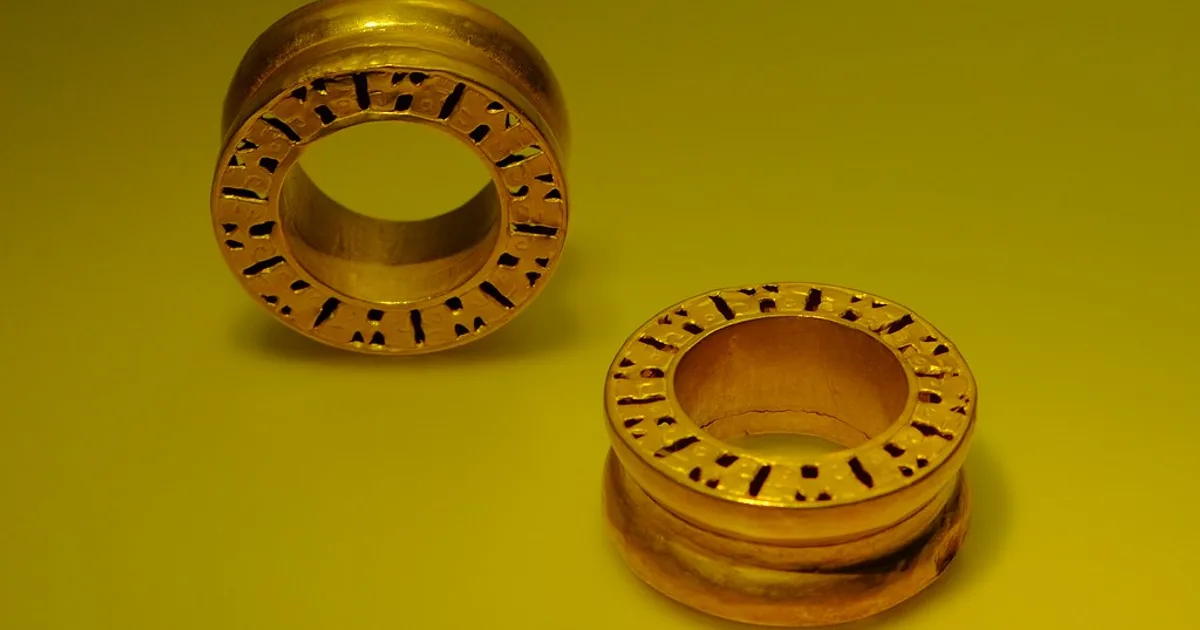
The museum opened in 1939 and moved to its current purpose-built building on Santander Park in 1968. Its darkened galleries use dramatic lighting to showcase delicate goldwork — poporos, tunjos, masks, and ceremonial vessels from the Muisca, Quimbaya, Zenú, Calima, Tairona, and Tolima cultures.
The centrepiece is the Muisca raft (Balsa Muisca), a small gold model of a chief's initiation ceremony on Lake Guatavita — the inspiration for the legend of El Dorado. The museum's spiral layout takes visitors through Colombia's regional cultures floor by floor.
Admission is remarkably affordable, and entry is free on Sundays, making it one of the most accessible world-class museums in Latin America.
2–3 hours highlights route
A focused route through 5 must-see highlights at Museo del Oro without museum fatigue. · 2–3 hours
- 1
Muisca Raft (Balsa Muisca)
📍 El Dorado Gallery, Third Floor
A delicate gold model of a raft with a chief and attendants covered in gold dust — the ceremony that inspired the El Dorado legend.
- 2
Poporo (Lime Container)
📍 Quimbaya Gallery
Elegant gold poporos used in coca-leaf ceremonies, exemplifying the Quimbaya culture's refined metallurgy.
- 3
Zenú Filigree Headdress
📍 Zenú Gallery
An extraordinary openwork gold headdress made with the lost-wax technique, among the finest Zenú goldwork.
- 4
Tunjo Figures
📍 Muisca Gallery
Flat gold votive figures thrown into lakes and caves as offerings, depicting humans, animals, and ritual scenes.
- 5
Tairona Gold Mask
📍 Tairona Gallery
A hammered gold mask from the Sierra Nevada de Santa Marta, representing the Tairona culture's sophisticated goldworking.
Masterworks & must-see highlights
The works that define Museo del Oro — and why they matter.
Muisca Raft (Balsa Muisca)
Muisca goldsmiths · c. 600–1600 CE
📍 El Dorado Gallery, Third Floor
A delicate gold model of a raft with a chief and attendants covered in gold dust — the ceremony that inspired the El Dorado legend.
Poporo (Lime Container)
Quimbaya craftsmen · pre-Columbian
📍 Quimbaya Gallery
Elegant gold poporos used in coca-leaf ceremonies, exemplifying the Quimbaya culture's refined metallurgy.
Zenú Filigree Headdress
Zenú artisans · pre-Columbian
📍 Zenú Gallery
An extraordinary openwork gold headdress made with the lost-wax technique, among the finest Zenú goldwork.
Tunjo Figures
Muisca goldsmiths · pre-Columbian
📍 Muisca Gallery
Flat gold votive figures thrown into lakes and caves as offerings, depicting humans, animals, and ritual scenes.
Tairona Gold Mask
Tairona craftsmen · pre-Columbian
📍 Tairona Gallery
A hammered gold mask from the Sierra Nevada de Santa Marta, representing the Tairona culture's sophisticated goldworking.
Collections & highlights
- • Muisca raft — El Dorado legend
- • Quimbaya goldwork and poporos
- • Zenú filigree and lost-wax casting
- • Calima and Tolima gold objects
- • Tairona masks and pendants
- • Tumbaga alloy techniques
- • Ceramics and stone artefacts
- • Regional culture galleries by floor
Frequently asked questions
What is El Dorado?
El Dorado ('The Golden One') was a legend of a South American king who covered himself in gold dust and offered gold and emeralds to the gods in a lake. The legend, which drove Spanish conquistadors to search the continent, was inspired by the Muisca initiation ceremony depicted by the Muisca raft in the Gold Museum — a small gold figurine showing the ritual on a ceremonial raft.
Is the Gold Museum free?
Admission is very inexpensive (approximately €1.20) and free on Sundays. It is one of the most accessible major museums in South America.
Is it safe to visit central Bogotá?
The area around the Museo del Oro — the La Candelaria and Centro districts — is a major tourist area and generally safe during the day. The museum is a 5-minute walk from the Plaza de Bolívar (Bogotá's main square). Standard urban precautions apply.
How long should I spend at Museo del Oro?
Plan 2–3 hours for the highlights. Add time for temporary exhibitions, the museum shop, and café.
What is Museo del Oro best known for?
The Museo del Oro (Gold Museum) in Bogotá is operated by the Banco de la República and holds the largest collection of pre-Columbian gold objects in the world — over 55,000 pieces of gold and tumbaga (a gold-copper alloy) from the Muisca, Zenú, Quimbaya, Calima, Tairona, and other ancient Colombian civilisations. The museum opened in 1939 and moved to its current purpose-built building in 1968. Key highlights include The Muisca raft — the masterpiece that inspired the legend of El Dorado, 55,000+ pieces of pre-Columbian gold from ancient Colombian civilisations, The Zenú filigree collection — extraordinary goldworking technique from northern Colombia.
How do I get tickets for Museo del Oro?
✓ COP 5,000 standard (approx. €1.20); free on Sundays Tickets are usually available on the day, but booking online saves queue time in peak season. Official site: https://www.banrepcultural.org/bogota/museo-del-oro
Is the museum safe to visit?
Yes — the museum is in central Bogotá with security at the entrance. La Candelaria is best visited during daylight hours.
Are there other Gold Museums in Colombia?
Yes — the Banco de la República operates branch Gold Museums in Cartagena, Santa Marta, and other cities, but Bogotá's is the largest.
You might also like

World Animal Rescue Network
Help save wild tigers
Wild tigers — fewer than 4,000 remain. Donations support anti-poaching patrols, habitat corridors, and community conservation across Asia. Please consider a donation to support this work.
Enjoying our free guides? Support World Museum Guide — optional, and every guide stays free.