National Art Center, Tokyo
Good for: Art Lovers · Architecture enthusiasts · Temporary exhibition fans
2007
Opened
14,000 m²
Exhibition Space
1.5–2 hours
Recommended Visit
Quick answer
National Art Center, Tokyo in Tokyo, Japan — opened in 2007 in Roppongi, the National Art Center has no permanent collection. Open Wednesday to Monday: 10:00 AM – 6:00 PM (Friday and Saturday until 8:00 PM, Closed Tuesdays). Admission: Varies by exhibition (typically ¥1,500-¥2,500). Book timed-entry tickets ahead in peak season. World Museum Guide covers the highlights, getting there, and how long to allow (1.5–2 hours).
Verified 2026-06-30 against official sources.
About National Art Center, Tokyo
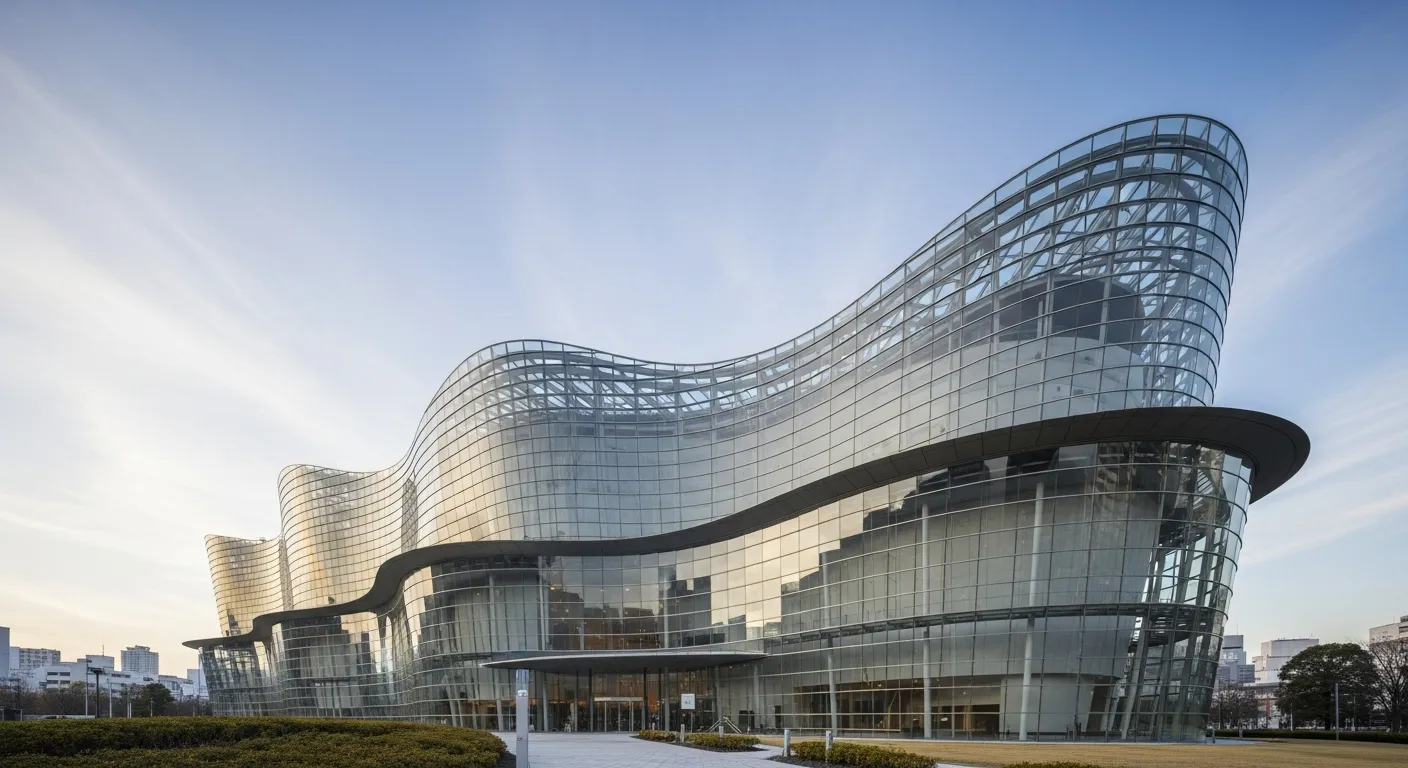
The National Art Center, Tokyo (NACT) opened in 2007 in Roppongi — a striking wave-like glass building designed by Kisho Kurokawa. Unlike conventional museums, NACT has no permanent collection; it hosts rotating exhibitions organised by other institutions.
With 14,000 square metres of exhibition space — among the largest in Japan — NACT presents blockbuster shows of Impressionism, Renaissance art on loan from European museums, Japanese modern art surveys, and contemporary design. The building itself is the constant.
The inverted-cone entrance hall and curved glass façade create a dramatic public atrium. Restaurants and cafés on the upper floors overlook Roppongi. The museum sits in Tokyo's museum district alongside the Mori Art Museum and Suntory Museum of Art.
Check the exhibition schedule before visiting — content changes every few months and quality varies by show.
1.5–2 hours highlights route
A focused route through 4 must-see highlights at National Art Center, Tokyo without museum fatigue. · 1.5–2 hours
- 1
NACT Building
📍 Exterior and atrium
Kurokawa's wave-like glass façade with inverted-cone entrance — one of Tokyo's most distinctive contemporary buildings.
- 2
Rotating Blockbuster Exhibitions
📍 Special exhibition galleries, floors 1–3
Major loan exhibitions from Louvre, Musée d'Orsay, and Japanese institutions — Impressionism, Renaissance, and modern art rotate through the 14,000 m² galleries.
- 3
Japanese Modern Art Surveys
📍 Special exhibition galleries
Periodic surveys of Japanese modern and contemporary art organised in partnership with museums nationwide — often the best temporary shows of yōga and nihonga in Tokyo.
- 4
Atrium and Public Spaces
📍 Ground floor atrium
The soaring inverted-cone atrium — free to enter — with cafés and views up through the curved glass structure.
Masterworks & must-see highlights
The works that define National Art Center, Tokyo — and why they matter.
NACT Building
Kisho Kurokawa · 2007
📍 Exterior and atrium
Kurokawa's wave-like glass façade with inverted-cone entrance — one of Tokyo's most distinctive contemporary buildings. The architecture is the permanent 'collection'.
Rotating Blockbuster Exhibitions
Various · ongoing
📍 Special exhibition galleries, floors 1–3
Major loan exhibitions from Louvre, Musée d'Orsay, and Japanese institutions — Impressionism, Renaissance, and modern art rotate through the 14,000 m² galleries.
Japanese Modern Art Surveys
Various · periodic
📍 Special exhibition galleries
Periodic surveys of Japanese modern and contemporary art organised in partnership with museums nationwide — often the best temporary shows of yōga and nihonga in Tokyo.
Atrium and Public Spaces
Kisho Kurokawa · 2007
📍 Ground floor atrium
The soaring inverted-cone atrium — free to enter — with cafés and views up through the curved glass structure. A popular Roppongi meeting point.
Collections & highlights
- • No permanent collection — rotating exhibitions only
- • Blockbuster loan shows from European museums
- • Japanese modern and contemporary art surveys
- • Design and architecture exhibitions
- • Kisho Kurokawa building — wave-like glass façade
- • 14,000 m² of exhibition space
- • Roppongi art district location
Frequently asked questions
Is there a permanent collection?
No — the museum focuses on temporary exhibitions and academic salons.
Is the lobby free?
Yes, the soaring lobby and restaurants are free to visit.
How long should I spend at National Art Center, Tokyo?
Plan 2–3 hours for the highlights. Add time for temporary exhibitions, the museum shop, and café.
What is National Art Center, Tokyo best known for?
Opened in 2007 in Roppongi, the National Art Center has no permanent collection. Instead it programmes the largest exhibition space in Japan — fourteen thousand square metres across twelve halls. Key highlights include Kisho Kurokawa wave-front facade, Annual major touring exhibitions, Inverted-cone Brasserie Paul Bocuse.
How do I get tickets for National Art Center, Tokyo?
Varies by exhibition (typically ¥1,500-¥2,500) Tickets are usually available on the day, but booking online saves queue time in peak season. Official site: https://www.nact.jp/english/
Does NACT have a permanent collection?
No — the National Art Center is an exhibition-only venue with no permanent collection. Every visit depends on the current temporary exhibition. Check nact.jp before travelling.
Is the building worth visiting without an exhibition ticket?
The atrium and public spaces are free to enter and worth seeing — Kurokawa's inverted-cone hall and glass façade are architectural highlights. Cafés on upper floors are open to the public.
How does NACT compare to MOMAT?
MOMAT in Kitanomaru Park has a permanent collection of Japanese modern art. NACT has no permanent collection but hosts larger temporary exhibitions. Both are essential — check what is on at NACT before planning your visit.
World Animal Rescue Network
Protect Africa's lions
African lions have lost half their population in twenty-five years. Donations fund conflict mitigation, snare removal, and cub rehabilitation. Please consider a donation to support this work.
Enjoying our free guides? Support World Museum Guide — optional, and every guide stays free.