National Museum of African American History and Culture
Washington D.C. · United States · Founded 2016

Quick answer
National Museum of African American History and Culture in Washington D.C., United States — the Smithsonian's newest museum on the National Mall — a landmark institution documenting African American life, history, and culture from slavery through the civil rights movement to the present. Open daily, 10:00 AM – 5:30 PM. Admission: free admission (timed entry pass required). Allow 3–4 hours and book a timed ticket ahead.
Visitor information last reviewed 30 June 2026. Check the official museum site for current details.
National Museum of African American History and Culture at a glance: hours, tickets and time needed
| Opening hours | Daily: 10:00 AM – 5:30 PM |
|---|---|
| Admission | Free admission (timed entry pass required) |
| Free access | Free like all Smithsonian museums · Timed-entry passes required |
| Booking | Book a timed ticket in advance — peak slots sell out |
| Time needed | 3–4 hours |
| Best time to visit | Weekday mornings at 10:00 AM opening — History Galleries are quietest before noon. |
| Getting there | Metro: Smithsonian station (Blue, Orange, Silver lines) — 10-minute walk along the Mall, or Federal Triangle station as an alternative |
| Address | 1400 Constitution Ave NW, Washington, DC 20560, United States |
| Official website | nmaahc.si.edu |
Checked 2026-06-30 against the official website. Prices and hours change — confirm before you travel.
What is National Museum of African American History and Culture known for?
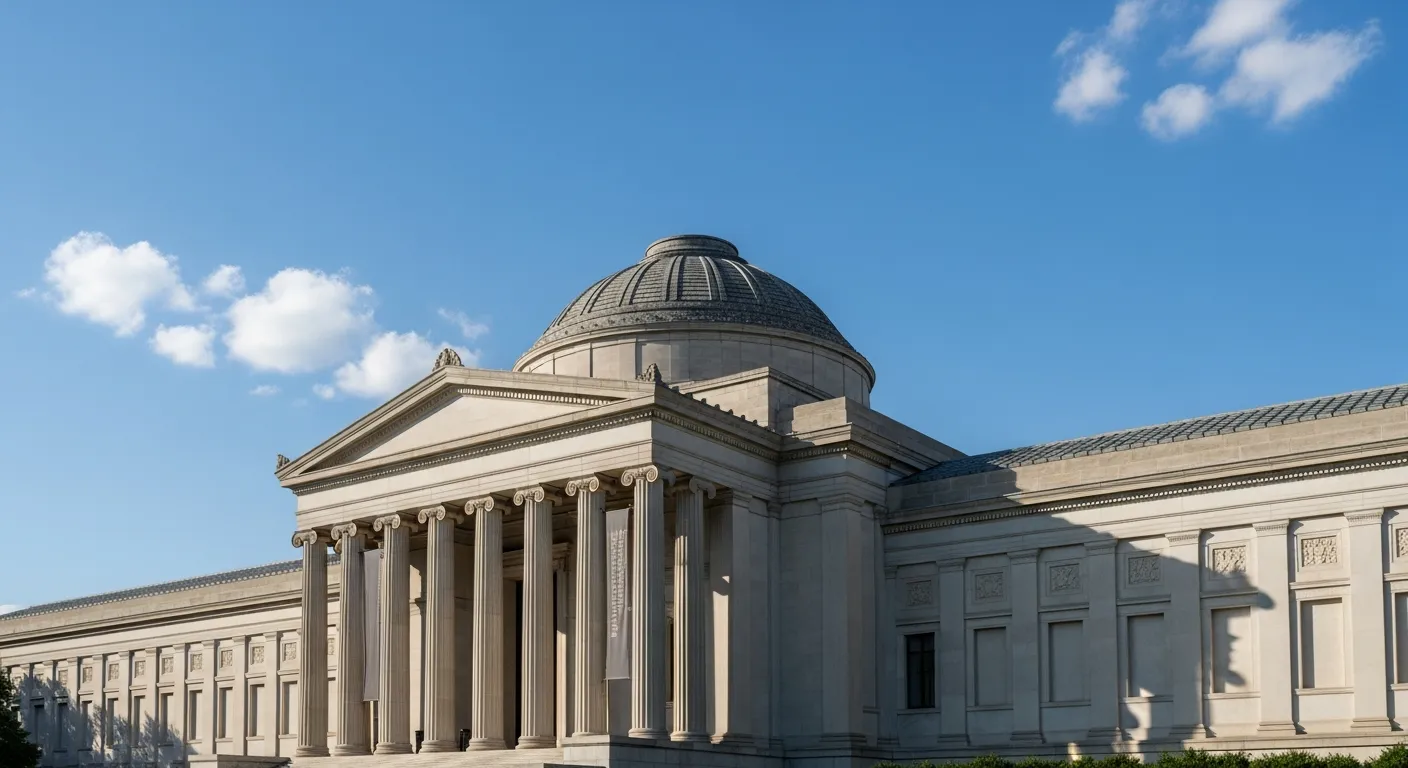
The National Museum of African American History and Culture opened on the National Mall in Washington, D.C. on September 24, 2016 — the newest Smithsonian institution and the first national museum devoted exclusively to African American life, history, and culture. The building, designed by architect David Adjaye with Philip Freelon, is wrapped in a bronze-colored corona inspired by Yoruba caryatids and the ironwork of enslaved craftspeople in the American South.
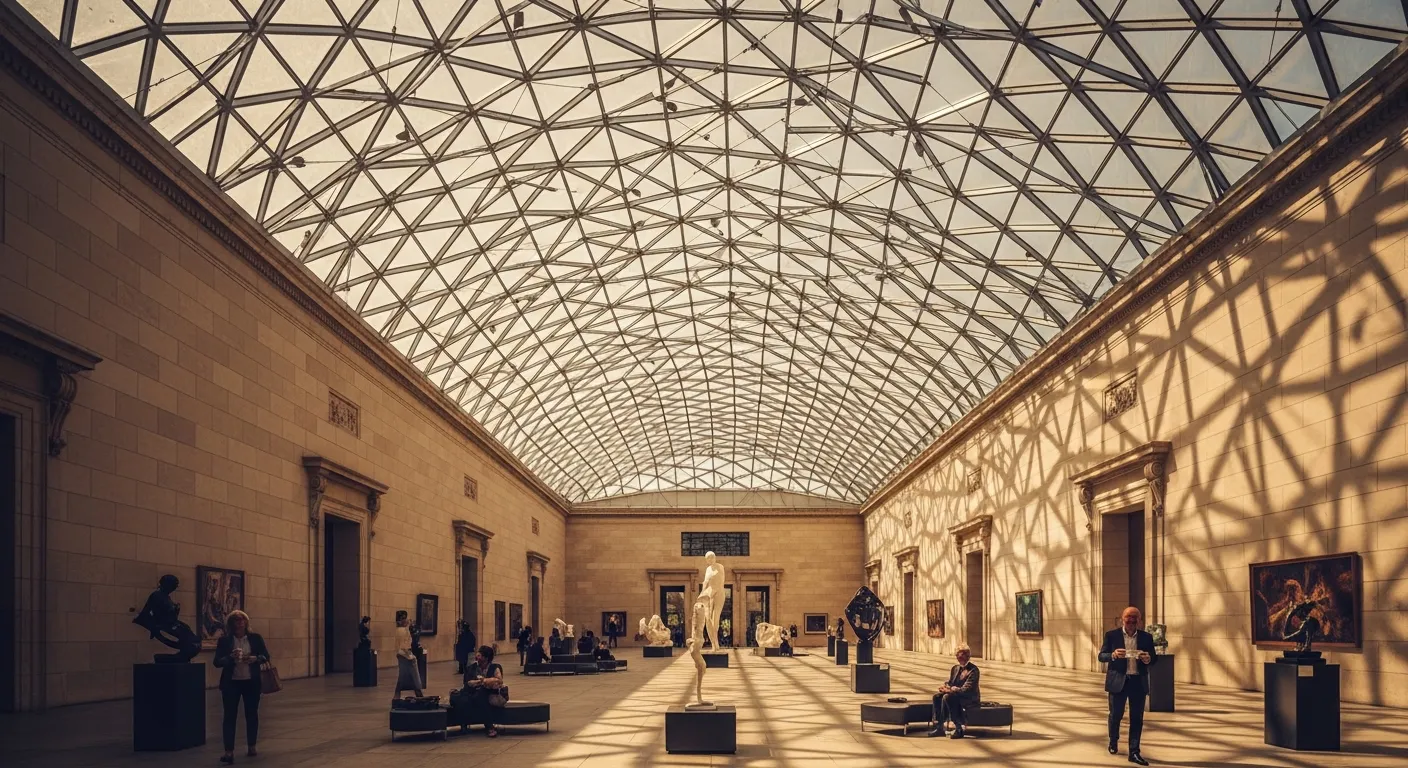
The museum's exhibitions descend three floors below ground — a symbolic journey from darkness to light — beginning with the transatlantic slave trade and progressing through slavery, Reconstruction, segregation, the civil rights movement, and contemporary African American achievement. Above ground, Culture Galleries celebrate music, sports, fashion, food, and the arts, while the Community Galleries explore regional and institutional histories.
Iconic artifacts anchor the narrative: Emmett Till's original casket, a slave cabin from Edisto Island, South Carolina, Chuck Berry's cherry-red Cadillac, Harriet Tubman's hymnal, and the Greensboro lunch counter from the 1960 sit-in. The Contemplative Court on the concourse level offers a space for reflection beneath a circular waterfall.
Free timed-entry passes are required and among the most competitive reservations in Washington — the museum has welcomed more than 10 million visitors since opening. It stands at 1400 Constitution Avenue NW, between the Washington Monument and the National Museum of American History.
Best for: History Enthusiasts · Families · First-timers
How long do you need at National Museum of African American History and Culture?
Allow 3–4 hours. A focused route through 4 must-see highlights at National Museum of African American History and Culture without museum fatigue. Follow the stops in order:
- 1
Emmett Till's Casket
📍 Defending Freedom, Defining Freedom, C3 Level
The original glass-topped casket in which 14-year-old Emmett Till was displayed after his lynching in Mississippi — his mother's decision to hold an open-casket funeral galvanized the civil rights movement.
- 2
Chuck Berry's Cadillac
📍 Musical Crossroads, L4 Level
Berry's cherry-red Cadillac Eldorado convertible, on which he performed his famous 'duck walk' during concerts.
- 3
Harriet Tubman's Hymnal
📍 Slavery and Freedom, C3 Level
Tubman's personal hymnal and shawl, given to her by Queen Victoria.
- 4
Greensboro Lunch Counter
📍 Defending Freedom, Defining Freedom, C3 Level
A section of the Woolworth's lunch counter from Greensboro, North Carolina, where four Black college students staged a sit-in on February 1, 1960 — launching a nationwide protest movement against segregated public accommodations.
What are the must-see works at National Museum of African American History and Culture?
4 highlights that define the collection: Emmett Till's Casket, Chuck Berry's Cadillac, Harriet Tubman's Hymnal and more.
Emmett Till's Casket
Historical artifact · 1955
📍 Defending Freedom, Defining Freedom, C3 Level
The original glass-topped casket in which 14-year-old Emmett Till was displayed after his lynching in Mississippi — his mother's decision to hold an open-casket funeral galvanized the civil rights movement. The casket was donated after Till's reburial.
Chuck Berry's Cadillac
Chuck Berry · 1973 Cadillac Eldorado
📍 Musical Crossroads, L4 Level
Berry's cherry-red Cadillac Eldorado convertible, on which he performed his famous 'duck walk' during concerts. A centerpiece of the museum's music gallery tracing African American contributions from spirituals to hip-hop.
Harriet Tubman's Hymnal
Harriet Tubman · c. 1876
📍 Slavery and Freedom, C3 Level
Tubman's personal hymnal and shawl, given to her by Queen Victoria. The hymnal contains handwritten annotations and represents Tubman's deep faith, which she credited for guiding her on thirteen missions to liberate approximately 70 enslaved people.
Greensboro Lunch Counter
F.W. Woolworth · 1960
📍 Defending Freedom, Defining Freedom, C3 Level
A section of the Woolworth's lunch counter from Greensboro, North Carolina, where four Black college students staged a sit-in on February 1, 1960 — launching a nationwide protest movement against segregated public accommodations.
Collections and highlights
- • History Galleries — 600 years from slavery to present
- • Musical Crossroads — jazz, blues, gospel, hip-hop
- • Visual Arts Gallery — painting, sculpture, photography
- • Cultural Expressions — food, fashion, language
- • Sports Gallery — Jesse Owens, Muhammad Ali, Serena Williams
- • Military History — African Americans in every American war
- • Contemplative Court — waterfall and reflection space
- • Community Galleries — regional and institutional stories
Tips for visiting National Museum of African American History and Culture
- 1.
Best time to visit
Weekday mornings at 10:00 AM opening — History Galleries are quietest before noon. Avoid March–June school trip season if possible.
- 2.
Crowds & busy periods
Among the most visited Smithsonian museums. The below-ground History Galleries narrow into tight spaces — go directly to C3 upon entry before exploring upper floors.
- 3.
Tickets & booking
Free timed-entry passes at nmaahc.si.edu — release on first Wednesday of each month for dates three months ahead. Same-day walk-up passes at 1:00 PM on weekdays only, not guaranteed.
- 4.
Food & cafés nearby
Sweet Home Café inside the museum serves Southern and African diaspora cuisine — excellent but busy at lunch. No outside food permitted in galleries.
- 5.
Accessibility
Fully accessible with elevators connecting all levels. The History Galleries' emotional content includes graphic imagery of slavery and lynching — parental guidance recommended.
How do you get to National Museum of African American History and Culture?
- metro Smithsonian station (Blue, Orange, Silver lines) — 10-minute walk along the Mall, or Federal Triangle station as an alternative
- bus DC Circulator National Mall route stops at Madison Drive near the museum entrance on Constitution Avenue
- walk From the Washington Monument — 5-minute walk east along Constitution Avenue; from the White House — 15 minutes south through the Ellipse
Address: 1400 Constitution Ave NW, Washington, DC 20560, United States
National Museum of African American History and Culture: frequently asked questions
Do you need tickets for the African American History Museum?
Yes — free timed-entry passes are required and should be booked in advance at nmaahc.si.edu. Walk-up passes are occasionally available on weekday mornings but are not guaranteed.
How long does the NMAAHC take to visit?
Allow at least 3 hours. The History Galleries alone descend three floors below ground and cover 600 years — many visitors spend a full day.
How long should I spend at National Museum of African American History and Culture?
Plan 3–4 hours for the highlights of National Museum of African American History and Culture. Our 4-stop route — Emmett Till's Casket, Chuck Berry's Cadillac, Harriet Tubman's Hymnal and more — is designed to fit that time. Add extra time for temporary exhibitions, the shop and the café.
What is National Museum of African American History and Culture best known for?
The Smithsonian's newest museum on the National Mall — a landmark institution documenting African American life, history, and culture from slavery through the civil rights movement to the present. Key highlights include History Galleries — 600 years from slavery to present, Musical Crossroads — jazz, blues, gospel, hip-hop, Visual Arts Gallery — painting, sculpture, photography.
How do I get tickets for National Museum of African American History and Culture?
Free admission (timed entry pass required). Book a free timed ticket on the official website to guarantee entry at busy times. Official site: https://nmaahc.si.edu/
Why do the NMAAHC History Galleries go underground?
Architect David Adjaye designed the below-ground galleries as a deliberate metaphor — visitors descend into darkness through the history of slavery and racial oppression before ascending to ground level and above-ground galleries celebrating African American culture and achievement. The journey takes roughly 90 minutes minimum and is emotionally intense; many visitors need time in the Contemplative Court afterward.
What is the Oprah Winfrey Theater at NMAAHC?
The 350-seat Oprah Winfrey Theater on the museum's concourse level hosts performances, film screenings, and public programs. Winfrey donated $21 million toward the museum's $540 million construction cost — the largest single gift in Smithsonian history at the time. Check nmaahc.si.edu for current programming; some events require separate registration.
Can you visit NMAAHC without a timed pass?
Walk-up entry without a pass is extremely limited. The museum releases a small number of same-day passes at 1:00 PM on weekdays at the Constitution Avenue entrance — arrive by 12:30 PM and expect long lines. Weekends and holidays require advance passes booked months ahead. There is no standby entry on Saturdays or Sundays.
Is National Museum of African American History and Culture open on Mondays?
Yes — National Museum of African American History and Culture is open every day of the week, including Mondays and Sundays: 10:00 AM – 5:30 PM. Check the official website for holiday hours.
What are National Museum of African American History and Culture's opening hours?
National Museum of African American History and Culture is open daily, 10:00 AM – 5:30 PM. Hours can change for holidays and events, so check the official website before you go.
Is National Museum of African American History and Culture free to visit?
Yes — free admission (timed entry pass required). Free like all Smithsonian museums; Timed-entry passes required.