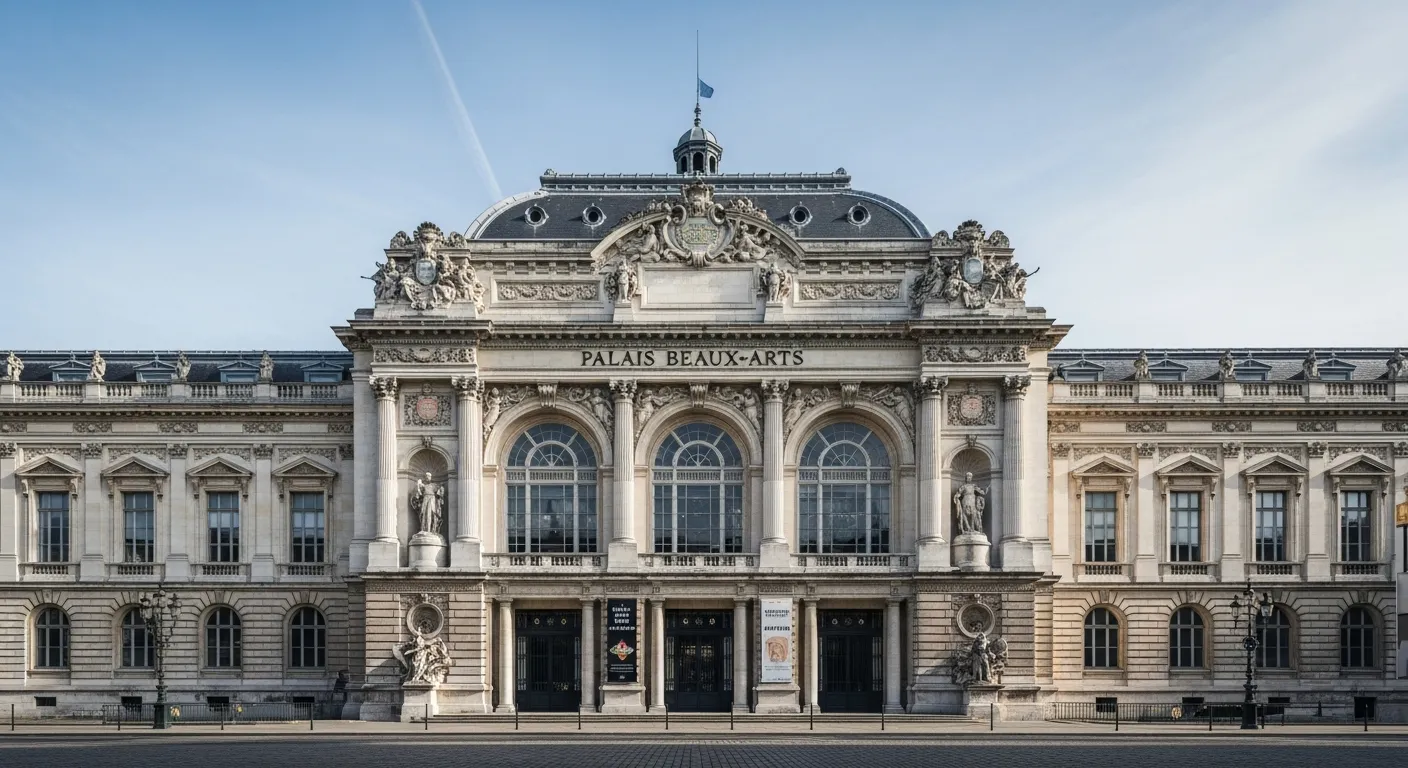
Palais des Beaux-Arts de Lille
Good for: Art Lovers · History Enthusiasts · Rainy-day visits
1809
Founded
72,000+
Works of Art
2–3 hours
Recommended Visit
Quick answer
Palais des Beaux-Arts de Lille in Lille, France — created by Napoleon's 1801 decree to bring great art to the regions, the Palais des Beaux-Arts opened in Lille in 1809. Open Wednesday to Monday: 10:00 AM – 6:00 PM (Closed Tuesdays). Admission: €7 standard admission. World Museum Guide covers the highlights, getting there, and how long to allow (2–3 hours).
Verified 2026-06-30 against official sources.
About Palais des Beaux-Arts de Lille
Created by Napoleon's 1801 decree to bring great art to the regions, the Palais des Beaux-Arts opened in Lille in 1809. Its current Belle Époque building dates from 1892 and underwent a major renovation in the 1990s.
One of the largest fine-art museums in France — often ranked second only to the Louvre for its painting collection — it holds Flemish, Dutch, French, and Italian masterworks alongside a unique series of seventeenth-century relief plans of fortified cities.
The collection spans from medieval and Renaissance sculpture through Rubens, Goya, and Delacroix to nineteenth-century French painting. Lille's position on the crossroads of Flemish and French culture gives the museum a distinctive northern character.
Lille is just over an hour from Paris by TGV, making the museum an easy day trip. The museum sits on Place de la République in the heart of the city.
2–3 hours highlights route
A focused route through 4 must-see highlights at Palais des Beaux-Arts de Lille without museum fatigue. · 2–3 hours
- 1
The Descent from the Cross
📍 Rubens Gallery
A monumental altarpiece showing Christ lowered from the cross in a swirl of grief and movement.
- 2
Two Old Women Eating
📍 Nineteenth-century Gallery
A dark, unsettling scene from Goya's Black Paintings period — two elderly women hunched over a meal in a shadowy interior.
- 3
Medea
📍 Romantic Gallery
Medea about to murder her children in a frenzy of vengeance.
- 4
Relief Plan of Lille
📍 Relief Plans Gallery
A detailed scale model of Lille's fortifications — one of a unique series of relief plans of fortified cities, originally used as military planning tools by Louis XIV's engineers.
Masterworks & must-see highlights
The works that define Palais des Beaux-Arts de Lille — and why they matter.
The Descent from the Cross
Peter Paul Rubens · c. 1616–1617
📍 Rubens Gallery
A monumental altarpiece showing Christ lowered from the cross in a swirl of grief and movement. One of Rubens's most powerful religious compositions, acquired from a Lille church in 1794.
Two Old Women Eating
Francisco de Goya · c. 1819–1823
📍 Nineteenth-century Gallery
A dark, unsettling scene from Goya's Black Paintings period — two elderly women hunched over a meal in a shadowy interior. A masterpiece of psychological intensity.
Medea
Eugène Delacroix · 1838
📍 Romantic Gallery
Medea about to murder her children in a frenzy of vengeance. Delacroix's dramatic treatment of classical tragedy, with swirling brushwork and intense colour.
Relief Plan of Lille
Military engineers · 1749
📍 Relief Plans Gallery
A detailed scale model of Lille's fortifications — one of a unique series of relief plans of fortified cities, originally used as military planning tools by Louis XIV's engineers.
Collections & highlights
- • Flemish and Dutch Golden Age painting
- • French Romantic and Realist painting
- • Seventeenth-century relief plans of fortified cities
- • Medieval and Renaissance sculpture
- • Goya, Delacroix, and Rubens masterworks
- • Egyptian antiquities and classical archaeology
Frequently asked questions
What are the relief plans?
A unique series of seventeenth and eighteenth-century scale models of fortified cities, originally military planning tools.
Is Lille easy to reach from Paris?
Yes, it is just over an hour by TGV from Paris.
How long should I spend at Palais des Beaux-Arts de Lille?
Plan 2–3 hours for the highlights. Add time for temporary exhibitions, the museum shop, and café.
What is Palais des Beaux-Arts de Lille best known for?
Created by Napoleon's 1801 decree to bring great art to the regions, the Palais des Beaux-Arts opened in Lille in 1809. Its current Belle Époque building dates from 1892 and underwent a major renovation in the 1990s. Key highlights include Two Old Women Eating by Goya, Medea by Delacroix, Descent from the Cross by Rubens.
How do I get tickets for Palais des Beaux-Arts de Lille?
€7 standard admission Tickets are usually available on the day, but booking online saves queue time in peak season. Official site: https://www.pba.lille.fr/en
Is the museum worth a day trip from Paris?
Absolutely — the TGV takes just over an hour, and the collection rivals many Paris museums. Combine with a walk through Vieux Lille for a full day.
Are there combined tickets with other Lille museums?
Check the Pass Lille Métropole for combined entry to multiple museums and attractions in the metropolitan area.
World Animal Rescue Network
Save slow lorises
Slow lorises are stolen from the wild for the illegal pet trade. Donations fund confiscation, rehabilitation, and release back to the forest. Please consider a donation to support this work.
Enjoying our free guides? Support World Museum Guide — optional, and every guide stays free.