Deep Time: Fossils and the Future
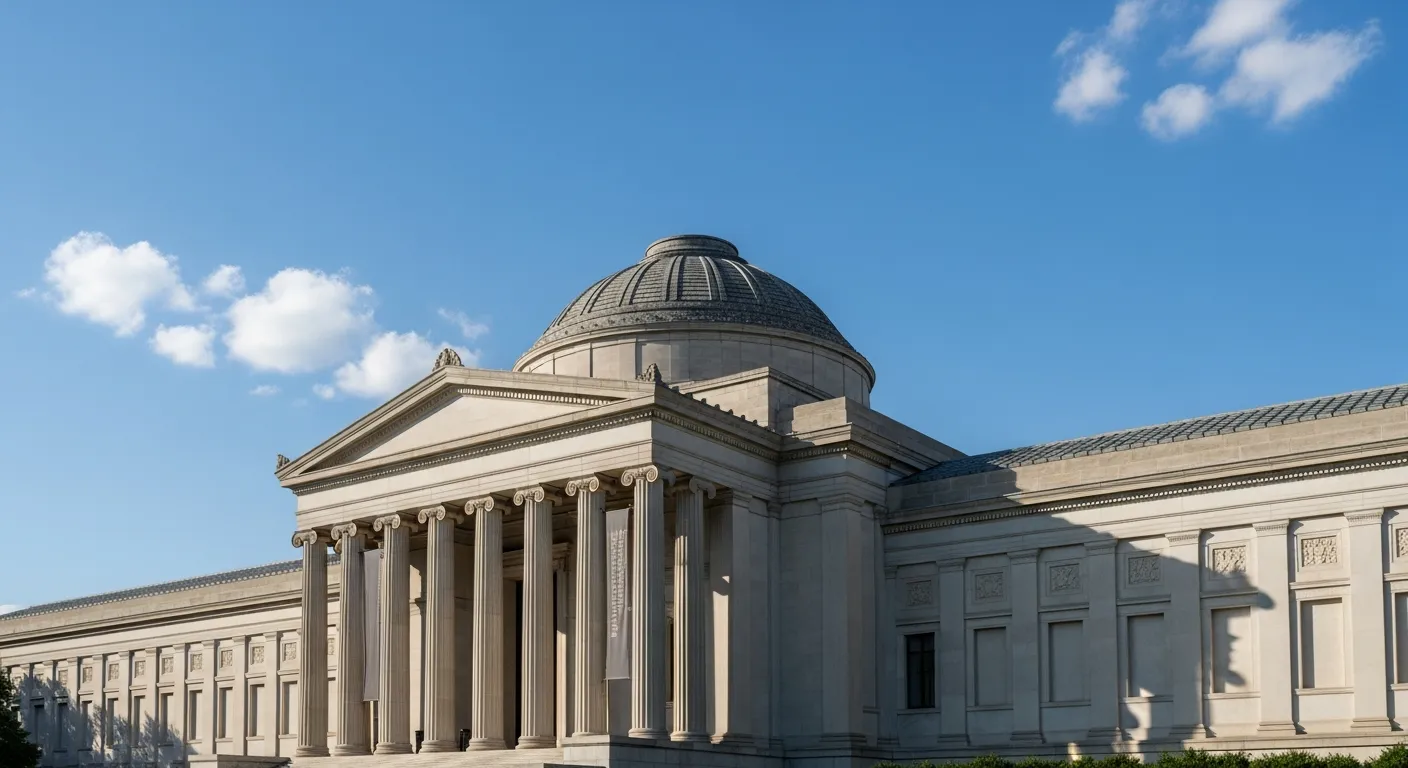
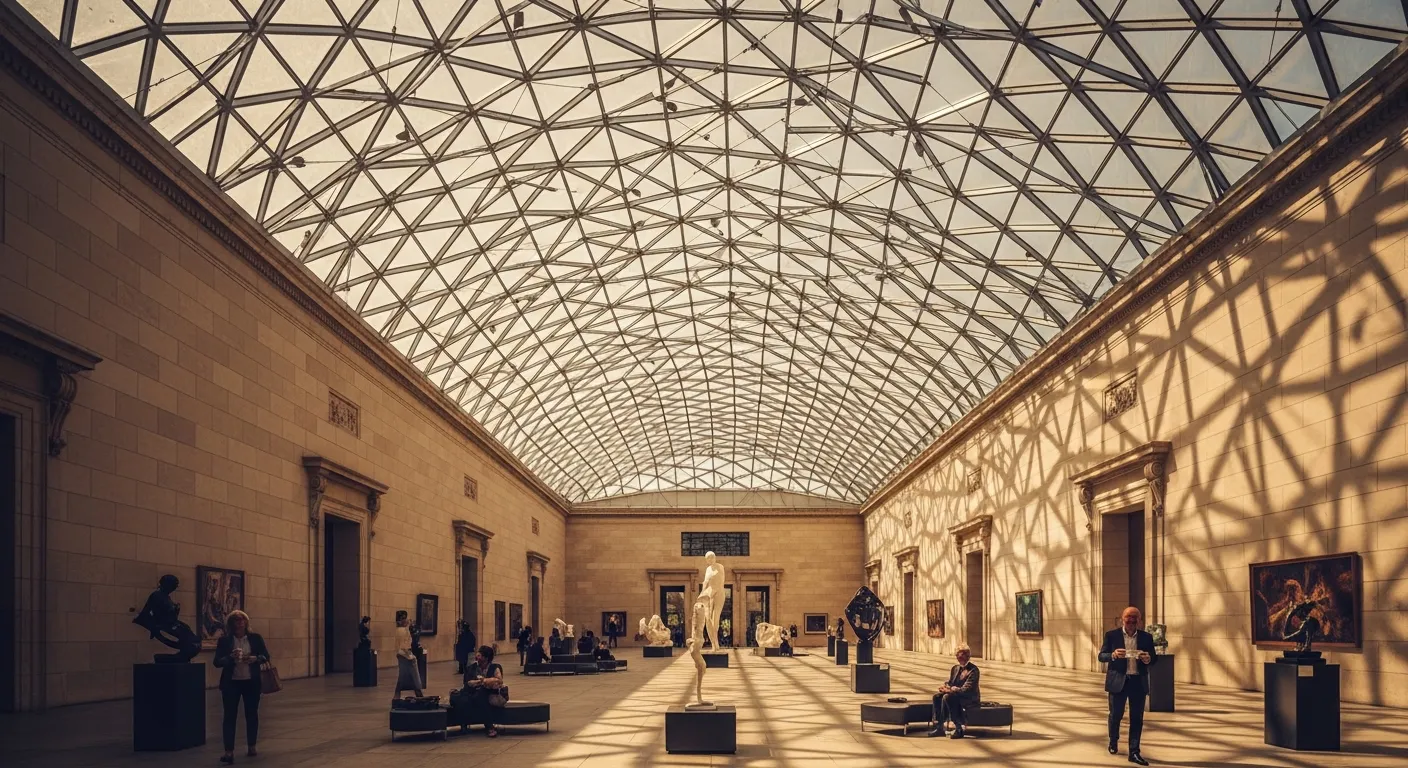
Permanent — updated June 2026The David H. Koch Hall of Fossils with new interactive displays on mass extinction and climate science.
240 museums across 48 countries

Washington D.C. · United States · Founded 1910
Good for: Families · First-timers · History Enthusiasts
1910
Founded
145 million+
Specimens
2–3 hours
Recommended Visit
Smithsonian National Museum of Natural History in Washington D.C., United States — opened in 1910 on the National Mall, the Smithsonian's National Museum of Natural History is one of the most visited museums in the world, attracting over 4 million visitors a year. Open Daily: 10:00 AM – 5:30 PM (closed December 25). Admission: ✓ Free admission. World Museum Guide covers the highlights, getting there, and how long to allow (2–3 hours).
Verified 2026-06-30 against official sources.
The Smithsonian National Museum of Natural History on the National Mall holds over 145 million specimens — one of the world's great natural history collections, and one of the most visited museums on Earth.
The Hope Diamond, a 45.52-carat blue diamond, is the museum's most famous single object. The dinosaur hall, Ocean Hall, and Butterfly Pavilion draw millions of visitors annually.
Free admission and central location on the National Mall between the American History museum and the Capitol make it a staple of every Washington visit.
Behind the scenes, the museum operates one of the world's largest research programmes in anthropology, botany, entomology, and paleontology.
Updated June 2026. Confirm dates and tickets on the official Smithsonian National Museum of Natural History website.
The David H. Koch Hall of Fossils with new interactive displays on mass extinction and climate science.
The Smithsonian National Museum of Natural History on Constitution Avenue welcomes millions annually with free admission, anchoring the National Mall between the Capitol and Washington Monument. Security screening queues form at main entrances year-round, longest during cherry blossom season and school groups in spring. The Hope Diamond in the minerals gallery draws constant crowds rivaling dinosaur halls. Constitution Avenue location places the museum between West Potomac Park and the National Mall Smithsonian Metro stop. Q?rius discovery center on ground floor requires free timed passes distributed each morning at the desk. Butterfly Pavilion seasonal exhibit charges separate fee and releases live specimens in tropical humidity. Constitution Avenue location on the National Mall places the museum between the Capitol and Washington Monument with free Smithsonian admission.
Smithsonian museums share no central timed ticket system except select special exhibitions requiring free passes. Metro Smithsonian station on Blue, Orange, and Silver lines delivers visitors directly to Mall entrances. Plan three hours for minerals, fossils, and Ocean Hall, or ninety minutes for Hope Diamond and Elephant Hall highlights. Second floor rotunda often hosts temporary exhibitions requiring free passes during peak tourist seasons. Smithsonian Castle visitor center across the Mall provides maps for all Smithsonian institutions. NMAAHC nearby requires separate free timed passes and pairs well with morning natural history visit. Hope Diamond in Harry Winston Gallery draws constant crowds to its blue 45.52-carat gem displayed in rotating motorized case.
Renovation projects periodically close Fossil Hall wings; check current gallery status before visiting. Food courts and cafés inside reduce need to exit during full-day Mall itineraries. All Smithsonian museums close daily except December 25. Constitution Avenue location places the museum between West Potomac Park and the National Mall Smithsonian Metro stop. Q?rius discovery center on ground floor requires free timed passes distributed each morning at the desk. Butterfly Pavilion seasonal exhibit charges separate fee and releases live specimens in tropical humidity. Second floor rotunda often hosts temporary exhibitions requiring free passes during peak tourist seasons. Ocean Hall opened in 2008 with giant squid model and living coral reef aquarium explaining marine biodiversity policy relevance today.
Behind public halls, Smithsonian scientists maintain one of the world's largest natural history collections exceeding 145 million specimens. Fossil halls present real dinosaur skeletons including T. rex and Triceratops mounts updated in recent reinstallation. Ocean Hall's giant squid model and coral reef ecosystem displays explain marine biodiversity policy relevance. Smithsonian Castle visitor center across the Mall provides maps for all Smithsonian institutions. NMAAHC nearby requires separate free timed passes and pairs well with morning natural history visit. David H. Koch Hall of Fossils Deep Time narrative integrates climate change throughout geological timeline from Cambrian explosion forward.
Hall of Human Origins integrates genomic science with fossil casts tracing six million years of hominin evolution. African Voices and Korean heritage cultural exhibits contextualize human diversity beyond biological framing. Q?rius hands-on discovery center engages school groups with collection objects under staff supervision. Q?rius discovery center on ground floor requires free timed passes distributed each morning for hands-on specimen examination sessions.
The Hope Diamond's phosphorescence glow after ultraviolet exposure delights repeat visitors during docent demonstrations. Temporary exhibitions on second floor rotunda often require free timed passes distributed morning of visit. Smithsonian membership supports research expeditions though general admission remains free. Second floor rotunda temporary exhibitions often require free timed passes during peak tourist seasons despite general admission remaining free.
Smithsonian museums are free but NMNH draws the longest Mall queues — enter via Constitution Avenue side door when possible to bypass school groups at the main Madison Drive entrance. Hope Diamond gallery flows one-way during peak hours; mid-afternoon weekday visits shorten waits.
Pair with National Gallery of Art or NMAAHC on the same Mall walk — both free with timed passes required only for NMAAHC. Air and Space Museum reopened east wing with planetarium shows booked separately online.
Ocean Hall and Sant Ocean Hall on the ground floor anchor marine biology displays with Phoenix the whale suspended overhead. Q?rius hands-on discovery room engages children with real specimens — reserve timed entry during school holiday weeks when capacity fills by noon.
Hall of Human Origins presents Lucy and other hominin fossils with interactive morphological comparisons — allow forty-five minutes if evolutionary biology interests you beyond the Hope Diamond crowds on the second floor.
Butterfly Pavilion on the second floor requires separate timed ticket March through September — book when reserving general admission during peak tourist season on the National Mall.
David H. Koch Hall of Fossils presents Deep Time narrative integrating climate science with dinosaur mounts updated in the 2019 renovation — T. rex facing Triceratops in confrontation pose anchors the Cretaceous section. Allow ninety minutes if paleontology is a primary interest beyond the Hope Diamond minerals gallery crowds.
Mammals hall connects evolutionary lineage from dinosaurs to modern biodiversity with taxidermy dioramas Theodore Roosevelt would recognise from his 1910s conservation presidency. Last American bison and African elephant displays contextualise extinction risk with contemporary conservation messaging.
Focused routes for Smithsonian National Museum of Natural History — pick one wing per visit to avoid museum fatigue.
The Harry Winston Gallery presents the Hope Diamond alongside other legendary gemstones in dim lighting emphasizing carat and cut. Surrounding mineral galleries explain crystallography and mining geography. Hope Diamond phosphorescence glow after ultraviolet exposure delights repeat visitors during occasional docent demonstrations in the gem gallery.
Opened in 2008, Ocean Hall spans prehistoric marine reptiles to modern coral reef conservation with a giant squid model as centerpiece. Interactive tide pool and submarine displays engage families. Phoenix model whale in Ocean Hall diving posture complements Hope Diamond as the second iconic large-scale centerpiece object in the museum.
The David H. Koch Hall of Fossils presents Deep Time narrative from Cambrian explosion through ice age mammals with T. rex facing Triceratops dramatically. Recent renovation integrated climate change throughout geological timeline. T. rex facing Triceratops mount in Fossil Hall delivers dramatic Cretaceous encounter narrative updated during recent hall renovation.
A focused route through 4 must-see highlights at Smithsonian National Museum of Natural History without museum fatigue. · 2–3 hours
📍 Geology, Gems, and Minerals Hall
A 45.52-carat deep blue diamond with a legendary curse — donated by Harry Winston in 1958 and the most visited object in the museum.
📍 David H. Koch Hall of Fossils
A dramatic T.
📍 Rotunda, main entrance
An enormous bull elephant that has greeted visitors in the rotunda since 1959 — one of the most photographed objects in Washington.
📍 Ocean Hall
A 45-foot right whale skeleton suspended in the Sant Ocean Hall — part of a dramatic two-story display of marine life and ocean science.
The works that define Smithsonian National Museum of Natural History — and why they matter.
Nature · c. 1.1 billion years old
📍 Geology, Gems, and Minerals Hall
A 45.52-carat deep blue diamond with a legendary curse — donated by Harry Winston in 1958 and the most visited object in the museum.
Nature · Late Cretaceous
📍 David H. Koch Hall of Fossils
A dramatic T. rex skeleton posed in attack mode — the centrepiece of the renovated fossil hall, one of the finest dinosaur displays in any museum.
Taxidermy · 1955
📍 Rotunda, main entrance
An enormous bull elephant that has greeted visitors in the rotunda since 1959 — one of the most photographed objects in Washington.
Nature · North Atlantic right whale
📍 Ocean Hall
A 45-foot right whale skeleton suspended in the Sant Ocean Hall — part of a dramatic two-story display of marine life and ocean science.
Yes — like all Smithsonian museums, admission is entirely free and no booking is required for the permanent galleries.
A thorough visit to the highlights takes 3–4 hours. Plan a full day if you want to explore more deeply.
Plan 2–3 hours for the highlights. Emotionally intense history museums reward unhurried visits — allow longer if reading extensively.
Opened in 1910 on the National Mall, the Smithsonian's National Museum of Natural History is one of the most visited museums in the world, attracting over 4 million visitors a year. Its collection of 145 million specimens spans geology, mineralogy, biology, anthropology, and paleontology. Key highlights include Hope Diamond — 45.52-carat blue diamond, David H. Koch Hall of Fossils: Deep Time, Sant Ocean Hall — the largest ocean exhibition in the world.
✓ Free admission Tickets are usually available on the day, but booking online saves queue time in peak season. Official site: https://naturalhistory.si.edu/
Yes — the 45.52-carat blue diamond is genuine, on permanent display in the Gems gallery. It is removed briefly for cleaning a few times per year.
Yes for families — it is a live tropical butterfly garden where butterflies land on visitors. Timed tickets prevent overcrowding.
Natural History and Air and Space are the two most popular with children. Natural History has dinosaurs, the Hope Diamond, and the Butterfly Pavilion.
World Animal Rescue Network
Sea turtles need safe nesting beaches and hatchling protection from pollution and illegal trade. Donations fund patrols, rescue, and release. Please consider a donation to support this work.
Enjoying our free guides? Support World Museum Guide — optional, and every guide stays free.