
Topkapi Palace Museum
Istanbul · Turkey · Founded 1924
Good for: History Enthusiasts · First-timers · Art Lovers
1453
Palace Founded
70 ha
Complex Area
3–4 hours
Recommended Visit
Quick answer
Topkapi Palace Museum in Istanbul, Turkey — topkapi Palace was the administrative heart of the Ottoman Empire for nearly 400 years, home to the sultans and their court from the reign of Mehmed II (who built it after conquering Constantinople in 1453) until the 1850s. Open Wednesday–Monday: 9:00 AM – 5:45 PM (October–April); 9:00 AM – 6:45 PM (April–October); Closed Tuesdays. Admission: Approximately €17 palace admission; Harem requires a separate additional ticket (~€8). Book timed-entry tickets ahead in peak season. World Museum Guide covers the highlights, getting there, and how long to allow (3–4 hours).
Verified 2026-06-30 against official sources.
About Topkapi Palace Museum
Topkapi Palace served as the administrative heart of the Ottoman Empire for nearly 400 years — from Mehmed II's conquest of Constantinople in 1453 until the sultans moved to Dolmabahçe Palace in the 1850s. The sprawling complex of courtyards, pavilions, and gardens covers 70 hectares on a promontory overlooking the confluence of the Bosphorus, the Golden Horn, and the Sea of Marmara.
Converted into a museum in 1924 by Mustafa Kemal Atatürk, Topkapi receives three to four million visitors annually. The Imperial Treasury holds the Topkapi Dagger (made famous by the 1964 heist film) and the 86-carat Spoonmaker's Diamond, alongside emerald-encrusted ceremonial objects of staggering opulence.
The Harem — a labyrinthine complex of 300 rooms where the sultan's family lived — requires a separate ticket and is one of the most extraordinary spaces in the palace. The gilded chambers of Murad III and Ahmed III retain their original Iznik tile decoration.
The Sacred Relics Chamber displays objects attributed to the Prophet Muhammad — his cloak, sword, and personal effects — making Topkapi a place of pilgrimage for Muslims as well as a major tourist destination.
3–4 hours highlights route
A focused route through 5 must-see highlights at Topkapi Palace Museum without museum fatigue. · 3–4 hours
- 1
Topkapi Dagger
📍 Imperial Treasury, Fourth Courtyard
A jewel-encrusted dagger with three enormous emeralds on the hilt — originally made as a gift for the Shah of Iran.
- 2
Spoonmaker's Diamond
📍 Imperial Treasury
An 86-carat pear-shaped diamond surrounded by 49 old-mine cut diamonds — the fourth-largest diamond of its kind in the world.
- 3
Murad III Privy Chamber
📍 Harem (separate ticket)
A gilded chamber with original sixteenth-century Iznik tile panels and painted dome — the most lavish interior in the Harem, where Murad III lived with his family.
- 4
Prophet's Mantle
📍 Sacred Relics Chamber, Third Courtyard
A cloak attributed to the Prophet Muhammad — displayed in a golden chest and visited by Muslim pilgrims.
- 5
Gate of Felicity
📍 Second to Third Courtyard
The ceremonial gate through which the sultan passed alone — its inlaid mother-of-pearl and ivory decoration marks the threshold between public and private imperial space.
Masterworks & must-see highlights
The works that define Topkapi Palace Museum — and why they matter.
Topkapi Dagger
Ottoman craftsmen · 1747
📍 Imperial Treasury, Fourth Courtyard
A jewel-encrusted dagger with three enormous emeralds on the hilt — originally made as a gift for the Shah of Iran. Immortalised in Jules Dassin's 1964 film Topkapi. The emeralds are among the largest cut stones in the treasury.
Spoonmaker's Diamond
Unknown · 17th century
📍 Imperial Treasury
An 86-carat pear-shaped diamond surrounded by 49 old-mine cut diamonds — the fourth-largest diamond of its kind in the world. Legend says it was found in a rubbish heap by a spoonmaker.
Murad III Privy Chamber
Ottoman architects · 1578
📍 Harem (separate ticket)
A gilded chamber with original sixteenth-century Iznik tile panels and painted dome — the most lavish interior in the Harem, where Murad III lived with his family.
Prophet's Mantle
Relic · 7th century
📍 Sacred Relics Chamber, Third Courtyard
A cloak attributed to the Prophet Muhammad — displayed in a golden chest and visited by Muslim pilgrims. One of the most sacred objects in the Islamic world.
Gate of Felicity
Sinan and workshop · 16th century
📍 Second to Third Courtyard
The ceremonial gate through which the sultan passed alone — its inlaid mother-of-pearl and ivory decoration marks the threshold between public and private imperial space.
Collections & highlights
- • Imperial Treasury — Topkapi Dagger and Spoonmaker's Diamond
- • The Harem — 300 rooms of gilded Ottoman interiors
- • Sacred Relics Chamber — Prophet Muhammad's cloak and sword
- • Imperial Council Chamber (Divan)
- • Fourth Courtyard pavilions with Bosphorus views
- • Iznik tile collections throughout the complex
- • Ottoman armour and weapons collections
- • Imperial kitchens and Chinese porcelain collection
Frequently asked questions
Is the Harem worth visiting?
Yes — the Harem is one of the most extraordinary spaces in Topkapi and requires a separate ticket. Book it at the entrance when you arrive, as places are limited. The gilded imperial chambers of Murad III and Ahmed III are exceptional.
How much time does Topkapi take?
The palace grounds are extensive — allow at least 3 hours for the main highlights. A thorough visit including the Harem and Treasury can easily take a full day.
What else is nearby?
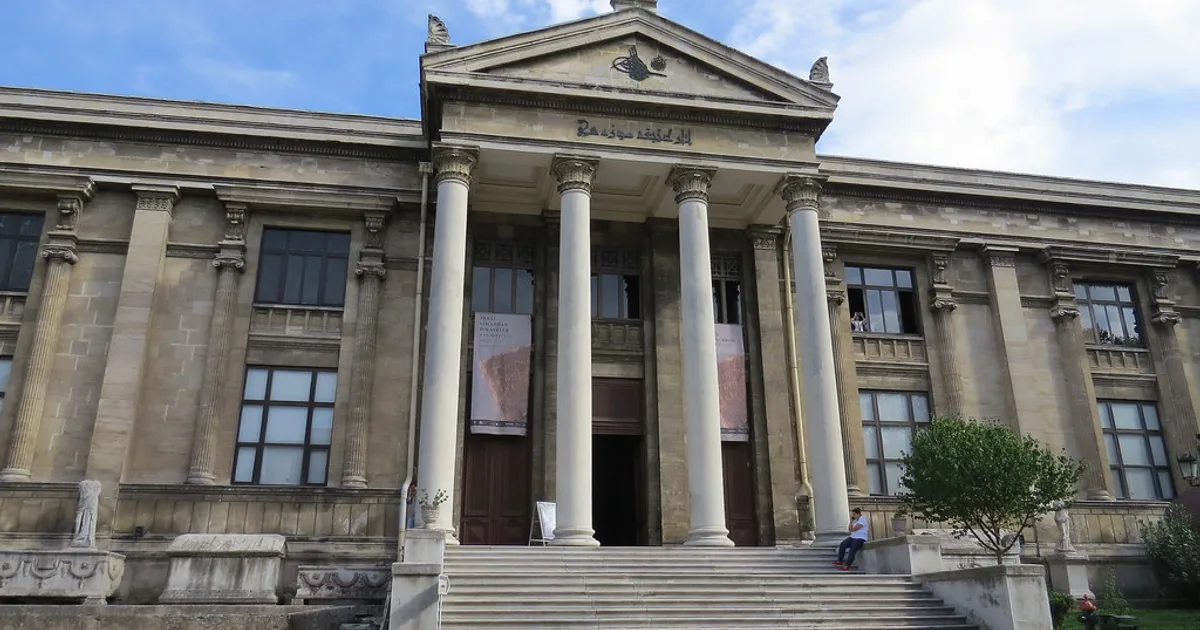
Topkapi is adjacent to Hagia Sophia, the Blue Mosque, the Grand Bazaar, and the Istanbul Archaeological Museums — all within walking distance. This district of Istanbul is the most concentrated historic site in the city.
How long should I spend at Topkapi Palace Museum?
Plan 2–3 hours for the highlights. Add time for temporary exhibitions, the museum shop, and café.
What is Topkapi Palace Museum best known for?
Topkapi Palace was the administrative heart of the Ottoman Empire for nearly 400 years, home to the sultans and their court from the reign of Mehmed II (who built it after conquering Constantinople in 1453) until the 1850s. The palace complex covers 70 hectares on a promontory overlooking the confluence of the Bosphorus and the Golden Horn. Key highlights include Imperial Treasury — Topkapi Dagger and Spoonmaker's Diamond, The Harem — 300 rooms of gilded Ottoman interiors, Sacred Relics Chamber — Prophet Muhammad's cloak and sword.
How do I get tickets for Topkapi Palace Museum?
Approximately €17 palace admission; Harem requires a separate additional ticket (~€8) Tickets are usually available on the day, but booking online saves queue time in peak season. Official site: https://www.topkapisarayi.gov.tr/en
Is the Harem worth the separate ticket?
Absolutely — the Harem is the highlight for most visitors. The gilded chambers of Murad III and Ahmed III, the tiled corridors, and the Courtyard of the Favourites are extraordinary. Buy the Harem ticket at the Harem entrance inside the palace — it cannot be purchased in advance online.
How much time does Topkapi need?
Allow at least 3 hours for the main palace and Treasury. Add 1–1.5 hours for the Harem. A thorough visit including all courtyards, the Sacred Relics, and the gardens can fill a full day. Hagia Sophia and the Blue Mosque are adjacent.
What is the dress code for the Sacred Relics Chamber?
Modest dress is expected throughout the palace. The Sacred Relics Chamber requires particular respect — shoulders and knees covered. Women may be asked to cover their hair in the relics room. Scarves are available at the entrance.
You might also like
World Animal Rescue Network
Adopt an orangutan symbolically
Orangutans lose forest across Borneo and Sumatra. A symbolic adoption — one-off or monthly — funds rescue and habitat protection with a personalised certificate. Please consider a donation to support this work.
Enjoying our free guides? Support World Museum Guide — optional, and every guide stays free.