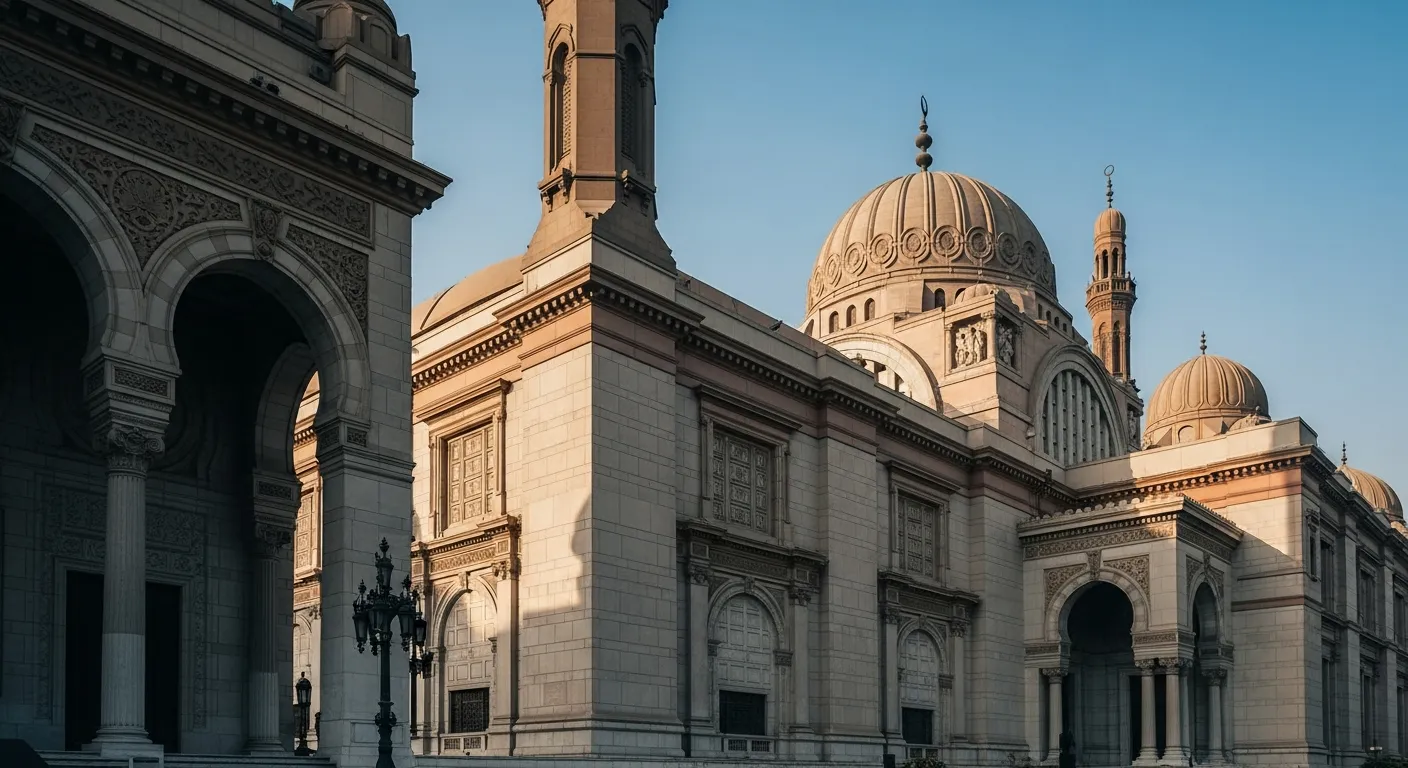
Museum of Islamic Art, Cairo
Good for: Art Lovers · History Enthusiasts
1881
Founded
4,500+
Objects on Display
2–3 hours
Recommended Visit
Quick answer
Museum of Islamic Art, Cairo in Cairo, Egypt — founded in 1881 inside the Mosque of Baybars, the Museum of Islamic Art, Cairo moved to its current Mamluk-revival building on Bab al-Khalq Square in 1903. Open Daily: 9:00 AM – 5:00 PM. Admission: EGP 240 standard admission. World Museum Guide covers the highlights, getting there, and how long to allow (2–3 hours).
Verified 2026-06-30 against official sources.
About Museum of Islamic Art, Cairo
Founded in 1881 inside the Mosque of Baybars, the Museum of Islamic Art, Cairo moved to its current Mamluk-revival building on Bab al-Khalq Square in 1903. It holds one of the world's most important collections of Islamic art, with works from across fourteen centuries.
After damage from a 2014 car bombing, the museum closed for restoration and reopened with refreshed displays of more than 4,500 objects spanning calligraphy, ceramics, textiles, metalwork, woodwork, and glass from the entire Islamic world.
Masterpieces include Mamluk metalwork inlaid with silver, Iznik ceramics, Ottoman tiles, and Quranic manuscripts from the earliest centuries of Islam.
The museum is about a 15-minute drive from the Egyptian Museum in Tahrir Square and is essential for anyone interested in Islamic civilisation.
2–3 hours highlights route
A focused route through 4 must-see highlights at Museum of Islamic Art, Cairo without museum fatigue. · 2–3 hours
- 1
Mamluk Silver-Inlaid Basin
📍 Metalwork Gallery
A brass basin inlaid with silver arabesque and calligraphic bands — the technical pinnacle of Mamluk metalwork.
- 2
Iznik Ceramic Dish
📍 Ceramics Gallery
A large Iznik dish with cobalt blue and turquoise tulip and carnation design — among the finest Ottoman ceramic production.
- 3
Fatimid Rock Crystal Ewer
📍 Treasury Gallery
A carved rock crystal ewer from the Fatimid caliphate in Cairo — rock crystal carving was a specialty of Fatimid court workshops.
- 4
Timurid Qur'an Manuscript
📍 Manuscript Gallery
An illuminated Qur'an with gold chapter headings and marginal floral scrolls from the Timurid court at Herat.
Masterworks & must-see highlights
The works that define Museum of Islamic Art, Cairo — and why they matter.
Mamluk Silver-Inlaid Basin
Mamluk metalworkers · 14th century
📍 Metalwork Gallery
A brass basin inlaid with silver arabesque and calligraphic bands — the technical pinnacle of Mamluk metalwork.
Iznik Ceramic Dish
Ottoman potters · 16th century
📍 Ceramics Gallery
A large Iznik dish with cobalt blue and turquoise tulip and carnation design — among the finest Ottoman ceramic production.
Fatimid Rock Crystal Ewer
Fatimid craftsmen · 10th–11th century
📍 Treasury Gallery
A carved rock crystal ewer from the Fatimid caliphate in Cairo — rock crystal carving was a specialty of Fatimid court workshops.
Timurid Qur'an Manuscript
Herat scribes · 15th century
📍 Manuscript Gallery
An illuminated Qur'an with gold chapter headings and marginal floral scrolls from the Timurid court at Herat.
Collections & highlights
- • Mamluk metalwork
- • Iznik ceramics
- • Quranic manuscripts
- • Inlaid wood and ivory minbars
- • Fatimid rock crystal
Frequently asked questions
Is the museum near the Egyptian Museum?
It is around a 15-minute drive across central Cairo.
Is photography allowed?
Personal photography requires an additional permit purchased at the entrance.
How long should I spend at Museum of Islamic Art, Cairo?
Plan 2–3 hours for the highlights. Add time for temporary exhibitions, the museum shop, and café.
What is Museum of Islamic Art, Cairo best known for?
Founded in 1881 inside the Mosque of Baybars, the museum moved to its current Mamluk-revival building on Bab al-Khalq Square in 1903. Key highlights include Mamluk metalwork, Iznik ceramics, Quranic manuscripts.
How do I get tickets for Museum of Islamic Art, Cairo?
EGP 240 standard admission Tickets are usually available on the day, but booking online saves queue time in peak season. Official site: http://www.miaegypt.org/en
Has the museum fully reopened after the bombing?
Yes — the museum reopened after extensive restoration with refreshed galleries and improved security.
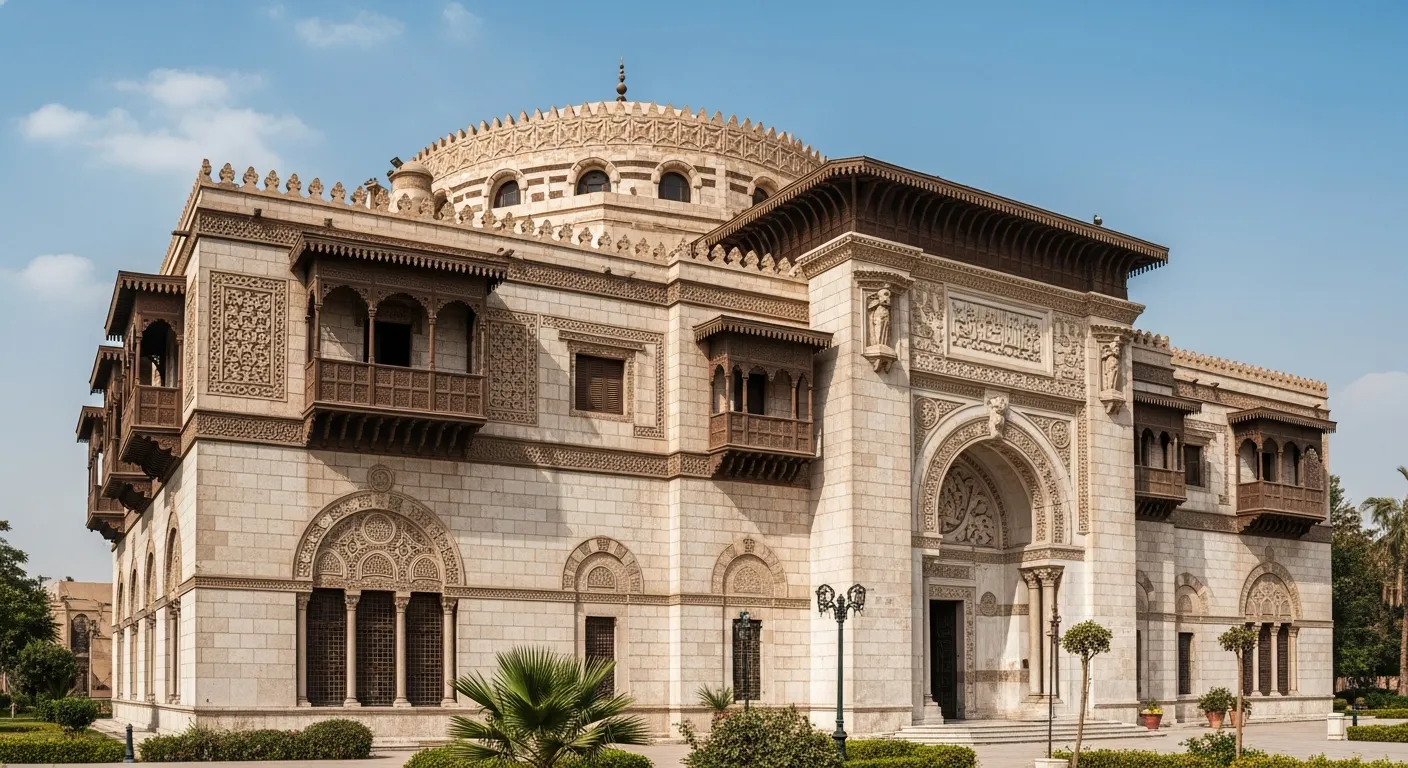
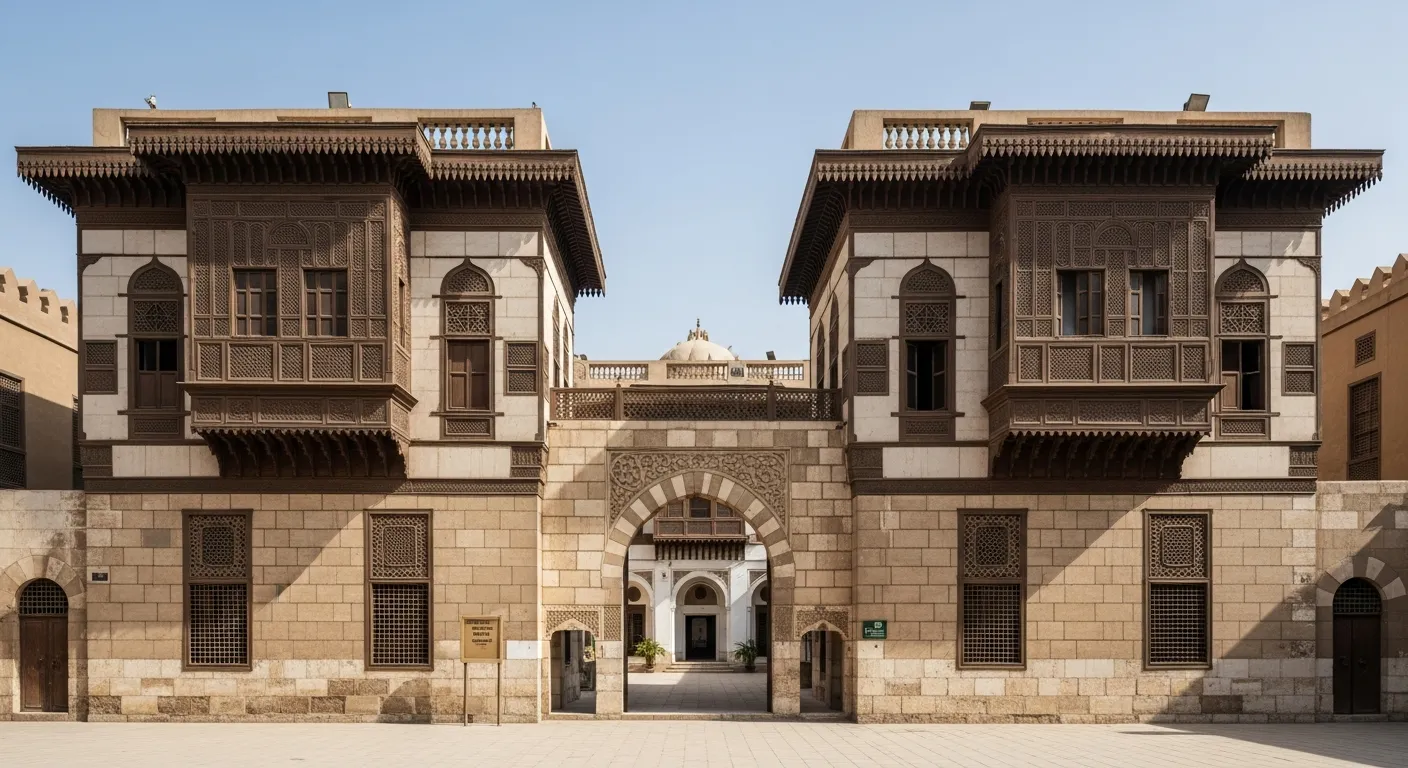
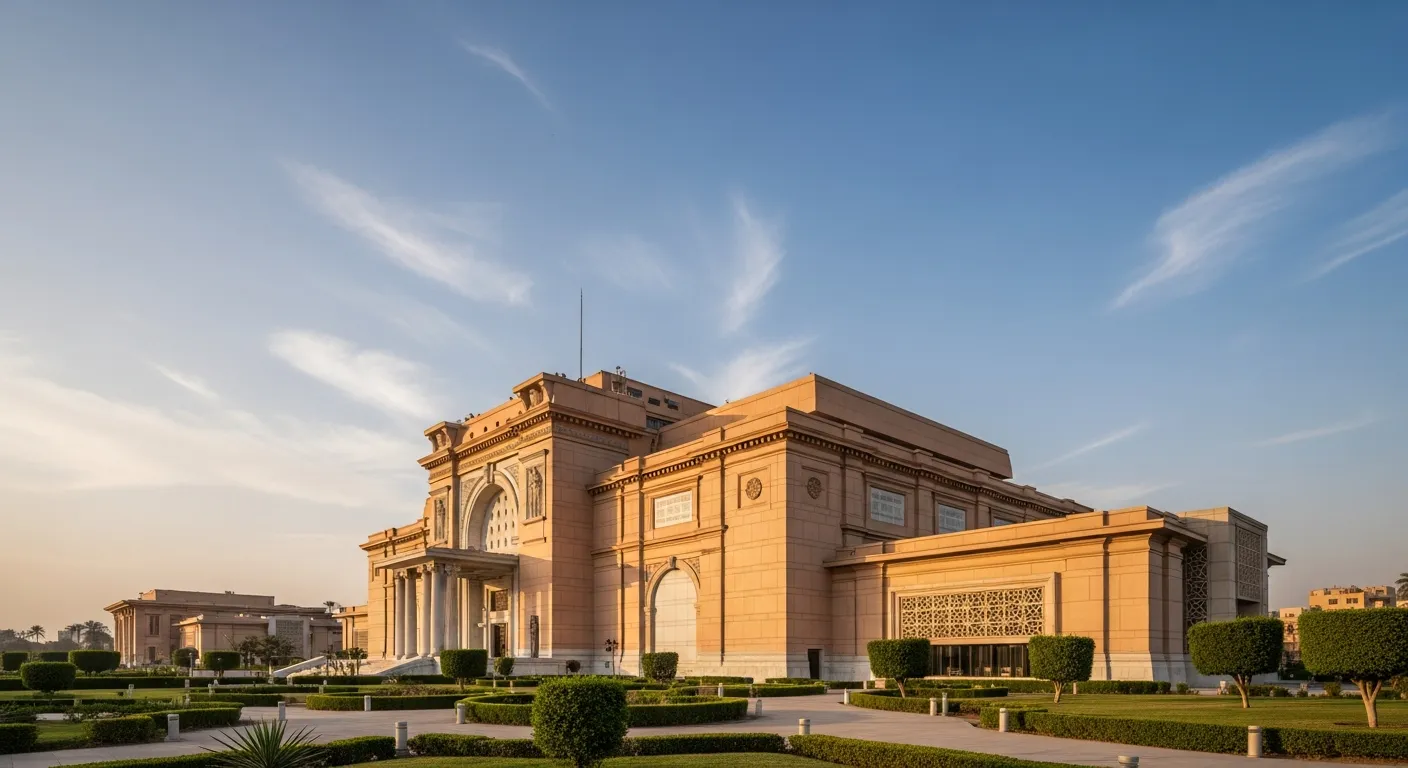
World Animal Rescue Network
Save pangolins
Pangolins are the world's most trafficked mammals. Donations fund confiscation response, rehabilitation, and demand-reduction campaigns. Please consider a donation to support this work.
Enjoying our free guides? Support World Museum Guide — optional, and every guide stays free.