Visitor Guide
For History Enthusiasts
The world's greatest history and archaeology museums — from encyclopedic institutions holding millions of objects to specialist museums of astonishing depth.
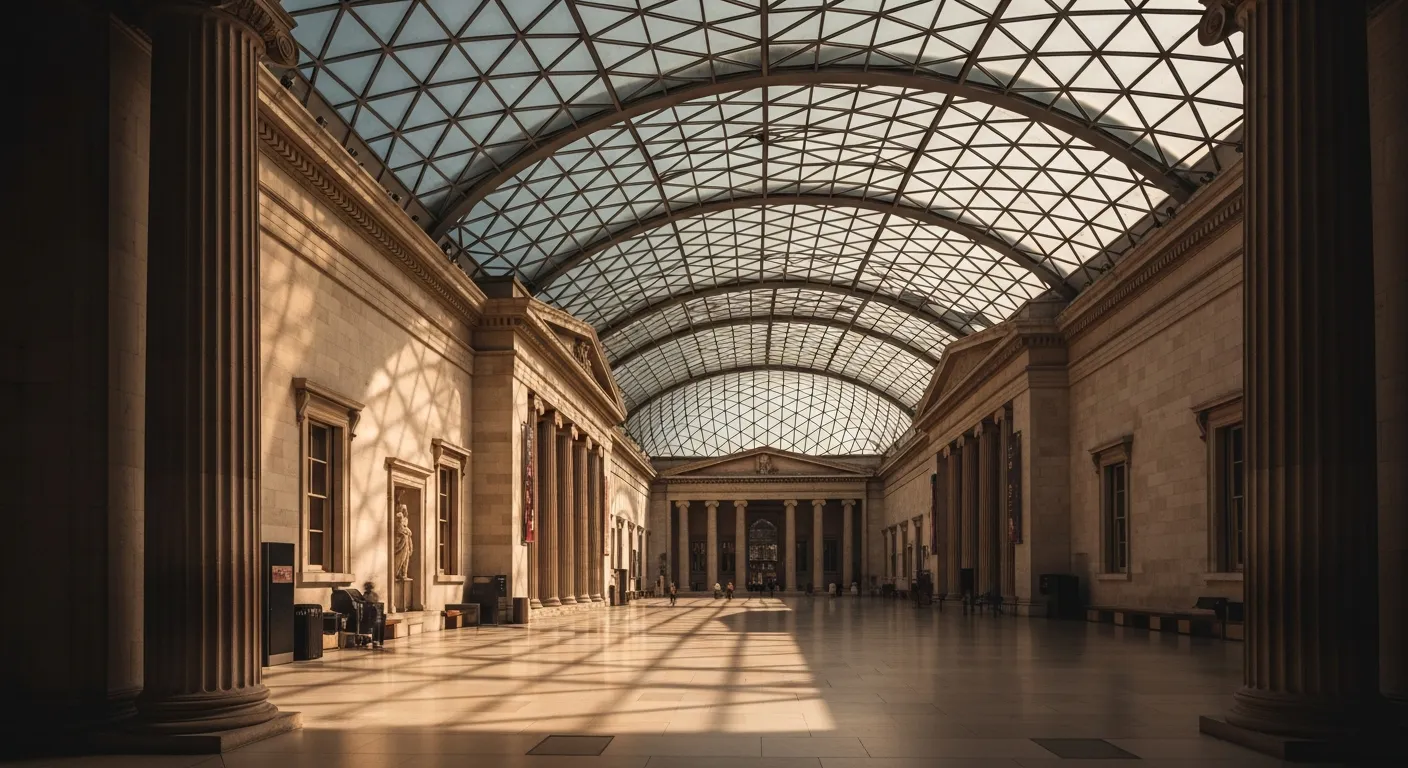
London, UK
Key highlights: The Rosetta Stone, Sutton Hoo Helmet, Lindow Man, Elgin Marbles
The greatest encyclopedic museum in existence — eight million objects covering the full sweep of human history on every continent. The depth and breadth of the collection is unmatched.
Cairo, Egypt
Key highlights: Tutankhamun's mask and treasures, Royal Mummy Room
The definitive collection of ancient Egyptian artefacts, including Tutankhamun's original funerary mask and the world's largest collection of royal mummies. An overwhelming, unmissable experience.
Berlin, Germany
Key highlights: Pergamon Altar, Ishtar Gate of Babylon, Market Gate of Miletus
Houses three complete ancient architectural structures — reconstructed full-scale inside the museum. The Ishtar Gate of Babylon (575 BCE) and the Pergamon Altar are among the most extraordinary objects in any museum in the world.
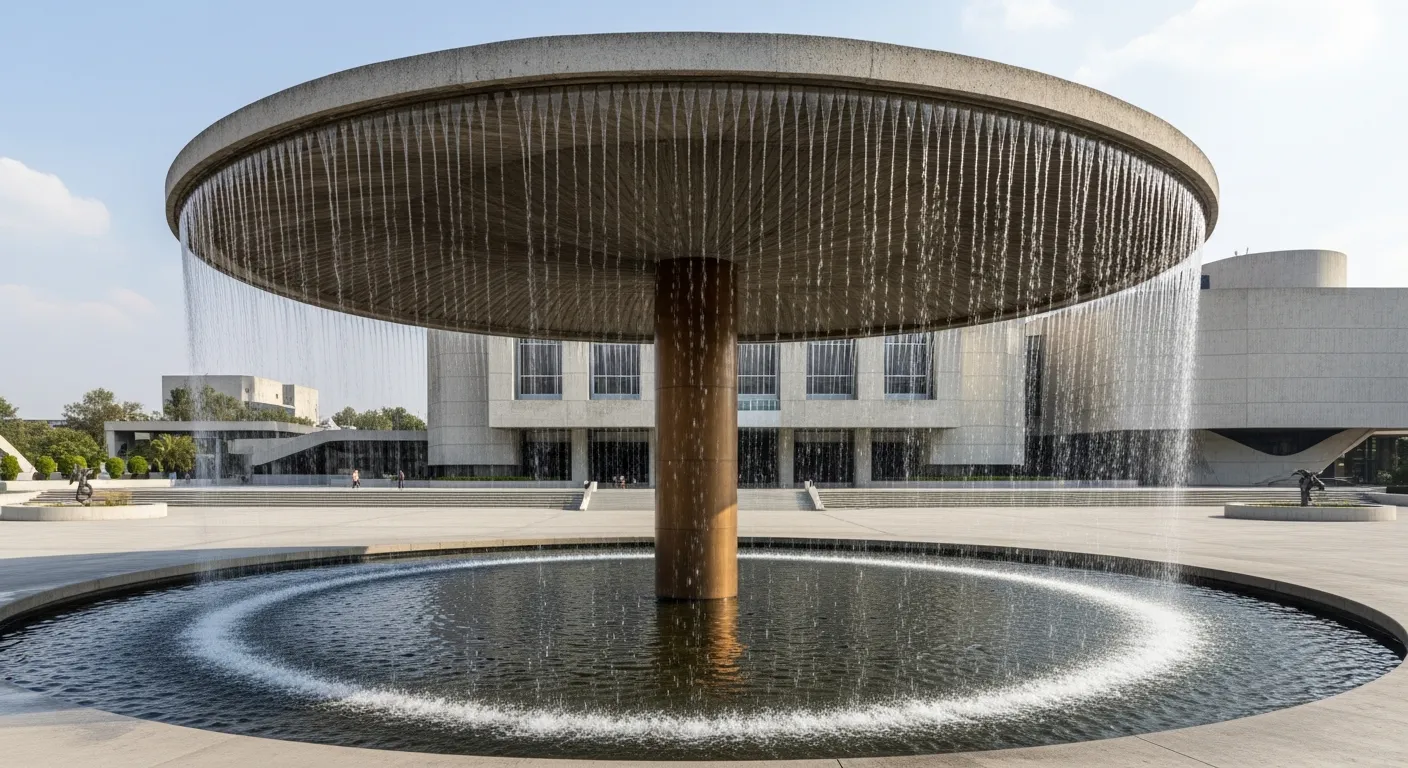
Mexico City, Mexico
Key highlights: Aztec Sun Stone, Mayan stelae, Olmec heads
The finest collection of pre-Columbian Mesoamerican artefacts in existence. The Aztec Sun Stone alone justifies the visit — but the museum's 23 rooms cover the full span of Mexico's extraordinarily rich pre-Hispanic cultures.
Washington D.C., USA
Key highlights: Deep time geology, Ancient Seas, Human Origins Hall
The Human Origins Hall alone makes this essential for anyone interested in the deep history of our species. Free entry, world-class research institution, consistently excellent exhibitions.
New York City, USA
Key highlights: Egyptian Wing including the Temple of Dendur, Greek and Roman galleries, Arms & Armour
The Met's historical collections — from the reconstructed Egyptian temple to Greek and Roman sculpture to Islamic art — rival any dedicated history museum. The breadth across 5,000 years of civilisation is extraordinary.
Museum Collections & Repatriation
Many of the world's great history museums hold objects acquired during the colonial era under conditions now considered ethically problematic. Repatriation — the return of cultural property to countries of origin — is one of the defining debates in the museum world. Here are the most prominent ongoing cases, presented factually.
The Elgin (Parthenon) Marbles
Removed between 1801–1812 by Lord Elgin, British Ambassador to the Ottoman Empire, who claimed permission from Ottoman authorities. Greece has sought their return since independence in 1821, most prominently since Melina Mercouri's campaign in the 1980s. The British Museum maintains the marbles are better preserved and more accessible in London; the Greek government argues they belong to a unified monument and should be displayed in Athens' purpose-built Acropolis Museum (2009), which has a dedicated gallery awaiting their return. As of 2025, negotiations continue at a diplomatic level.
The Benin Bronzes
Approximately 3,000 brass and bronze sculptures looted during the British Punitive Expedition of 1897, when British forces sacked the royal palace of Benin City. The Nigerian government and the Royal Court of Benin have sought their return for decades. Since 2020, significant returns have occurred: Germany returned over 1,100 bronzes in 2022–23; the Smithsonian, Cambridge's Jesus College, and Aberdeen University have also returned objects. The British Museum has engaged in negotiations but retained its collection as of 2025.
The Rosetta Stone
Discovered in 1799 by French soldiers during Napoleon's Egyptian campaign, seized by British forces following Napoleon's defeat, and presented to the British Museum in 1802. Egypt has periodically requested its return, most notably in 2022 when Egyptologist Monica Hanna renewed the call publicly. The British Museum's position is that the stone is part of the "shared heritage of humanity."
Nefertiti Bust
Excavated in 1912 by a German expedition and exported under a division-of-finds agreement with Egyptian authorities. Egypt disputes whether the export was properly authorised — claiming German excavators may have concealed the bust's quality during the division process. Egypt has requested the bust's return repeatedly. Germany has declined, arguing the export was legal under the terms in force at the time.
Koh-i-Noor Diamond
Originally from India, passed through successive rulers before being ceded to Queen Victoria following the British annexation of the Punjab in 1849, when its custodian, the 10-year-old Maharaja Duleep Singh, signed the transfer under disputed conditions. India, Pakistan, Afghanistan, and Iran have all made claims. The British government has stated the transfer was legal under treaties of the time and that the Crown Jewels cannot be deaccessioned under current law.
Note on legal context: The British Museum Act 1963 legally prevents the British Museum from permanently transferring objects out of its collection — a significant legal barrier to formal returns that successive UK governments have declined to amend. Many other national institutions operate under similar statutory restrictions.