Museo Reina Sofía
Quick answer
Museo Reina Sofía in Madrid, Spain — the Museo Nacional Centro de Arte Reina Sofía is Spain's national museum of 20th-century art, located in Madrid near the Atocha train station. Open Monday and Wednesday to Saturday: 10:00 AM – 9:00 PM; Sunday: 10:00 AM – 2:30 PM; closed Tuesdays. Admission: €12 standard admission; free during late afternoons. Allow 2–4 hours.
Visitor information last reviewed 30 June 2026. Check the official museum site for current details.
Museo Reina Sofía at a glance: hours, tickets and time needed
| Opening hours | Monday and Wednesday to Saturday: 10:00 AM – 9:00 PM; Sunday: 10:00 AM – 2:30 PM |
|---|---|
| Closed | Tuesdays |
| Admission | €12 standard admission; free during late afternoons |
| Free or reduced entry | Monday and Wednesday–Saturday 7–9 PM; Sunday 12:30–2:30 PM; a free ticket is still required |
| Booking | Tickets usually available on the day |
| Time needed | 2–4 hours |
| Getting there | Metro: Line 1 to Atocha Renfe (exit directly in front of the museum) |
| Address | Calle de Santa Isabel, 52, 28012 Madrid, Spain |
| Official website | museoreinasofia.es |
Checked 2026-06-30 against the official website. Prices and hours change — confirm before you travel.
What is Museo Reina Sofía known for?
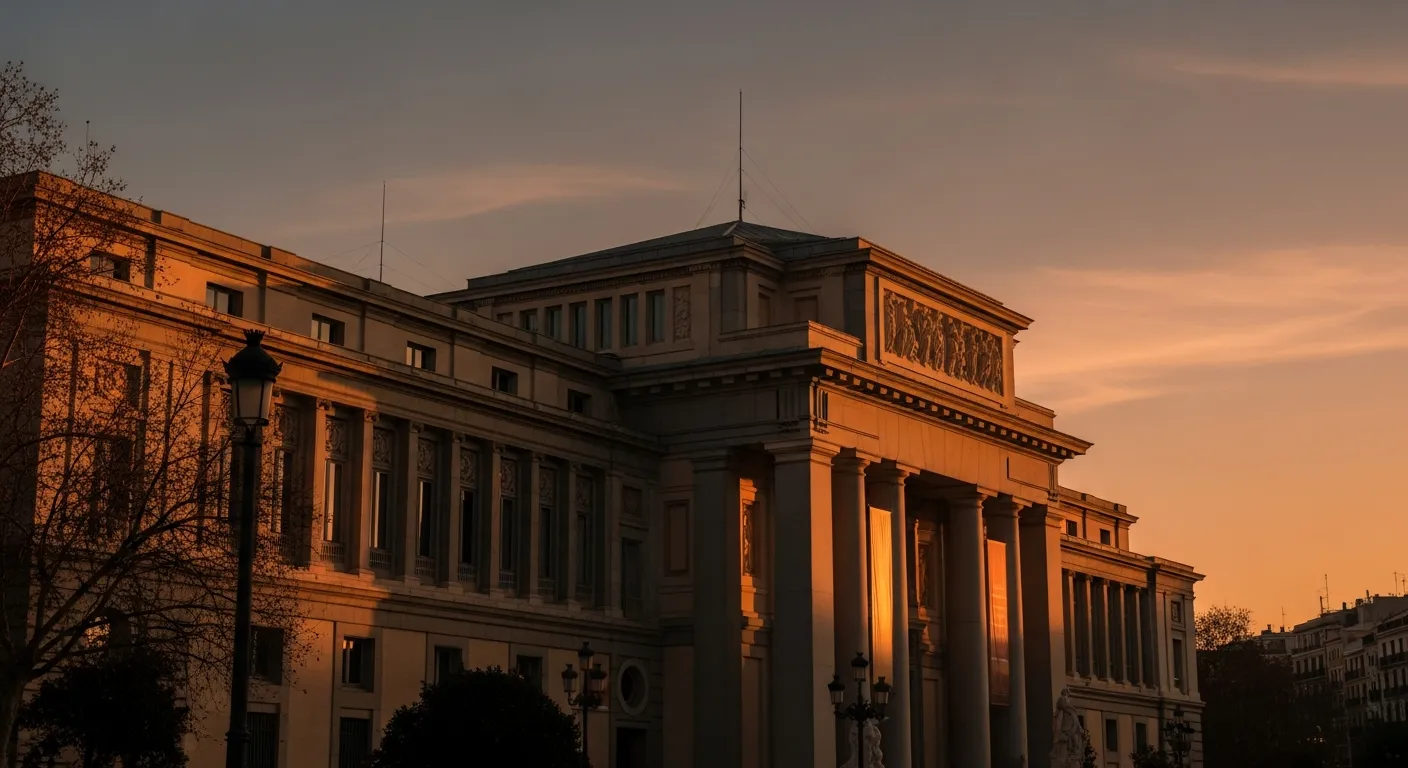
The Museo Nacional Centro de Arte Reina Sofía is Spain's national museum of 20th-century art, located in Madrid near the Atocha train station. It is named after Queen Sofía and was inaugurated on 10 September 1992.
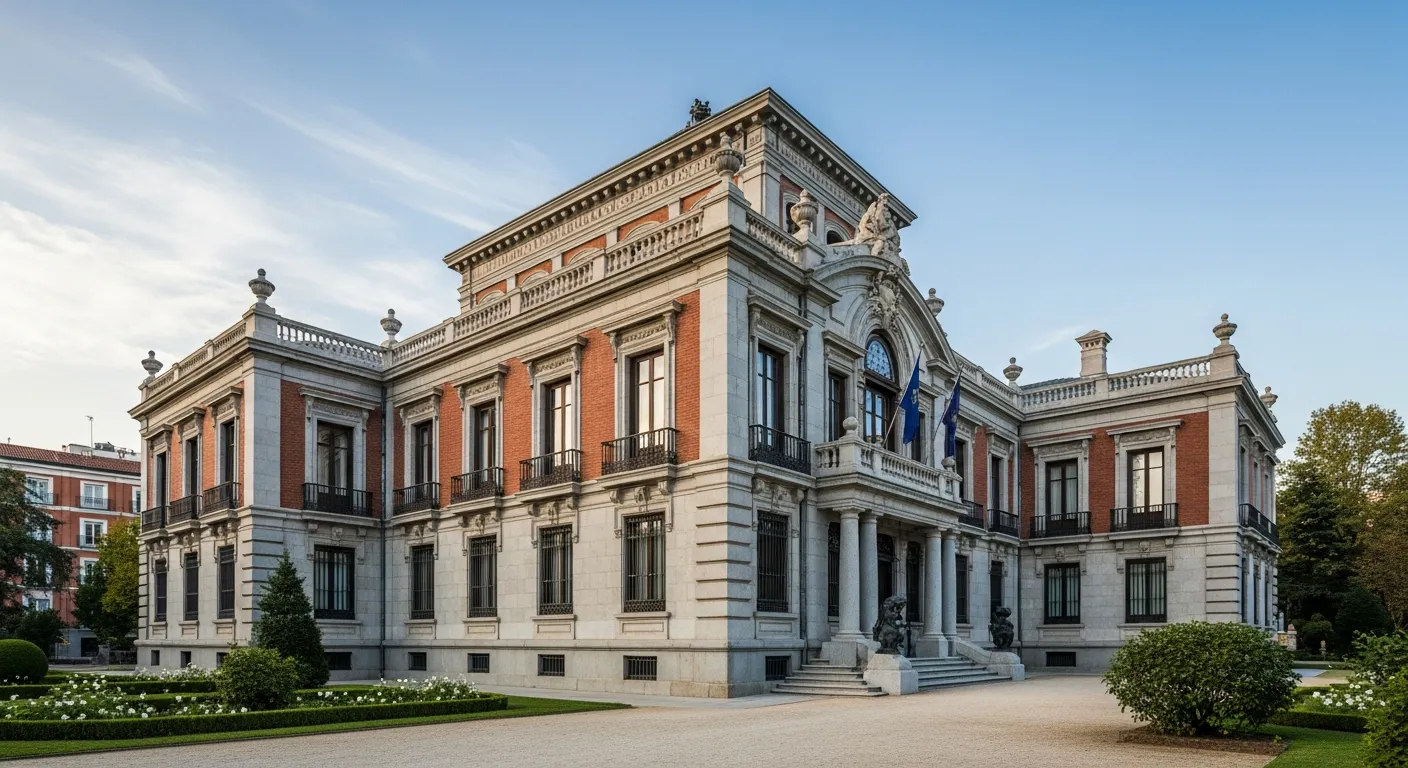
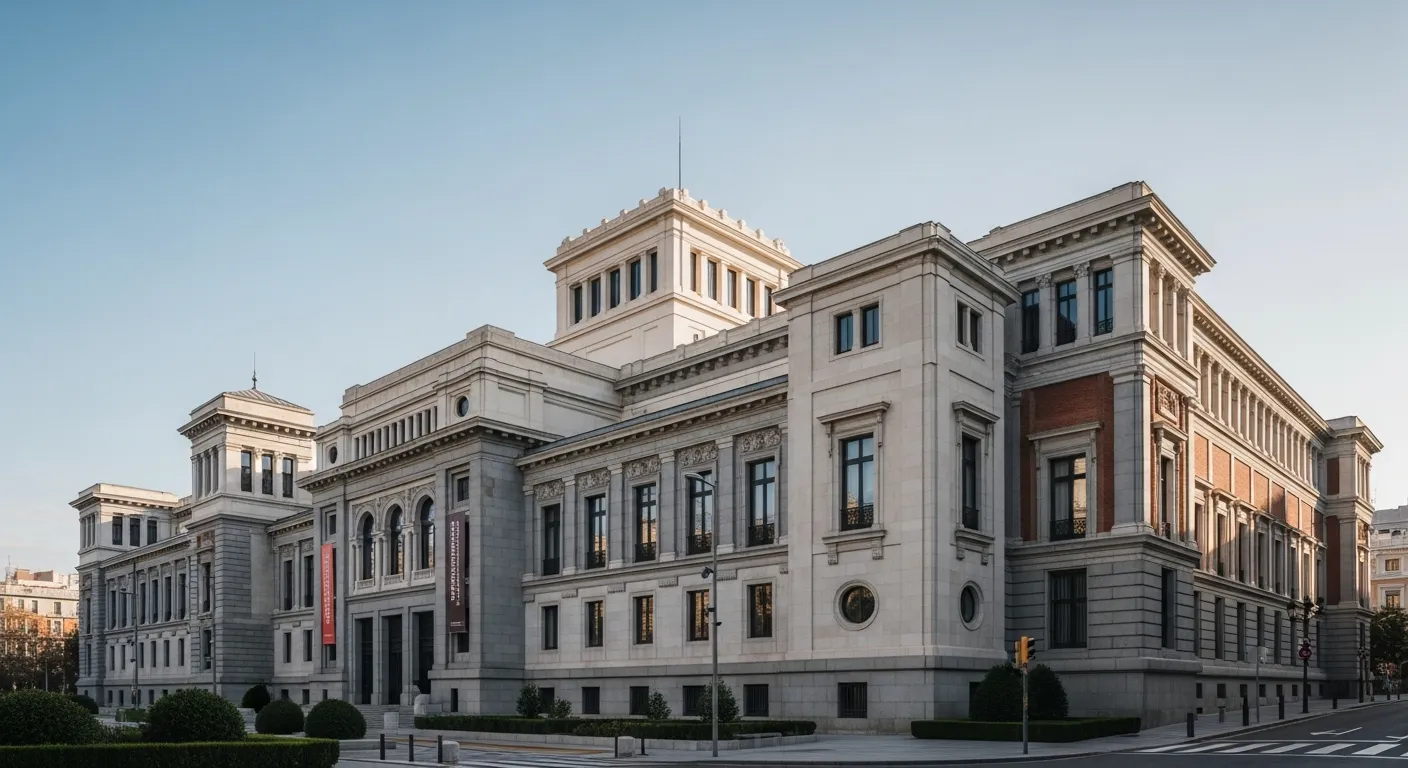
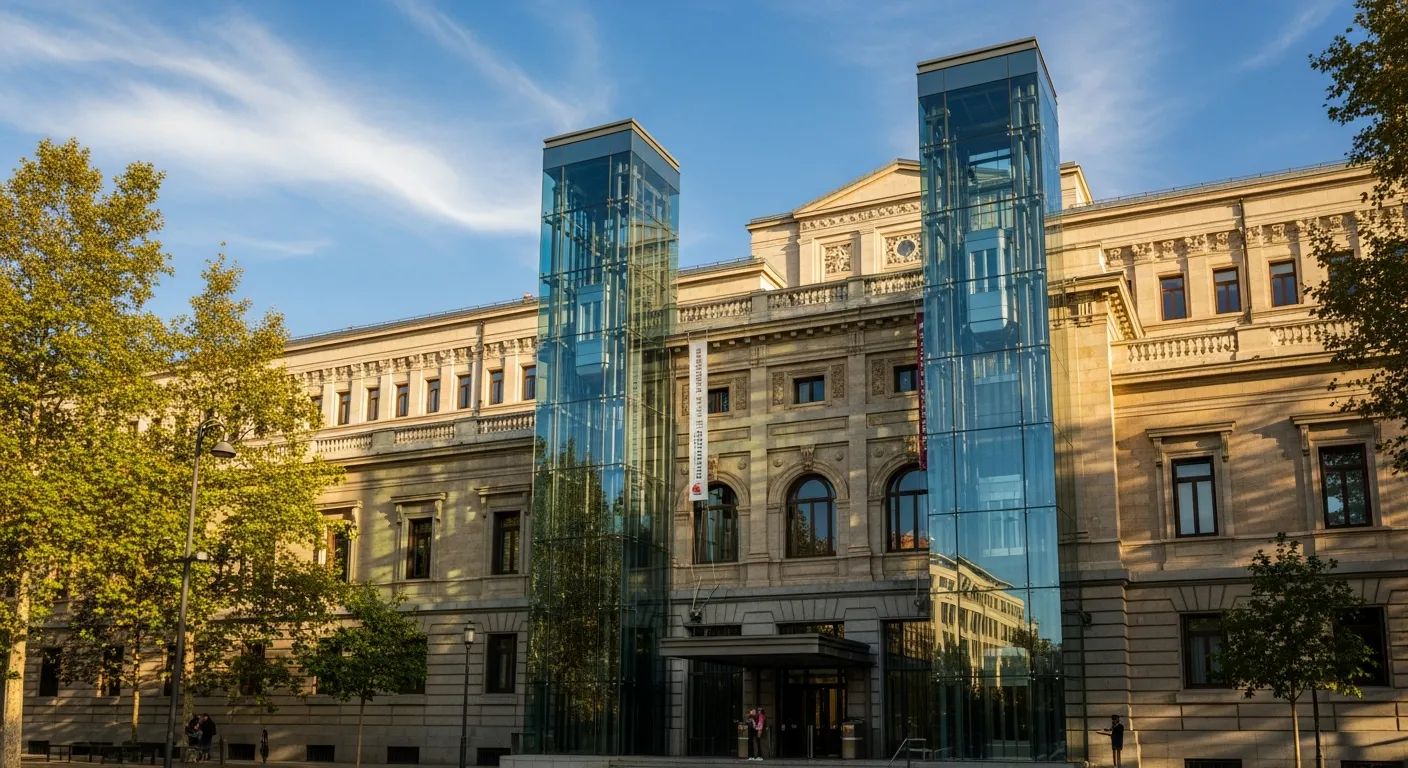
The museum is housed in the former Hospital General de Madrid, with two later additions designed by Jean Nouvel. The original building features two glass and steel exterior elevator towers that have become iconic.
Its permanent collection focuses primarily on Spanish art and is particularly strong in works by Pablo Picasso, Salvador Dalí, and Joan Miró.
The museum forms part of Madrid's 'Golden Triangle of Art' alongside the Prado and the Thyssen-Bornemisza, with each institution covering different periods to provide a comprehensive view of Western art history.
Best for: Art Lovers · First-timers · Rainy-day visits
How long do you need at Museo Reina Sofía?
Allow 2–4 hours. A focused route through 3 must-see highlights at Museo Reina Sofía without museum fatigue. Follow the stops in order:
- 1
Guernica
📍 Room 206, Building Sabatini (2nd floor)
Picasso's shattering response to the Nazi bombing of the Basque town of Guernica on 26 April 1937.
- 2
The Great Masturbator
📍 Room 202, Dalí Collection
A hallucinatory Surrealist painting combining a melting self-portrait profile, a female torso, and swarming insects.
- 3
Woman in Blue
📍 Picasso Collection
A work submitted by Picasso to the National Exhibition in Madrid and rejected.
What are the must-see works at Museo Reina Sofía?
3 highlights that define the collection: Guernica, The Great Masturbator, Woman in Blue.
Guernica
Pablo Picasso · 1937
📍 Room 206, Building Sabatini (2nd floor)
Picasso's shattering response to the Nazi bombing of the Basque town of Guernica on 26 April 1937. In monochrome, the 3.5 × 7.8 m canvas fragments the agony of civilians, animals, and a dying soldier into Cubist shards. The most powerful political painting of the 20th century.
The Great Masturbator
Salvador Dalí · 1929
📍 Room 202, Dalí Collection
A hallucinatory Surrealist painting combining a melting self-portrait profile, a female torso, and swarming insects. It was painted in the year Dalí met Gala, who would become his lifelong muse and partner.
Woman in Blue
Pablo Picasso · 1901
📍 Picasso Collection
A work submitted by Picasso to the National Exhibition in Madrid and rejected. The elongated blue-grey figure in fashionable dress anticipates Picasso's Blue Period and his emerging style.
Collections and highlights
- • Guernica by Pablo Picasso
- • The Great Masturbator by Salvador Dalí
- • Woman in Blue by Pablo Picasso
- • Portrait II by Joan Miró
- • Tertulia del Café de Pombo by José Gutiérrez Solana
Famous works with their own guide
How do you get to Museo Reina Sofía?
- metro Line 1 to Atocha Renfe (exit directly in front of the museum)
- metro Line 3 to Lavapiés — 10-minute walk north on Calle Atocha
- train Cercanías (commuter rail) to Madrid Atocha — 2-minute walk
- bus Lines 6, 10, 14, 26, 27, 32, 34, 36, 37, 45, 57 — stop: Museo Reina Sofía
Address: Calle de Santa Isabel, 52, 28012 Madrid, Spain
Museo Reina Sofía: frequently asked questions
Where is Guernica displayed in the Museo Reina Sofía?
Picasso's Guernica (1937) is displayed in Room 206.02 on the second floor of the Sabatini Building (the original hospital building). The painting — 3.49 × 7.76 metres — occupies an entire wall of the room and is flanked by the 45 preparatory studies Picasso made before finalising the composition, giving exceptional insight into his creative process. The surrounding rooms contain Picasso's other major works from the 1930s.
Is the Museo Reina Sofía free to visit?
Yes — the Reina Sofía offers free admission Monday and Wednesday to Saturday from 7:00 PM to 9:00 PM, and on Sundays from 12:30 PM to 2:30 PM. These free periods are extremely popular; arrive early. Standard daytime admission is €12. EU citizens under 18 enter free. The museum is closed on Tuesdays.
What are the highlights of the Reina Sofía collection beyond Guernica?
The Great Masturbator (1929) and other major works by Salvador Dalí; the Miró collection — the museum holds over 200 works by Joan Miró; Woman in Blue (1901) by Picasso; Tertulia del Café de Pombo (1920) by José Gutiérrez Solana; and a significant collection of 20th-century Spanish sculpture, including works by Eduardo Chillida and Jorge Oteiza. The museum also has a strong international contemporary art programme.
What is the Golden Triangle of Art in Madrid?
Madrid's 'Golden Triangle of Art' is a short walk of three world-class museums along the Paseo del Prado: the Prado (Spanish and European Old Masters, 12th–20th century), the Thyssen-Bornemisza Museum (encyclopedic Western art from the 13th century to Pop Art), and the Reina Sofía (20th-century art, primarily Spanish modern masters). All three are within a 10-minute walk of each other. The combined Paseo del Arte ticket allows discounted entry to all three in a single day.
How long does a visit to the Museo Reina Sofía take?
The main Sabatini Building has four floors; the newer Nouvel Building (with its striking glass-and-steel exterior elevators) adds additional temporary exhibition space. A visit focused on Guernica, the surrounding Picasso and Dalí galleries, and the Miró collection takes 2–3 hours. A comprehensive visit through all permanent and temporary exhibitions takes a full day. The Reina Sofía's architecture and café-restaurant are also worth experiencing.
How long should I spend at Museo Reina Sofía?
Plan 2–4 hours for the highlights of Museo Reina Sofía. Our 3-stop route — Guernica, The Great Masturbator, Woman in Blue and more — is designed to fit that time. Add extra time for temporary exhibitions, the shop and the café.
Is Museo Reina Sofía open on Tuesdays?
No — Museo Reina Sofía is closed every Tuesday. It is open Monday and Wednesday to Saturday: 10:00 AM – 9:00 PM; Sunday: 10:00 AM – 2:30 PM. Plan a different museum for that day, and check the official website for holiday changes.
What are Museo Reina Sofía's opening hours?
Museo Reina Sofía is open Monday and Wednesday to Saturday: 10:00 AM – 9:00 PM; Sunday: 10:00 AM – 2:30 PM, and closed Tuesdays. Hours can change for holidays and events, so check the official website before you go.