Visitor Guide

For Art Lovers

The world's greatest art museums — and how to experience them at their best. From the Louvre to MoMA, our guide to the institutions that define the international art world.

The World's Essential Art Museums

Paris, France

Collection focus: Ancient civilisations to 1848

The largest art museum in the world by floor space, and arguably the greatest. The Louvre holds 38,000 works on display — the Mona Lisa and Venus de Milo are the famous anchors, but the Vermeer rooms, the Dutch and Flemish masters, and the Egyptian antiquities wing are each extraordinary in their own right.

Tip: Choose one wing per visit. The Denon Wing (Italian painting, including the Mona Lisa) alone could fill a day.

Full guide →

Florence, Italy

Collection focus: Medieval to Baroque

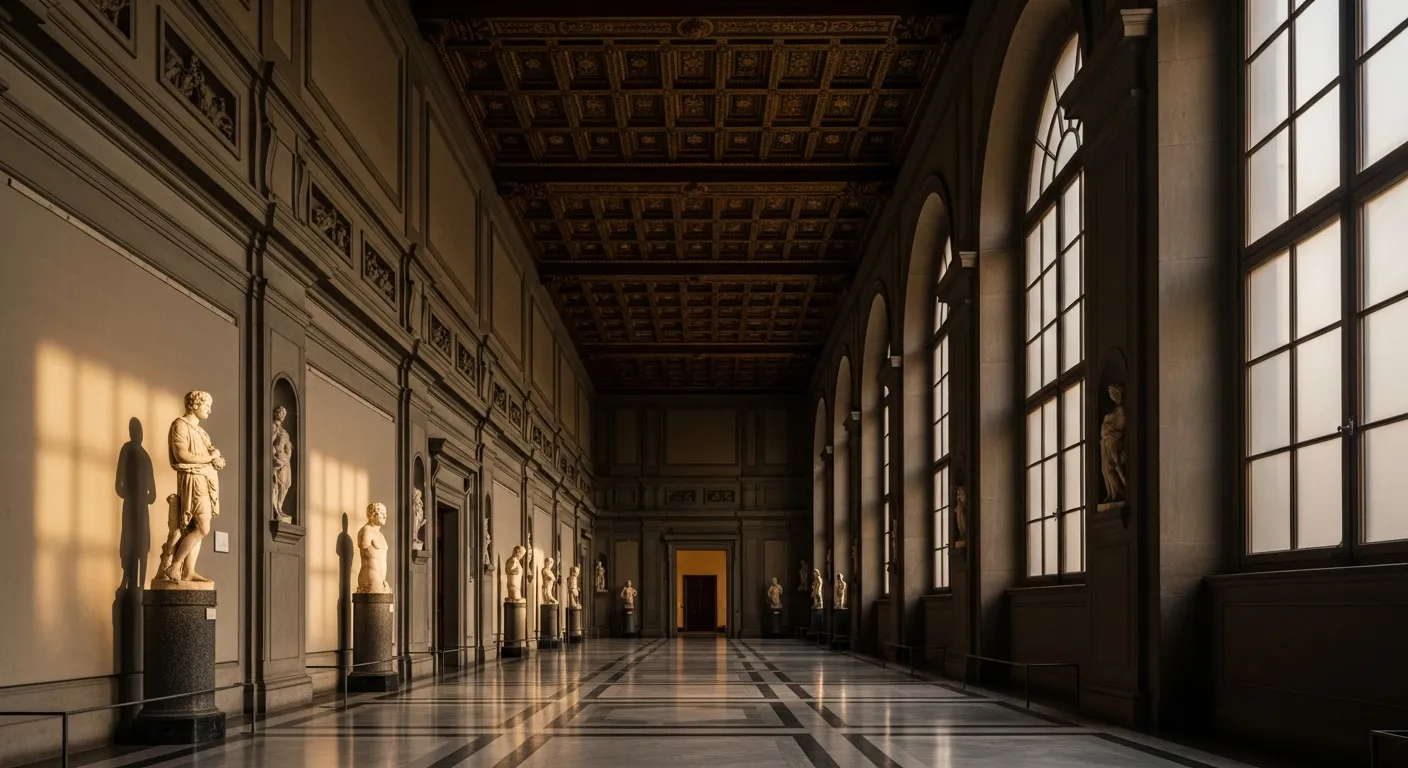
The greatest concentration of Italian Renaissance painting under one roof — Botticelli's Birth of Venus and Primavera, Leonardo, Raphael, Titian, Caravaggio, and Michelangelo all represented in a single corridor. Among the most purely art-historical museum experiences in the world.

Tip: Book the earliest time slot available. The Botticelli rooms are at their best before 10 AM.

Full guide →

Madrid, Spain

Collection focus: 12th–19th century, with focus on Spanish masters

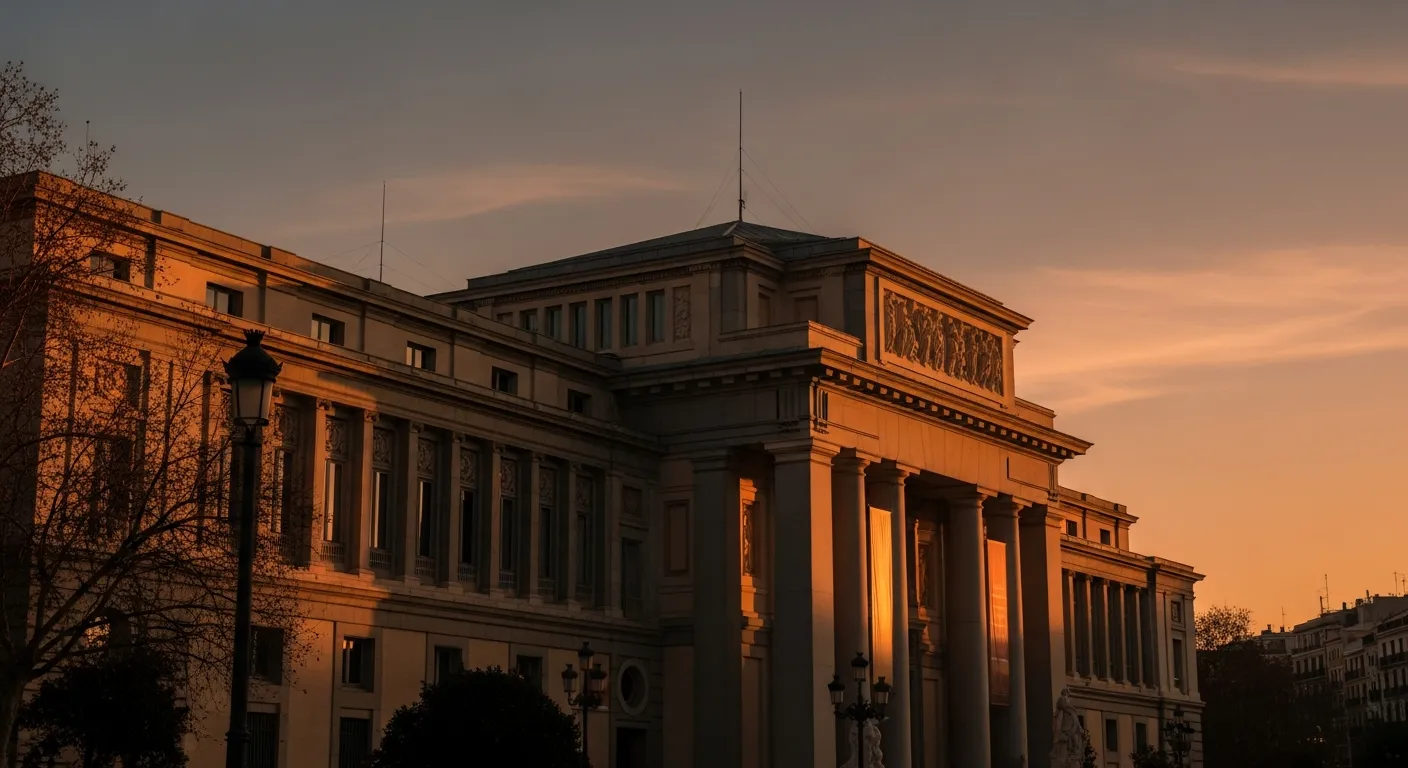
Velázquez, Goya, El Greco, Rubens, Titian — the Prado's collection of Spanish and European masters from the 16th–19th centuries is exceptional. Las Meninas alone justifies a visit to Madrid. The museum's size is manageable, making it one of the most satisfying major art museum experiences.

Tip: Visit during the free evening hours (Monday–Saturday 6–8 PM, Sunday 5–7 PM) for the best experience.

Full guide →

Amsterdam, Netherlands

Collection focus: Dutch Golden Age — 15th to 19th century

The definitive institution for Dutch Golden Age painting. Rembrandt's Night Watch, Vermeer's The Milkmaid, and Hals' portrait collections are displayed in a sequence that builds to one of the greatest single rooms in any museum: the Gallery of Honour.

Tip: The Gallery of Honour is the destination. Navigate directly there when you arrive, then work your way back through the collection.

Full guide →

New York City, USA

Collection focus: All periods, all cultures

Over two million works spanning 5,000 years of human creativity. The Impressionist and Post-Impressionist galleries, European paintings, American wing, and Asian art collections each contain masterpieces. The Met is particularly strong on Rembrandt, Vermeer, and the Impressionists.

Tip: The rooftop sculpture garden (seasonal) and the Temple of Dendur are as memorable as the paintings. Allow a full day.

Full guide →

London, UK

Collection focus: 1250–1900

Free entry to one of the finest collections of Western European painting in the world. Van Eyck's Arnolfini Portrait, Turner's The Fighting Temeraire, Van Gogh's Sunflowers, Constable's The Hay Wain — the canonical works of Western art history in a beautifully proportioned building.

Tip: Entirely free — no booking required for the permanent collection. The Sainsbury Wing holds the earliest paintings; start there and work chronologically.

Full guide →
7 MoMA

New York City, USA

Collection focus: 1880 to present

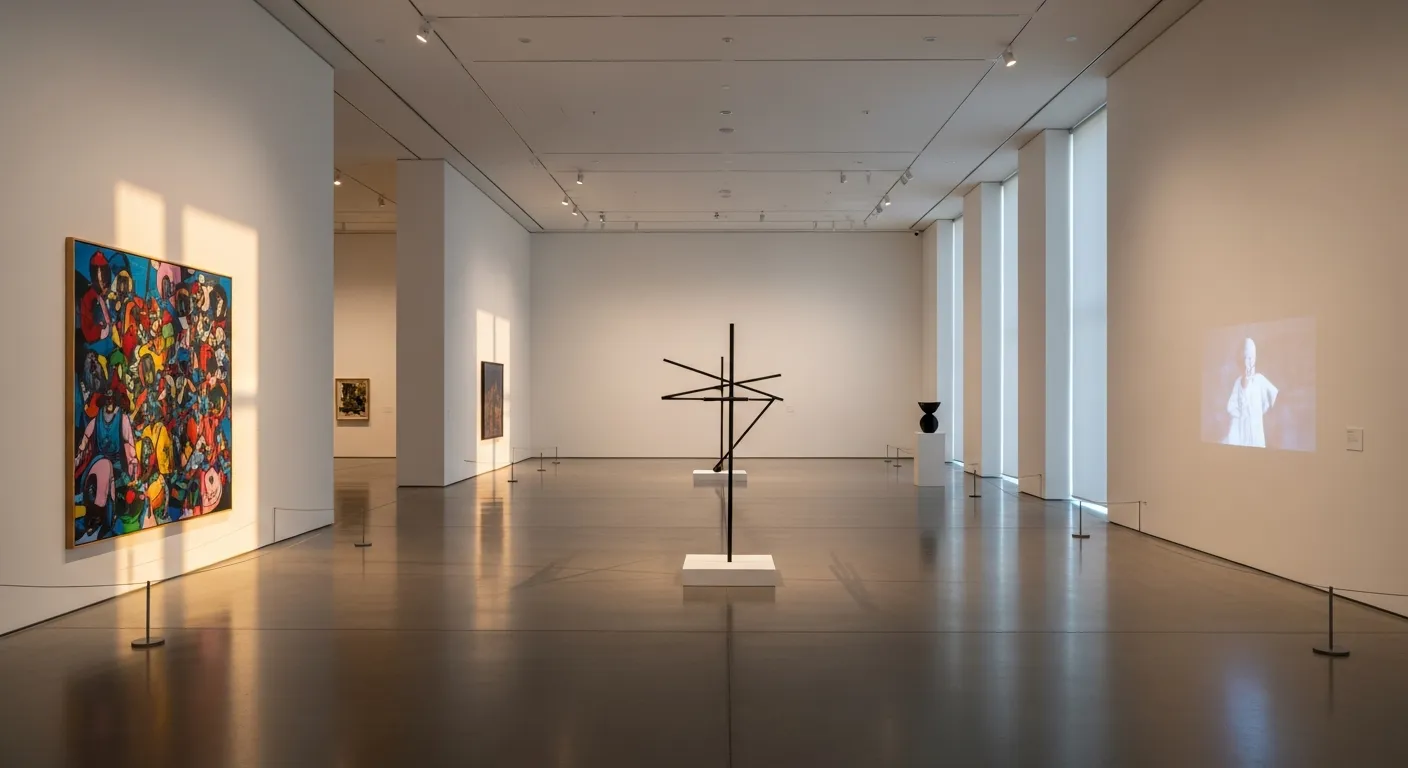
The Museum of Modern Art defines the canon of modern and contemporary art more than any other institution. Picasso's Les Demoiselles d'Avignon, Van Gogh's Starry Night, Dali's Persistence of Memory, Warhol's Campbell's Soup Cans — all permanently housed here.

Tip: The fifth floor (painting and sculpture 1880–1940) is the heart of the collection. Start there before working downward through more recent work.

Full guide →

How to Look at Art

1

Slow down

Most visitors spend under 30 seconds in front of a painting. Try spending five minutes with a single work. Look at the composition, then the technique, then the details — a face in the background, a reflected object, a pentimento.

2

Read the label second

Look at the work first, form your own impression, then read the label. The label's context will either confirm or complicate what you saw — either way, the sequence matters.

3

Ignore the famous ones (at first)

In any great museum, the works beside the famous ones are often as extraordinary. The room containing the Mona Lisa has several other Leonardo-era works that receive almost no attention.

4

Use audio guides selectively

Audio guides are invaluable for historical context but can prevent you from forming your own relationship with a work. Use them for works you don't understand; switch them off for works that speak to you directly.

Beyond the Western Canon

The greatest art museums are not only in Europe and New York. These institutions are essential for anyone serious about the full breadth of human artistic achievement — Japanese, Chinese, Islamic, African, and Indian traditions each have landmark institutions that rival anything in the West.

Tokyo National Museum

Tokyo, Japan

Collection focus: Japanese and Asian art — prehistoric to 19th century

Japan's oldest and largest museum, holding over 120,000 objects — the world's largest collection of Japanese art. The Honkan (Japanese Gallery) traces the full arc from Jōmon pottery to Edo-period screens. The museum also holds exceptional collections of Chinese, Korean, and South Asian art in the Toyokan building.

Tip: The Honkan is the essential building. Allow half a day for it alone. Check for special exhibitions in the Heiseikan — some of the finest Japanese objects are shown only in temporary displays.

Full guide →
National Palace Museum

Taipei, Taiwan

Collection focus: Chinese imperial art — Neolithic to Qing dynasty

Houses the world's largest and finest collection of Chinese imperial art — 700,000+ objects including jade, bronzes, ceramics, calligraphy, and paintings from the Chinese imperial collection, removed to Taiwan in 1949. The Jadeite Cabbage and the Meat-Shaped Stone are among the most famous objects in any Asian museum.

Tip: Only a fraction of the collection is displayed at any one time. The permanent highlights — Jadeite Cabbage, Meat-Shaped Stone, Mao Gong Ding bronze — have their own dedicated display spaces.

Full guide →
Museum of Islamic Art

Doha, Qatar

Collection focus: Islamic art and culture — 7th to 19th century

I. M. Pei's final masterpiece — an island building of extraordinary geometric beauty housing one of the world's finest collections of Islamic art. Covers 1,400 years and three continents, with exceptional holdings in metalwork, ceramics, textiles, jewellery, and manuscripts. The architecture alone rivals the collection.

Tip: The building and its setting on Doha Bay are as compelling as the interiors. Visit at sunset when the geometric facades catch the light. Admission is free.

Full guide →
Zeitz Museum of Contemporary Art Africa

Cape Town, South Africa

Collection focus: Contemporary African art — 21st century

The largest museum of contemporary African art in the world, housed in a transformed grain silo on Cape Town's V&A Waterfront. Zeitz MOCAA collects and exhibits work by artists from Africa and its diaspora, making it the definitive institution for understanding where African contemporary art is going.

Tip: The central atrium — carved from the original silo structure — is one of the most dramatic interior spaces in any museum worldwide. Allow time to explore all nine floors.

Full guide →
National Museum

New Delhi, India

Collection focus: Indian art and culture — prehistoric to 20th century

India's pre-eminent museum holds 200,000+ objects spanning 5,000 years of Indian civilisation — from Harappan seals and Buddhist sculptures to Mughal miniatures and Chola bronzes. The Dancing Girl of Mohenjo-daro (c. 2500 BCE) is among the most significant prehistoric artefacts in the world.

Tip: The Harappan and Buddhist sculpture galleries are the highlights. The museum is large — focus on two or three sections per visit rather than attempting everything.

Full guide →

Frequently Asked Questions