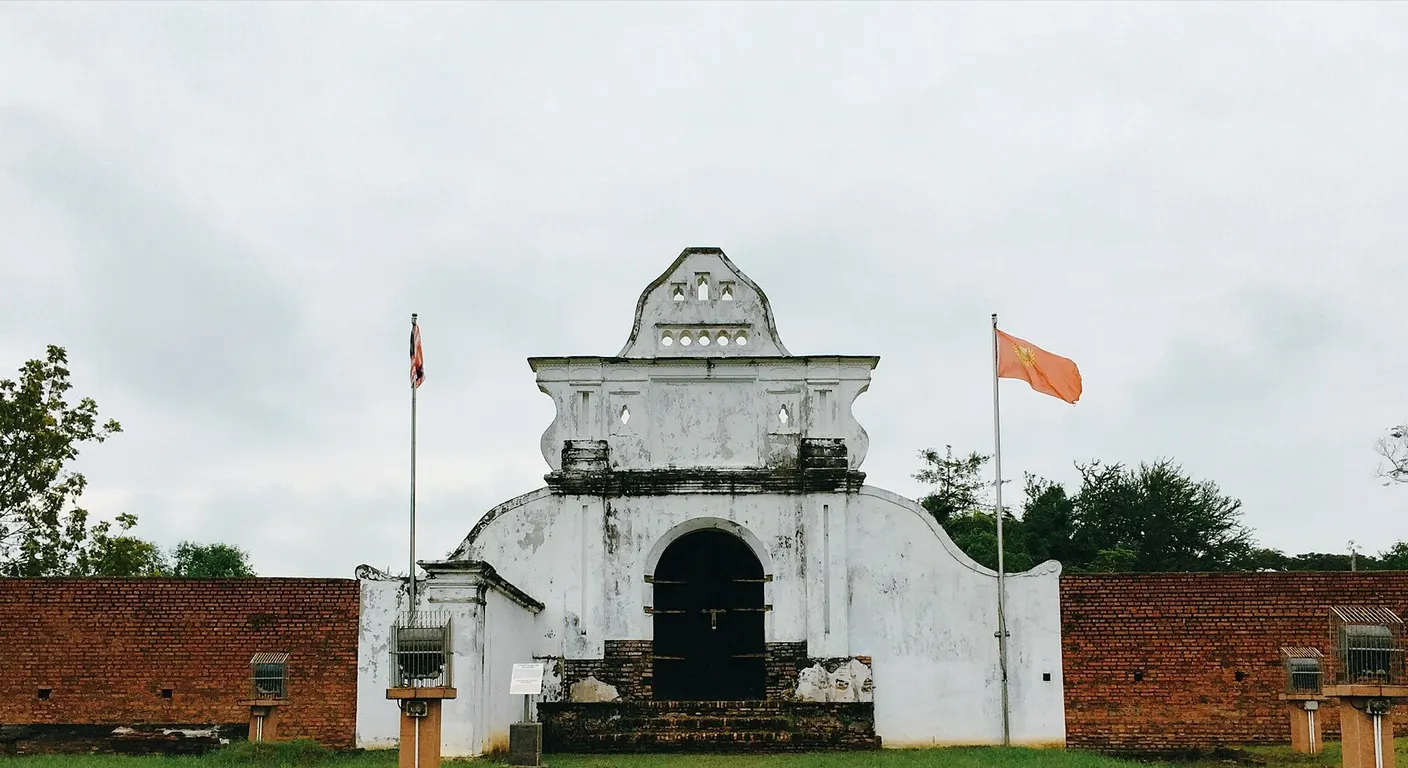
Bujang Valley Archaeological Museum
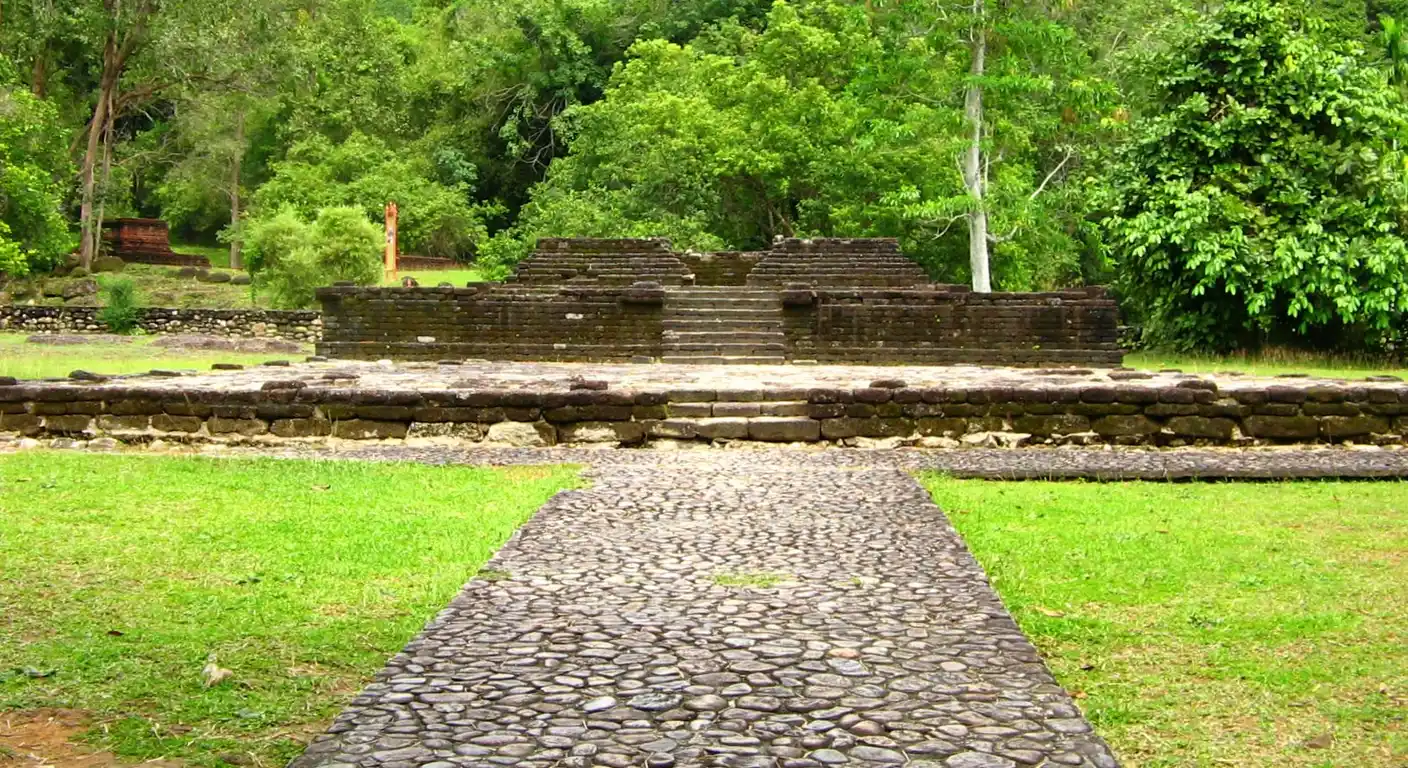
Photo: Imhadi at English Wikipedia · Public domain
Quick answer
Bujang Valley Archaeological Museum in Merbok, Malaysia — the Bujang Valley Archaeological Museum at Merbok, about 23 km from Sungai Petani in Kedah, was Malaysia's first museum of archaeology and displays finds from the Bujang Valley's ancient Hindu-Buddhist trading port. Open daily, 9:00 AM – 5:00 PM. Admission: free admission for all visitors. Allow 1.5–2 hours.
Visitor information last reviewed 22 October 2026. Check the official museum site for current details.
Bujang Valley Archaeological Museum at a glance: hours, tickets and time needed
| Opening hours | Daily: 9:00 AM – 5:00 PM |
|---|---|
| Closed | on the first Monday of each month, the first two days of Hari Raya Aidilfitri and the first day of Hari Raya Aidiladha |
| Last entry | 4:30 PM |
| Admission | Free admission for all visitors |
| Booking | Tickets usually available on the day |
| Time needed | 1.5–2 hours |
| Best time to visit | Any morning except the first Monday of the month, when the museum's brochure says it closes; last admission is 4:30 PM. |
| Getting there | Car: Leave the North–South Expressway at the Sungai Petani Utara or Selatan toll plaza, drive towards Sungai Petani and continue through Semeling to Merbok; the museum is about 23 km from Sungai Petani |
| Address | Muzium Arkeologi Lembah Bujang, Jabatan Muzium Malaysia, 08400 Merbok, Kedah, Malaysia |
| Official website | jmm.gov.my |
Checked 2026-10-22 against the official website. Prices and hours change — confirm before you travel.
What is Bujang Valley Archaeological Museum known for?
The Bujang Valley Archaeological Museum was built as Malaysia's first museum devoted to archaeology, to show the proto-historic, pre-Islamic finds of the Bujang Valley in southern Kedah. Sultan Abdul Halim Mu'adzam Shah of Kedah opened it on 23 January 1980. The Department of Museums Malaysia (JMM), which runs it, presents the valley as a leading Southeast Asian entrepôt from roughly the 2nd or 3rd century to the 12th–14th century CE, where Indian, Chinese and Arab traders met Malay merchants trading spices and forest produce such as gaharu and sandalwood, and as a centre of Hindu and Buddhist practice, including Mahayana Buddhism with Pala influences.
Archaeological work in the valley has gone on since the 1840s, and the museum's displays come from excavations across a study area that JMM puts at about 400 square kilometres. Until the 1970s the leading researchers were Western archaeologists such as H. G. Quaritch Wales, Dorothy Wales and Alastair Lamb; Malaysian universities and the national museum continued the work afterwards. More than 50 candi, or temple sites, have been uncovered. Since 2008 Universiti Sains Malaysia has excavated a separate complex at Sungai Batu, with iron-smelting sites and a clay-brick monument its excavators date to around 110 CE, greatly enlarging the known settlement area.
Two purpose-built galleries hold the displays. One covers religion and architecture, with Hindu-Buddhist figurines, votive tablets, somasutra (ritual water spouts) and a small stupa-shaped carving with a seated Buddha in each of its four corners. The other shows the valley as a trading centre between the 3rd and 14th centuries, with pottery, ceramics, glass beads and glass from West Asia. During a Ministry of Unity programme at the museum in November 2024, highlights shown to the Sultan of Kedah included the Sungai Mas inscribed stone bearing Buddhist mantras and a granite statue of Ganesha. Outside, remains of Hindu and Buddhist temples stand in situ among rainforest.
Entry is free. JMM's web listing gives opening hours of 9:00 AM to 5:00 PM daily, closing on the first two days of Hari Raya Aidilfitri and the first day of Hari Raya Aidiladha; its printed brochure adds a closure on the first Monday of each month and last admission at 4:30 PM. Researchers can use a library and the reference collection with help from trained staff, and official groups of more than ten can request a staff-led drive-around tour of the sites. The museum lies about 23 km from Sungai Petani, and a heritage trail runs from the museum to the summit of Gunung Jerai.
Best for: Archaeology Lovers · History Enthusiasts · Budget Travellers
What are the must-see works at Bujang Valley Archaeological Museum?
5 highlights that define the collection: Stupa carving with four seated Buddhas, Sungai Mas inscribed stone, Granite Ganesha and more.
Stupa carving with four seated Buddhas
Buddhist stone sculpture · Bujang Valley
A small stone sculpture shaped like a stupa, with an image of the Buddha seated in each of its four corners, pictured in JMM's printed brochure for the museum.
Sungai Mas inscribed stone
Buddhist inscription · Sungai Mas site, ancient Kedah
An inscribed stone bearing Buddhist mantras, reported by RTM among the artefacts shown to the Sultan of Kedah in the museum's galleries in November 2024.
Granite Ganesha
Hindu sculpture · Bujang Valley
A granite statue of the elephant-headed Hindu deity Ganesha, one of the highlights named in the same 2024 RTM report and evidence of Hindu worship among the valley's traders.
Votive tablets and somasutra
Hindu-Buddhist temple objects · Bujang Valley
📍 Religion and architecture gallery
Votive tablets, figurines and somasutra, the spouts that carried ritual water out of temple shrines, showing how the candi were used for worship by Hindu-Buddhist merchants.
In-situ candi ruins
Hindu and Buddhist temple architecture
📍 Museum grounds, Bukit Batu Pahat
Remains of Hindu and Buddhist temples preserved where they were found, set against tropical rainforest within the museum area.
Collections and highlights
- • Hindu-Buddhist sculpture and figurines
- • Votive tablets and somasutra (ritual water spouts)
- • Trade pottery, ceramics, glass beads and West Asian glass
- • Inscribed stones
- • In-situ Hindu and Buddhist temple ruins
- • Archaeological reference collection and library
Tips for visiting Bujang Valley Archaeological Museum
- 1.
Best time to visit
Any morning except the first Monday of the month, when the museum's brochure says it closes; last admission is 4:30 PM. No Friday midday closure is published. Arriving early leaves time for the outdoor temple remains.
- 2.
Tickets & booking
Free; no ticket or booking needed for individuals. Official groups of more than ten can request a staff-led drive-around tour of the sites by contacting the museum (+6011-33091160) in advance.
- 3.
Accessibility
No accessibility information is published. The temple remains are spread across the grounds on Bukit Batu Pahat, so contact the museum before visiting if you have mobility needs.
- 4.
Photography rules
JMM publishes no photography rules for this museum; ask staff before photographing the galleries and avoid flash. The candi remains are in the open air.
How do you get to Bujang Valley Archaeological Museum?
- car Leave the North–South Expressway at the Sungai Petani Utara or Selatan toll plaza, drive towards Sungai Petani and continue through Semeling to Merbok; the museum is about 23 km from Sungai Petani
- bus JMM suggests the Sungai Petani shuttle bus from the Sungai Petani bus terminal to Merbok
- taxi Taxi or Grab from Sungai Petani town, as the museum's brochure advises for visitors without their own transport
Address: Muzium Arkeologi Lembah Bujang, Jabatan Muzium Malaysia, 08400 Merbok, Kedah, Malaysia
Sources we checked
Visitor facts and history on this page come from these sources, checked on the dates shown.
- Lembah Bujang Archaeological Museum — Department of Museums Malaysia (JMM), checked 22 October 2026
- Muzium Arkeologi Lembah Bujang — Jabatan Muzium Malaysia (JMM), checked 22 October 2026
- Muzium Arkeologi Lembah Bujang (older directory page) — Jabatan Muzium Malaysia (JMM), checked 22 October 2026
- Muzium Arkeologi Lembah Bujang / Bujang Valley Archaeological Museum (brochure) — Jabatan Muzium Malaysia (JMM), checked 22 October 2026
- Kementerian Perpaduan komited martabat warisan sejarah arkeologi Lembah Bujang (2 November 2024) — Berita RTM, checked 22 October 2026
- Bujang Valley — Wikipedia, checked 22 October 2026
Bujang Valley Archaeological Museum: frequently asked questions
How much is the entrance fee for the Bujang Valley Archaeological Museum?
There is no fee. The Department of Museums Malaysia (JMM), which runs the museum, lists entry as free for every visitor, and no ticket or booking is needed for individuals. Official groups of more than ten people can ask for a drive-around tour of the archaeological sites led by experienced staff, and researchers can arrange to use the museum's library and reference collection.
Where is the Bujang Valley Archaeological Museum and how do I get there?
The museum stands on Bukit Batu Pahat at Merbok in Kedah, about 23 km from Sungai Petani. Drivers can leave the North–South Expressway at the Sungai Petani Utara or Selatan toll plaza, head towards Sungai Petani and continue through Semeling to Merbok. Without a car, JMM suggests the Sungai Petani shuttle bus from the Sungai Petani bus terminal to Merbok, or a taxi from town.
How long should I spend at the Bujang Valley Archaeological Museum?
Plan 1.5–2 hours for the highlights of Bujang Valley Archaeological Museum. Add extra time for temporary exhibitions, the shop and the café.
What are the highlights of the Bujang Valley Archaeological Museum?
Inside, look for a small stone sculpture shaped like a stupa with a seated Buddha in each of its four corners, Hindu-Buddhist figurines, votive tablets and somasutra (ritual water spouts) from temple sites, and trade goods such as pottery, beads and glass from West Asia. RTM reported the Sungai Mas inscribed stone with Buddhist mantras and a granite Ganesha among the highlights in 2024. Outside, temple ruins remain in situ.
Can I take photos inside the Bujang Valley Archaeological Museum?
JMM does not publish a photography policy for this museum, so ask the staff at the entrance before photographing the galleries and avoid flash near the sculpture. The temple remains in the grounds are in the open air among rainforest, and the museum describes the riverside setting, with its tropical greenery, flora and fauna, as part of the visit.
Is the Bujang Valley Archaeological Museum open on Fridays and Mondays?
JMM lists the museum as open every day from 9:00 AM to 5:00 PM, and neither its web page nor its brochure mentions a Friday midday break. The brochure does, however, list a closure on the first Monday of each month, which the web page omits, plus the first two days of Hari Raya Aidilfitri and the first day of Hari Raya Aidiladha. Last admission is 4:30 PM.
What was the Bujang Valley?
JMM describes the Bujang Valley as a major entrepôt and a centre of Hindu and Buddhist practice in Southeast Asia between about the 2nd or 3rd and the 12th to 14th centuries CE. Traders from India, China and Arabia met Malay merchants dealing in spices and forest produce such as gaharu and sandalwood, and Chinese, Arab and Indian writers recorded a prosperous kingdom there.
What are Bujang Valley Archaeological Museum's opening hours?
Bujang Valley Archaeological Museum is open daily, 9:00 AM – 5:00 PM, and closed on the first Monday of each month, the first two days of Hari Raya Aidilfitri and the first day of Hari Raya Aidiladha. Last entry: 4:30 PM. Hours can change for holidays and events, so check the official website before you go.
Is Bujang Valley Archaeological Museum free to visit?
Yes — free admission for all visitors.