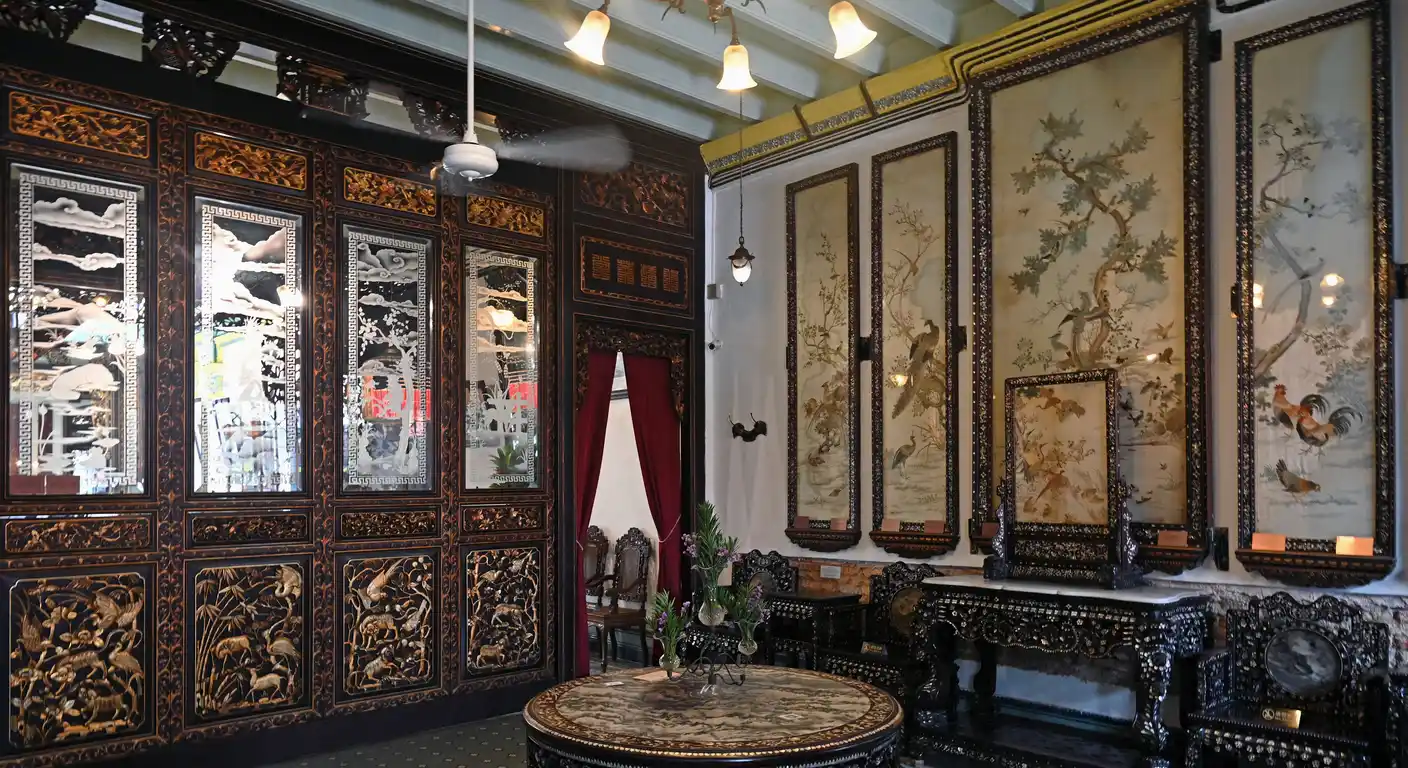
Stadthuys History and Ethnography Museum
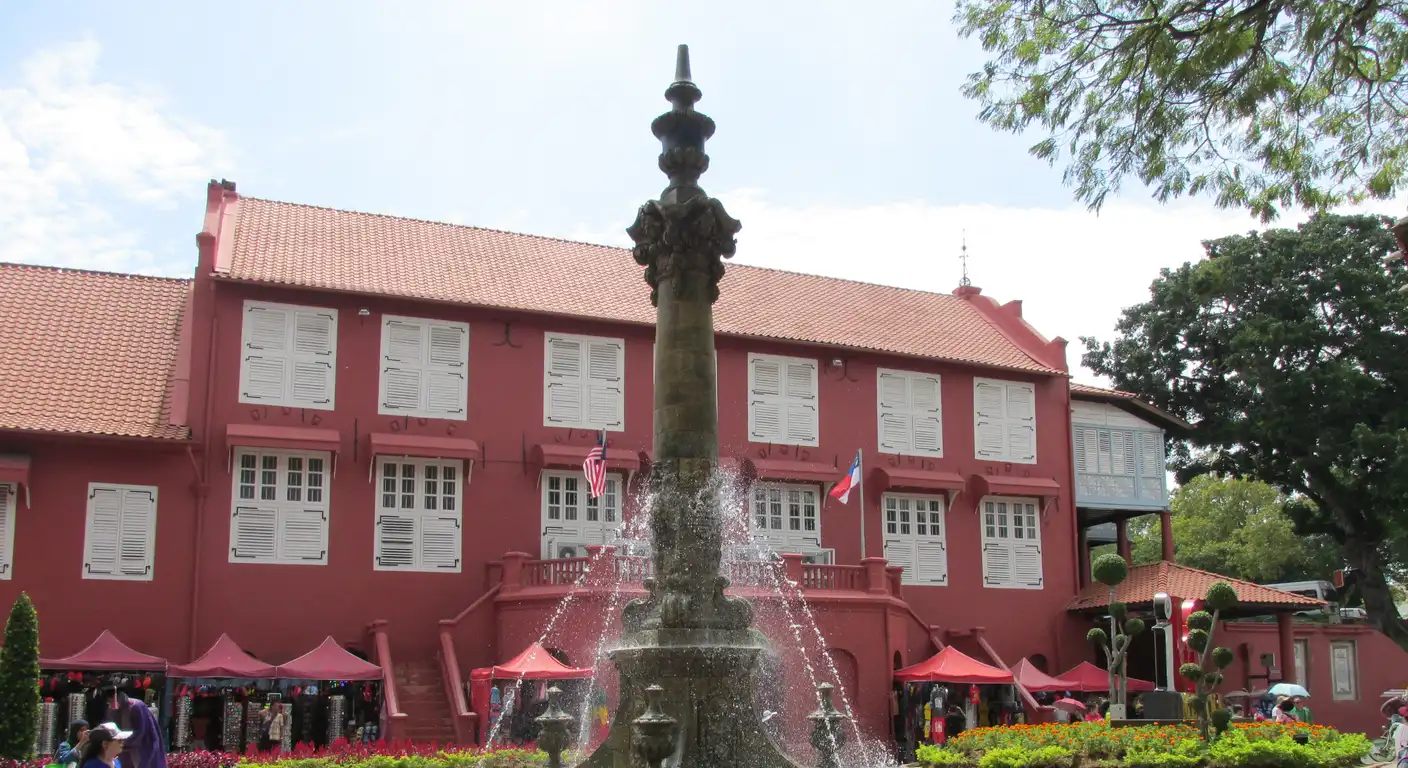
Photo: Orderinchaos · CC BY-SA 4.0
Quick answer
Stadthuys History and Ethnography Museum in Melaka, Malaysia — the Stadthuys, the 17th-century red Dutch town hall on Melaka's Dutch Square, houses the History and Ethnography Museum, which traces Melaka from the Malay Sultanate through Portuguese, Dutch, British and Japanese rule to independence. Open Tuesday to Sunday: 9:00 AM – 5:30 PM, last entry 4:30 PM; closed Mondays. Admission: RM10 for Malaysian adults; RM20 for foreign adults (one ticket covers six museums and galleries in the complex). Allow 2–3 hours.
Visitor information last reviewed 25 September 2026. Check the official museum site for current details.
Stadthuys History and Ethnography Museum at a glance: hours, tickets and time needed
| Opening hours | Tuesday to Sunday: 9:00 AM – 5:30 PM, last entry 4:30 PM |
|---|---|
| Closed | Mondays |
| Admission | RM10 for Malaysian adults; RM20 for foreign adults (one ticket covers six museums and galleries in the complex) |
| Booking | Tickets usually available on the day |
| Time needed | 2–3 hours |
| Best time to visit | Tuesday to Friday at the 9:00 AM opening, before the heat and the tour groups reach Dutch Square. |
| Getting there | Bus: BAS.MY Melaka route M100 from Melaka Sentral's domestic bus terminal loops through the city centre; ask the driver for the Stadthuys (the 'red house') |
| Address | Dutch Square (Jalan Gereja), Bandar Hilir, 75000 Melaka, Malaysia |
| Official website | perzim.gov.my |
Checked 2026-09-25 against the official website. Prices and hours change — confirm before you travel.
What is Stadthuys History and Ethnography Museum known for?
The Stadthuys, an old Dutch spelling of 'town hall', was built by the Dutch in the mid-17th century, commonly dated to 1650, as the office of the Dutch Governor and Deputy Governor of Melaka. It is often described as the oldest surviving Dutch building in the East. After the British took over Melaka in the 19th century it continued in use as the Treasury, Post Office, government offices and apartments for senior officials. Painted red like the clock tower and Christ Church beside it, the building forms the core of Dutch Square, the most recognisable view in the UNESCO-listed city.
Melaka's first state museum body was set up in 1954, and on 17 December 1982 the Prime Minister opened the History Museum in the Stadthuys. The building closed in 1986 for restoration and reopened on 15 April 1992 as the History and Ethnography Museum. Restoration work also brought to light an old well in the inner courtyard, known as the Portuguese Well. The museum is run by PERZIM (Perbadanan Muzium Melaka), the state museum corporation, which now manages 21 museums, five galleries and an art gallery across Melaka.
The History Museum traces Melaka from its founding and the Malay Sultanate through the Portuguese, Dutch, British and Japanese periods to independence, using archaeological finds, weapons, maps, dioramas and models of the town. The Ethnography Museum portrays the customs of Melaka's communities, including Malays, Chinese, Indians, Portuguese Eurasians, Baba-Nyonya and Chitty, through wedding costumes, kitchen utensils, musical instruments, porcelain, weapons and old currency. Within the same complex are the Admiral Cheng Ho Gallery, opened in 2003, the Literature Museum, the Education Museum in an 1884 British building, and the Governor's Museum in the former residence Seri Melaka.
The complex opens Tuesday to Sunday from 9:00 AM to 5:30 PM, with last entry at 4:30 PM, and closes on Mondays. One ticket, RM10 for Malaysian adults and RM20 for foreign adults, covers the History Museum, Ethnography Museum, Education Museum, Literature Museum, Governor's Museum and Cheng Ho Gallery. Guided visits can be arranged by contacting PERZIM in advance. Dutch Square is a short walk from St Paul's Hill and the Melaka Sultanate Palace Museum, and across the river from Jonker Walk and the Baba & Nyonya Heritage Museum.
Best for: History Enthusiasts · Architecture Enthusiasts · First-timers
How long do you need at Stadthuys History and Ethnography Museum?
Allow 2–3 hours. A focused route through 5 must-see highlights at Stadthuys History and Ethnography Museum without museum fatigue. Follow the stops in order:
- 1
History Museum
📍 Stadthuys, main building
Follow Melaka's story from the Sultanate through the Portuguese, Dutch, British and Japanese periods to independence.
- 2
Portuguese Well and courtyard
📍 Inner courtyard
Step into the courtyard to see the well rediscovered during the restoration.
- 3
Ethnography Museum
📍 Stadthuys complex
Compare the wedding costumes and household objects of Melaka's many communities.
- 4
Admiral Cheng Ho Gallery
📍 Stadthuys complex
Learn how Zheng He's Ming fleets tied Melaka to China in the 15th century.
- 5
Governor's Museum and Literature Museum
📍 Around Dutch Square
Use the same ticket for the former governor's residence and the literature collections.
What are the must-see works at Stadthuys History and Ethnography Museum?
5 highlights that define the collection: The Stadthuys building, Portuguese Well, Melaka communities ethnography displays and more.
The Stadthuys building
Dutch colonial architecture · mid-17th century
📍 Dutch Square
The red former Dutch town hall and governor's office, with rows of louvred shutters, often called the oldest surviving Dutch building in the East.
Portuguese Well
Uncovered during the Stadthuys restoration
📍 Inner courtyard
An old well in the Stadthuys courtyard, attributed to the Portuguese era, which was rediscovered by chance during restoration work on the building.
Melaka communities ethnography displays
Malay, Chinese, Indian, Eurasian, Baba-Nyonya and Chitty traditions
📍 Ethnography Museum
Wedding costumes, kitchenware, musical instruments, porcelain and currency showing the customs of the many communities that shaped Melaka.
Admiral Cheng Ho Gallery
Ming dynasty voyages · early 15th century
📍 Stadthuys complex
A gallery opened in 2003 on the Ming admiral Zheng He (Cheng Ho), his voyages to Southeast Asia and the links he forged between the Ming court and Melaka.
Governor's Museum (Seri Melaka)
Official residence until 1996
📍 Stadthuys complex
The former residence and office of the Yang di-Pertua Negeri of Melaka, with rooms kept in their original use and personal collections of successive governors.
Collections and highlights
- • History of Melaka from the Sultanate to independence
- • Portuguese, Dutch, British and Japanese colonial periods
- • Ethnography of Melaka's Malay, Chinese, Indian, Eurasian, Baba-Nyonya and Chitty communities
- • Weapons, porcelain and old currency
- • Admiral Cheng Ho Gallery
- • Literature Museum and Education Museum
- • Governor's Museum (Seri Melaka)
Tips for visiting Stadthuys History and Ethnography Museum
- 1.
Best time to visit
Tuesday to Friday at the 9:00 AM opening, before the heat and the tour groups reach Dutch Square. Closed Mondays; last entry 4:30 PM.
- 2.
Tickets & booking
Pay at the counter — RM10 Malaysian / RM20 foreign adults, RM5 / RM10 children. No advance booking; the one ticket covers six museums and galleries around the square.
- 3.
Accessibility
The 17th-century Stadthuys and neighbouring heritage buildings involve steps and uneven floors; contact PERZIM (+606 333 3333) in advance to ask about assistance.
- 4.
Photography rules
Visitors have generally been able to photograph the galleries without flash; follow any signs in individual rooms. The facade is best shot early in the morning before the square fills up.
How do you get to Stadthuys History and Ethnography Museum?
- bus BAS.MY Melaka route M100 from Melaka Sentral's domestic bus terminal loops through the city centre; ask the driver for the Stadthuys (the 'red house')
- taxi Grab or taxi from Melaka Sentral to Dutch Square takes about 15–20 minutes
- walk Dutch Square is the hub of the old town: 5 minutes across the Melaka River from Jonker Walk and the Baba & Nyonya Heritage Museum, and next to St Paul's Hill
Address: Dutch Square (Jalan Gereja), Bandar Hilir, 75000 Melaka, Malaysia
Stadthuys History and Ethnography Museum: frequently asked questions
How much does the Stadthuys museum cost and what does the ticket include?
PERZIM, the Melaka state museum corporation, charges RM10 for Malaysian adults and RM20 for foreign adults; children pay RM5, or RM10 for non-citizens. The single ticket covers the History Museum, the Ethnography Museum, the Education Museum, the Literature Museum, the Governor's Museum and the Admiral Cheng Ho Gallery, all in the Stadthuys complex around Dutch Square.
What are the Stadthuys museum's opening hours?
The complex opens Tuesday to Sunday from 9:00 AM to 5:30 PM, with last entry at 4:30 PM, and is closed on Mondays like other PERZIM museums. If you want to see all six museums and galleries on one ticket, arrive by early afternoon at the latest. Some older guides mention a midday break on Fridays, so check locally if visiting then.
How long should I spend at the Stadthuys?
Plan 2–3 hours for the highlights of Stadthuys History and Ethnography Museum. Our 5-stop route — History Museum, Portuguese Well and courtyard, Ethnography Museum and more — is designed to fit that time. Add extra time for temporary exhibitions, the shop and the café.
How old is the Stadthuys?
The Dutch built the Stadthuys in the mid-17th century, commonly dated to 1650, as the office of the Dutch Governor and Deputy Governor after they took Melaka from the Portuguese in 1641. It is often described as the oldest surviving Dutch building in the East. Under the British it served as the Treasury, Post Office and government offices before becoming a museum in 1982.
Is the Stadthuys the same as the Melaka Sultanate Palace Museum?
No. The Melaka Sultanate Palace Museum is a separate PERZIM museum in a wooden reconstruction of a Malay palace at the foot of St Paul's Hill, with its own ticket at the same RM10 and RM20 adult rates. The Stadthuys ticket covers only the six museums and galleries of the Dutch Square complex, so budget for both if you want the Sultanate story in depth.
How do I get to the Stadthuys?
The Stadthuys stands on Dutch Square, the hub of Melaka's old town, next to Christ Church and the red clock tower. From Melaka Sentral bus terminal, take BAS.MY Melaka route M100 and ask for the Stadthuys, or take a Grab for around 15–20 minutes. From Jonker Walk or the Baba & Nyonya Heritage Museum it is a five-minute walk across the river.
Can I book a guided tour?
Yes, on request. PERZIM says groups wanting a guided visit should contact the museum they plan to visit with the date, time and number of participants; its promotion unit can be reached on +606 282 6526. Individual visitors can explore on their own with the panels and displays, which run from Melaka's founding through the colonial eras to independence.
When is the best time to visit Dutch Square?
Go at 9:00 AM from Tuesday to Friday, when the galleries are cooler and the square is quiet. Dutch Square becomes crowded with trishaws and tour groups later in the day and especially at weekends. Remember that the complex is closed on Mondays, while the nearby Baba & Nyonya Heritage Museum closes on Tuesdays.
Is Stadthuys History and Ethnography Museum open on Mondays?
No — Stadthuys History and Ethnography Museum is closed every Monday. It is open Tuesday to Sunday: 9:00 AM – 5:30 PM, last entry 4:30 PM. Plan a different museum for that day, and check the official website for holiday changes.
Is Stadthuys History and Ethnography Museum free to visit?
No — standard admission is RM10 for Malaysian adults; RM20 for foreign adults (one ticket covers six museums and galleries in the complex).