Neka Art Museum
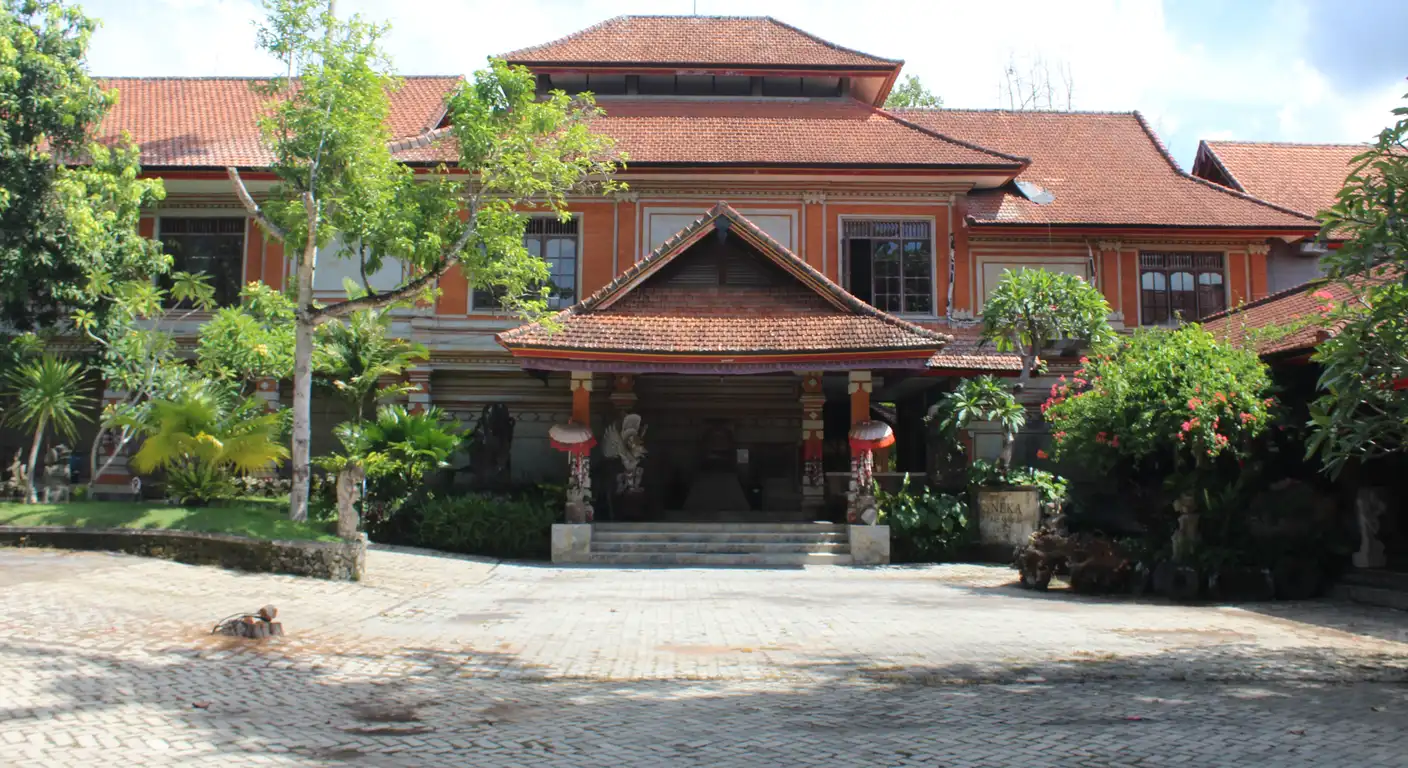
Photo: Harditaher · CC BY-SA 4.0
Quick answer
Neka Art Museum, founded by the collector Suteja Neka and opened in 1982, traces the development of painting in Bali through pavilions set in a garden overlooking a river valley in Sanggingan, north-west of central Ubud. Open daily, 9:00 AM – 5:00 PM. Admission: Rp150,000 for adults; Rp75,000 for students (with ID) and children aged 6–12; free for children under 6. Allow 2 hours.
Visitor information last reviewed 1 September 2026. Check the official museum site for current details.
Neka Art Museum at a glance: hours, tickets and time needed
| Opening hours | Daily: 9:00 AM – 5:00 PM |
|---|---|
| Closed | on Nyepi Day |
| Admission | Rp150,000 for adults; Rp75,000 for students (with ID) and children aged 6–12; free for children under 6 |
| Free or reduced entry | Children under 6: free · Students with ID and children aged 6–12: Rp75,000 · Temporary exhibitions: no ticket required |
| Booking | Tickets usually available on the day |
| Time needed | 2 hours |
| Best time to visit | Mornings are coolest for walking between the garden pavilions; arrive by 4:30 PM at the latest (last entry). |
| Getting there | Taxi: Taxi, Grab or Gojek from Ubud Palace to Jalan Raya Sanggingan — about 10 minutes |
| Address | Jalan Raya Sanggingan Campuhan, Kedewatan, Ubud, Gianyar, Bali 80571, Indonesia |
| Official website | nekaartmuseum.com |
Checked 2026-09-01 against the official website. Prices and hours change — confirm before you travel.
What is Neka Art Museum known for?
Pande Wayan Suteja Neka, son of the renowned woodcarver I Wayan Neka, opened one of Ubud's first art galleries in 1966 with his wife Ni Gusti Made Srimin. Seeing much of Bali's best art sold abroad, he began collecting to document and preserve Balinese painting, advised by artists such as Rudolf Bonnet and Arie Smit. A 1975 trip with Bonnet to museums overseas, where he saw fine Balinese works that could not be seen in Indonesia, convinced him to create a museum. Established in 1976, it was officially opened on 7 July 1982 by education minister Daoed Joesoef.
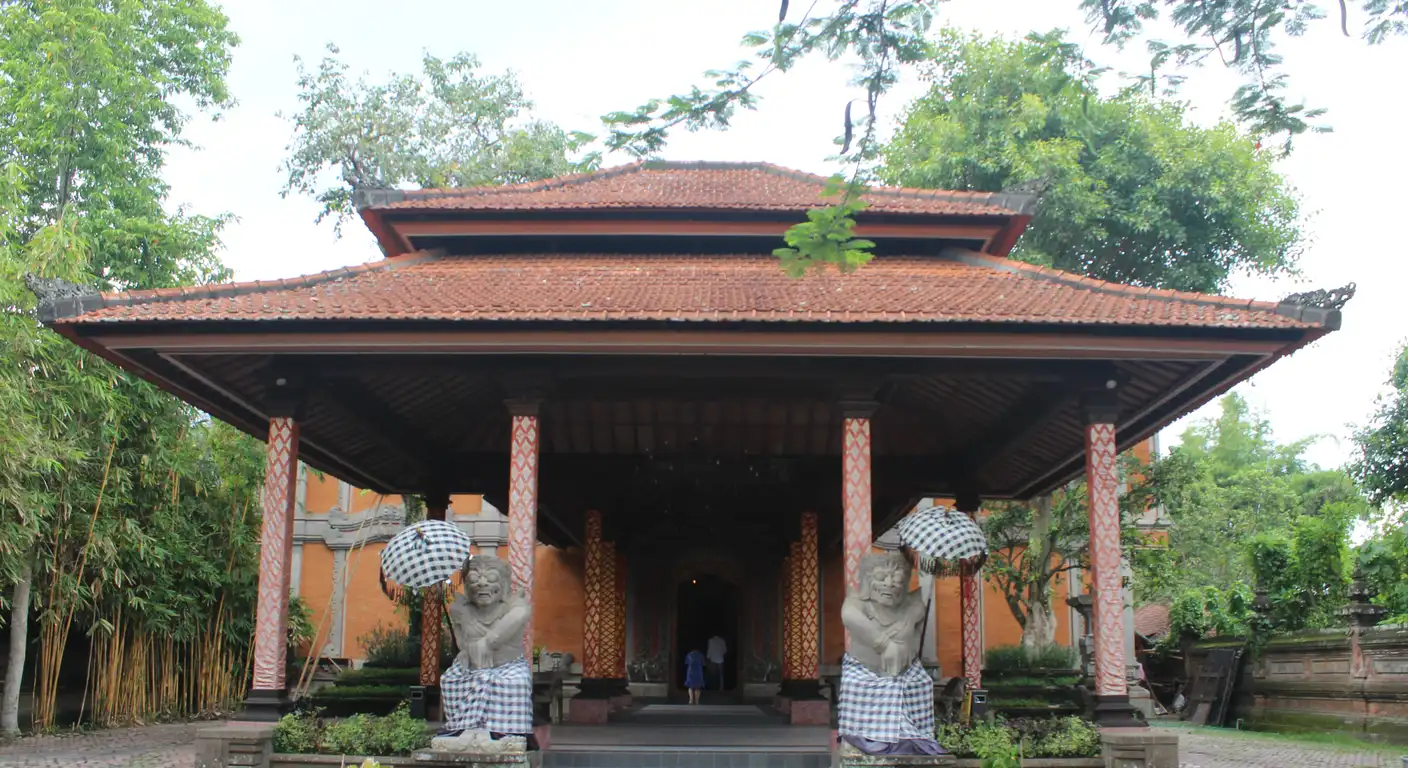
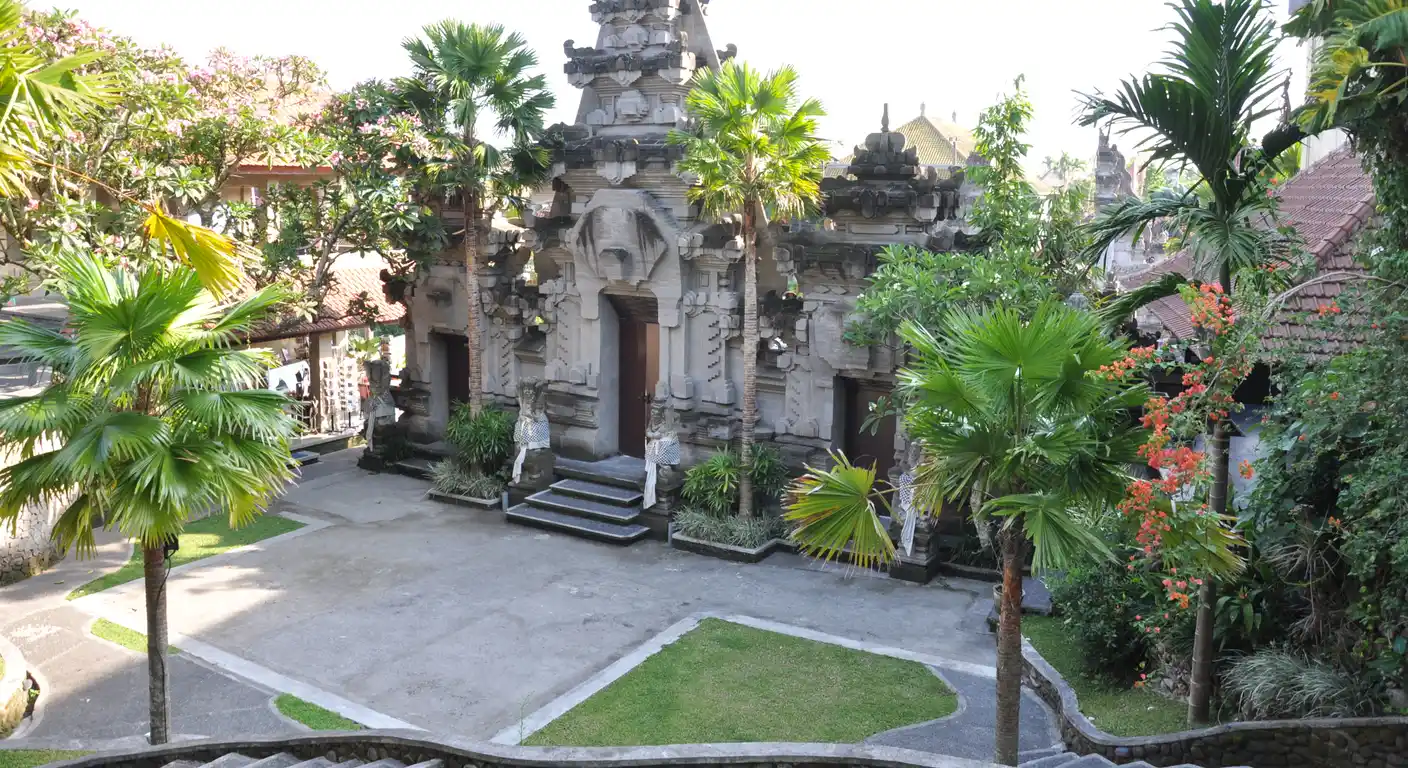
Spread over about a hectare in Sanggingan, the museum is laid out like a Balinese family compound: visitors walk through separate pavilions around an open garden, or natah, overlooking a river valley. The Bale Sumanggen houses the ticket office, shop and temporary exhibition hall. Between 2020 and 2021 the founder's son, PM Kardi Suteja, renovated old buildings, added new ones and rearranged the collection, and the 'reborn' museum reopened on 22 April 2022. Amenities include free lockers, an English audio guide, a library of more than 10,000 volumes and the Drupadi Café.
The Balinese Painting Pavilion introduces the island's main styles — Kamasan puppet-style painting, transitional work from North Bali, the Western-influenced Ubud style and the dense Batuan style — with works such as Anak Agung Gde Sobrat's The Bumblebee Dance and I Wayan Bendi's satirical Busy Bali. Further pavilions are devoted to Arie Smit and the Young Artists of Penestanan, to Affandi, and to I Gusti Nyoman Lempad. The Indonesian Contemporary Pavilion and the East-West Art Annex show artists from across Indonesia alongside foreign painters inspired by Bali, including Bonnet, Willem Hofker, Donald Friend, Theo Meier and Antonio Blanco.
Two further collections set Neka apart. The Keris Pavilion displays historic Balinese and post-independence keris, reflecting the founder's descent from a clan of royal blacksmiths; its heirlooms include the 18th-century Ki Baju Rante. The Photography Pavilion shows black-and-white images of Balinese dance, ritual and market life taken by the American Robert Koke from the 1930s to the early 1940s. Tickets are sold in person only and cover the permanent collection, temporary exhibitions need no ticket, and last entry is 30 minutes before the 5 PM closing.
Best for: Art Lovers · Culture seekers · First-timers
How long do you need at Neka Art Museum?
Allow 2 hours. A walk through the museum's pavilions in the order the founder intended, from classical Balinese painting to foreign artists and the keris collection. Follow the stops in order:
- 1
Balinese Painting Pavilion
📍 Balinese Painting Pavilion
Follow the styles in sequence — Kamasan, transitional, Ubud and Batuan — and find Sobrat's Bumblebee Dance and Bendi's Busy Bali.
- 2
Arie Smit Pavilion
📍 Arie Smit Pavilion
Smit's glowing 'broken colour' landscapes hang beside the naive, bright scenes of the Young Artists he mentored in Penestanan.
- 3
Lempad and Affandi pavilions
📍 Lempad Pavilion and Affandi Pavilion
Contrast Lempad's fine ink line with the thick, finger-worked impasto of Affandi, a close friend of the founder.
- 4
East-West Art Annex
📍 East-West Art Annex
Indonesian modernists downstairs; upstairs, Bonnet, Hofker, Donald Friend, Theo Meier and Asian artists inspired by Bali.
- 5
Keris and Photography pavilions
📍 Keris Pavilion and Photography Pavilion
Finish with heirloom blades such as Ki Baju Rante and Robert Koke's photographs of 1930s Bali.
What are the must-see works at Neka Art Museum?
5 highlights that define the collection: The Bumblebee Dance, Busy Bali, Temptation of Arjuna and more.
The Bumblebee Dance
Anak Agung Gde Sobrat
📍 Balinese Painting Pavilion
An Ubud-style painting by one of the leading Balinese painters of his generation, who learned landscape from Walter Spies and portraiture from Rudolf Bonnet.
Busy Bali
I Wayan Bendi
📍 Balinese Painting Pavilion
A densely packed Batuan-style panorama by an artist known for caricaturing visitors, reflecting on the effects of mass tourism on Balinese life.
Temptation of Arjuna
Rudolf Bonnet
📍 East-West Art Annex
A work by the Dutch artist who co-founded the Pitamaha movement and advised Suteja Neka, showing the epic hero Arjuna tested during his meditation.
Ki Baju Rante keris
Mpu Pande Rudaya · 18th century
📍 Keris Pavilion
A straight-bladed heirloom keris by the royal blacksmith of Karangasem, famed for piercing chain mail; each side of the blade carries a different pamor pattern.
Robert Koke's Bali photographs
Robert Koke · 1930s–early 1940s
📍 Photography Pavilion
Black-and-white photographs of Kecak and Kebyar dances, cremation ceremonies and market life, recording Bali in one of its most creative eras.
Collections and highlights
- • Kamasan (classical puppet-style) painting
- • Ubud and Batuan style painting
- • Arie Smit and the Young Artists
- • Affandi pavilion
- • I Gusti Nyoman Lempad
- • Contemporary Indonesian art
- • Foreign and Asian artists inspired by Bali
- • Balinese and post-independence keris
- • 1930s–1940s photographs by Robert Koke
- • Balinese sculpture
Tips for visiting Neka Art Museum
- 1.
Best time to visit
Mornings are coolest for walking between the garden pavilions; arrive by 4:30 PM at the latest (last entry). Weekdays outside the July–August peak are quietest.
- 2.
Tickets & booking
Tickets are sold in person only — last published rates Rp150,000 adults, Rp75,000 students and ages 6–12, under-6s free. No advance booking is needed, and temporary exhibitions are free.
- 3.
Accessibility
The collection is spread across separate pavilions on landscaped grounds with a lower-ground level and steps between buildings; ask staff at the lobby about the easiest route.
- 4.
Photography rules
Non-flash personal photography is generally fine according to visitor guides; flash and tripods may be restricted. Leave large bags in the free lobby lockers.
How do you get to Neka Art Museum?
- taxi Taxi, Grab or Gojek from Ubud Palace to Jalan Raya Sanggingan — about 10 minutes
- walk About 40 minutes from central Ubud, west over the Campuhan bridge and north along Jalan Raya Sanggingan (busy road, uphill in places)
- car Free visitor parking on site, open 9 AM–5 PM; from Ngurah Rai International Airport allow 1–1.5 hours
Address: Jalan Raya Sanggingan Campuhan, Kedewatan, Ubud, Gianyar, Bali 80571, Indonesia
Neka Art Museum: frequently asked questions
How much is admission to Neka Art Museum?
The museum's last published rates are Rp150,000 for adults and Rp75,000 for students with ID and children aged 6–12, with under-6s free. The current Plan Your Visit page no longer shows the price table, so confirm at the desk. Tickets can only be bought in person and cover the permanent collection; temporary exhibitions need no ticket.
What are the opening hours?
The museum and gift shop are open daily from 9:00 AM to 5:00 PM, with last entry 30 minutes before closing, and the museum closes on Nyepi, the Balinese Day of Silence. The Drupadi Café keeps the same 9 AM–5 PM hours, and the car park is free for museum visitors during opening times.
How do I get to Neka Art Museum?
Neka is on Jalan Raya Sanggingan in Kedewatan, north-west of central Ubud beyond the Campuhan bridge. From Ubud Palace it takes roughly 10 minutes by taxi, Grab/Gojek or scooter, or about 40 minutes on foot along the busy main road. There is a free car park on site, and the drive from Ngurah Rai International Airport takes around 1–1.5 hours.
How long should I spend at Neka?
Plan 2 hours for the highlights of Neka Art Museum. Our 5-stop route — Balinese Painting Pavilion, Arie Smit Pavilion, Lempad and Affandi pavilions and more — is designed to fit that time. Add extra time for temporary exhibitions, the shop and the café.
What is in the Keris Pavilion?
Suteja Neka, a member of the Pande blacksmith clan, built up a keris collection from the mid-2000s. The pavilion shows historic Balinese keris and post-independence (Kamardikan) blades — among them around 27 heirlooms given by royal houses and master smiths. Look for Ki Baju Rante, an 18th-century blade from Karangasem famed for piercing chain mail.
Can I bring a backpack, and are there lockers?
Large backpacks and other items restricted by the museum's visitor guidelines must be left in the free lockers at the lobby, where the tour starts. Free Wi-Fi covers the museum buildings, toilets are on the lower ground level near the souvenir shop, and an English audio guide is available for the painting pavilions.
Can I take photos at Neka Art Museum?
According to visitor guides, personal photography without flash is generally permitted in the pavilions, while flash and tripods may be restricted to protect the works; check the visitor guidelines at the lobby. The garden setting above the river valley is a popular spot for photos between pavilions.
Is Neka Art Museum open on Mondays?
Yes — Neka Art Museum is open every day of the week, including Mondays and Sundays: 9:00 AM – 5:00 PM. It closes on on Nyepi Day. Check the official website for holiday hours.
Is Neka Art Museum free to visit?
Not for everyone. Standard admission: Rp150,000 for adults; Rp75,000 for students (with ID) and children aged 6–12; free for children under 6. Free or reduced entry: Children under 6: free; Students with ID and children aged 6–12: Rp75,000; Temporary exhibitions: no ticket required.