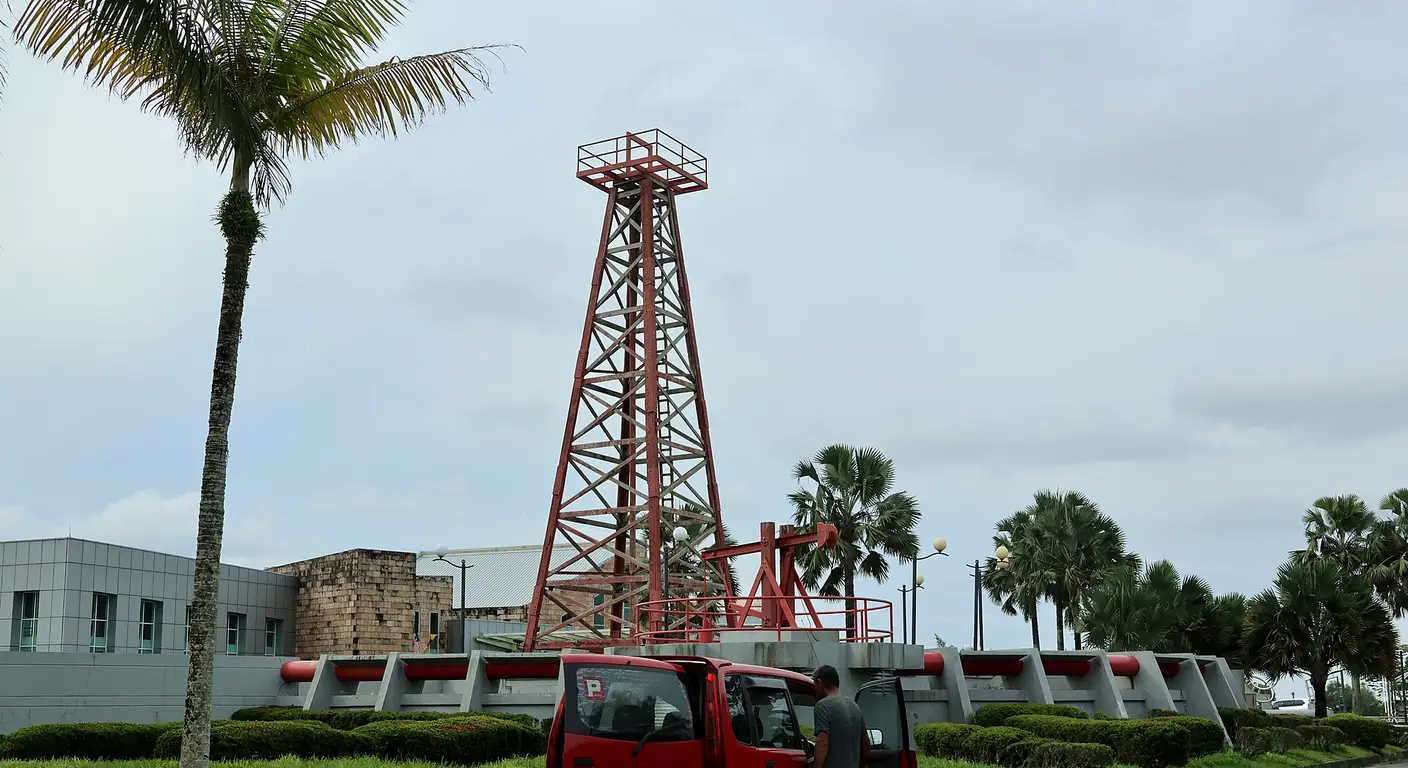
Niah Archaeology Museum

Quick answer
Niah Archaeology Museum in Miri, Malaysia — the Niah Archaeology Museum is the Sarawak Museum Department's free site museum in Niah National Park, about 1.5 hours' drive from Miri, close to the UNESCO-listed Niah Caves. Open Monday to Friday: 9:00 AM – 4:45 PM; Saturday, Sunday and public holidays: 10:00 AM – 4:00 PM. Admission: free admission for all visitors. Allow 45 minutes.
Visitor information last reviewed 22 October 2026. Check the official museum site for current details.
Niah Archaeology Museum at a glance: hours, tickets and time needed
| Opening hours | Monday to Friday: 9:00 AM – 4:45 PM; Saturday, Sunday and public holidays: 10:00 AM – 4:00 PM |
|---|---|
| Closed | on the first day of Chinese New Year, Hari Raya Aidilfitri and Gawai, and on Labour Day, National Day, the Sarawak Governor's birthday and Christmas Day |
| Admission | Free admission for all visitors |
| Booking | Tickets usually available on the day |
| Time needed | 45 minutes |
| Best time to visit | March to September, when Sarawak Tourism says the weather is drier. |
| Getting there | Car: About a 1.5-hour drive from Miri to Niah National Park, where the museum stands close to the cave sites |
| Address | Niah National Park, near Batu Niah, Miri Division, Sarawak, Malaysia (about 1.5 hours' drive from Miri) |
| Official website | museum.sarawak.gov.my |
Checked 2026-10-22 against the official website. Prices and hours change — confirm before you travel.
What is Niah Archaeology Museum known for?
The Niah Archaeology Museum is the Sarawak Museum Department's site museum for the Niah Caves, in Niah National Park in Miri Division. It stands close to the excavated cave sites and presents the prehistoric artefacts and culture of the area, with displays on the way of life of the people who lived in the caves over more than 40,000 years. The caves form the Archaeological Heritage of Niah National Park's Caves Complex, inscribed as a UNESCO World Heritage Site in 2024 for holding the longest known record of human interaction with rainforest, at least 50,000 years.
In October 1954 the Sarawak Museum's curator, Tom Harrisson, spent two weeks at the Great Cave with Michael Tweedie and Hugh Gibb and found evidence of long-term occupation and burial. A larger museum expedition in 1957, supported by Shell, recovered pottery, shell and bone tools and food remains. In February 1958 a team led by Barbara Harrisson excavated the 'Deep Skull' at the West Mouth of the Great Cave: the partial skull of a modern human, dated to roughly 37,000–40,000 years ago, which the department calls the earliest definite Homo sapiens found in Southeast Asia.
The same cave mouth held a Neolithic cemetery, where the department records more than 166 burials with stone implements and pottery. In the Painted Cave, a separate limestone outcrop about 150 metres from the Great Cave, wall paintings of boats and spread-eagle human figures stretch for some 200 feet, alongside boat-shaped wooden coffins known as death ships, Chinese stoneware and glass beads; radiocarbon dates on four death ships fall between AD 0 and 780. UNESCO notes that objects from the excavations are conserved and displayed in museums, while the rock paintings remain in place.
Museum admission is free. It opens Monday to Friday from 9:00 AM to 4:45 PM and on weekends and public holidays from 10:00 AM to 4:00 PM, closing on the first day of Chinese New Year, Hari Raya Aidilfitri and Gawai, and on Labour Day, National Day, the Governor's birthday and Christmas Day. The park, established in 1974, is managed by Sarawak Forestry Corporation and, according to Sarawak Tourism, opens daily from 8:00 AM to 5:00 PM; a trail of 3–4 km leads to the Great Cave and the Painted Cave. The park is about 1.5 hours' drive from Miri.
Best for: Archaeology Lovers · History Enthusiasts · Budget Travellers
What are the must-see works at Niah Archaeology Museum?
4 highlights that define the collection: West Mouth of the Great Cave, Painted Cave rock paintings, Death ships and more.
West Mouth of the Great Cave
Excavation site · Late Pleistocene to Neolithic
📍 Great Cave, Niah National Park (trail from the park)
The most important excavation at Niah, where the 'Deep Skull' was found in 1958 and more than 166 Neolithic burials with stone tools and pottery were recovered.
Painted Cave rock paintings
Prehistoric rock art · about 1,200 years old
📍 Painted Cave, Niah National Park
Wall paintings of boats and spread-eagle human figures stretching for some 200 feet along the cave wall, still in their original location.
Death ships
Boat-shaped wooden coffins · radiocarbon-dated AD 0–780
📍 Painted Cave, Niah National Park
Boat-shaped burial coffins found in the Painted Cave with Chinese stoneware and ancient glass beads, among the boat-shaped burials cited in the UNESCO listing.
Life in the Niah Caves displays
Sarawak Museum Department
📍 Niah Archaeology Museum
The museum's displays of prehistoric artefacts and of the way of life of the people who inhabited the caves thousands of years ago, the best introduction before walking to the sites.
Collections and highlights
- • Prehistoric artefacts and culture of the Niah area
- • Displays on the way of life of the Niah cave dwellers
- • History of the Niah excavations since 1954
- • Context for the Great Cave and Painted Cave sites
- • Neolithic burials and boat-shaped death ships
Tips for visiting Niah Archaeology Museum
- 1.
Best time to visit
March to September, when Sarawak Tourism says the weather is drier. Start early: the museum opens at 9:00 AM on weekdays (10:00 AM at weekends) and the cave trail takes several hours.
- 2.
Tickets & booking
Museum entry is free with no booking. Any park entry charges are set separately by Sarawak Forestry Corporation and were not verified; call +60 85-737 454 before travelling.
- 3.
Accessibility
No accessibility information is published for the museum; contact the Sarawak Museum Department before visiting. The caves are reached by a 3–4 km forest trail that can be muddy and slippery.
- 4.
Photography rules
No photography policy is published. Do not touch or use flash on the Painted Cave paintings, which UNESCO says are fading; bring a torch for the dark caves.
How do you get to Niah Archaeology Museum?
- car About a 1.5-hour drive from Miri to Niah National Park, where the museum stands close to the cave sites
- taxi A short taxi ride from the nearby town of Batu Niah to the national park
Address: Niah National Park, near Batu Niah, Miri Division, Sarawak, Malaysia (about 1.5 hours' drive from Miri)
Sources we checked
Visitor facts and history on this page come from these sources, checked on the dates shown.
- Niah Archaeology Museum - Sarawak Museum Department (Wayback Machine snapshot of the official page, 5 Oct 2026) — Sarawak Museum Department (Jabatan Muzium Sarawak), checked 22 October 2026
- Niah Archaeology Museum (2018 version of the Sarawak Museum Department page) — Sarawak Museum Department (Jabatan Muzium Sarawak), checked 22 October 2026
- Archaeology - Collection (Sarawak Museum Department, archived 2018) — Sarawak Museum Department (Jabatan Muzium Sarawak), checked 22 October 2026
- The Archaeological Heritage of Niah National Park's Caves Complex (UNESCO World Heritage Centre, snapshot of 30 Dec 2025) — UNESCO World Heritage Centre, checked 22 October 2026
- Niah National Park | Sarawak Tourism Board — Sarawak Tourism Board, checked 22 October 2026
- Niah National Park (Miri) | Sarawak Tourism Board — Sarawak Tourism Board, checked 22 October 2026
- Niah National Park — Wikipedia, checked 22 October 2026
Niah Archaeology Museum: frequently asked questions
How much is the entrance fee for the Niah Archaeology Museum?
The museum itself is free: the Sarawak Museum Department lists its admission as free for all visitors. It stands inside Niah National Park, which is managed by Sarawak Forestry Corporation, and any park entry charges are set separately by Sarawak Forestry and were not published in the sources we could check. Call Sarawak Forestry on +60 85-737 454 before you travel to confirm any park fees.
Where is the Niah Archaeology Museum and how do I get there?
The museum is in Niah National Park in Miri Division, close to the archaeological sites of the Niah Caves. Sarawak Tourism says the park is about a 1.5-hour drive from Miri, or a short taxi ride from the nearby town of Batu Niah. Most visitors come by car or on a day trip from Miri; no public transport details are published by the park or the museum.
How long should I spend at the Niah Archaeology Museum?
Plan 45 minutes for the highlights of Niah Archaeology Museum. Add extra time for temporary exhibitions, the shop and the café.
What are the highlights of the Niah Archaeology Museum?
Inside, the department says the displays show prehistoric artefacts and the way of life of the people who lived at Niah over more than 40,000 years. The museum is the starting point for the sites themselves: the West Mouth of the Great Cave, where the 'Deep Skull' was excavated in 1958, and the Painted Cave, with its prehistoric rock paintings and boat-shaped 'death ship' coffins.
Can I take photos inside the Niah Archaeology Museum?
No photography policy is published for the museum; follow any signs and ask staff if unsure. At the Painted Cave, never touch the rock paintings and avoid flash: UNESCO lists the fading of the paintings and algal growth at the excavated sites among the main conservation challenges at Niah. Parts of the caves are very dark, so a torch is more useful than flash.
Why are the Niah Caves a UNESCO World Heritage Site?
UNESCO inscribed the Archaeological Heritage of Niah National Park's Caves Complex in 2024. It says the colossal, interconnected caves hold the longest known record of human interaction with rainforest, spanning at least 50,000 years from the Pleistocene to the Mid-Holocene, through archaeological deposits, rock paintings and boat-shaped burials. Local communities still follow the molong tradition, taking only what they need when harvesting guano and edible birds' nests.
What should I bring to the Niah Caves?
Sarawak Tourism advises sturdy shoes, because the trail can be muddy and slippery, and a torch, as parts of the caves are very dark. Guides can be hired for historical insight. It suggests March to September as the best time to visit, when the weather is drier; temperatures range from about 24°C to 32°C, with frequent rain from November to February.
What are Niah Archaeology Museum's opening hours?
Niah Archaeology Museum is open Monday to Friday: 9:00 AM – 4:45 PM; Saturday, Sunday and public holidays: 10:00 AM – 4:00 PM, and closed on the first day of Chinese New Year, Hari Raya Aidilfitri and Gawai, and on Labour Day, National Day, the Sarawak Governor's birthday and Christmas Day. Hours can change for holidays and events, so check the official website before you go.
Is Niah Archaeology Museum free to visit?
Yes — free admission for all visitors.