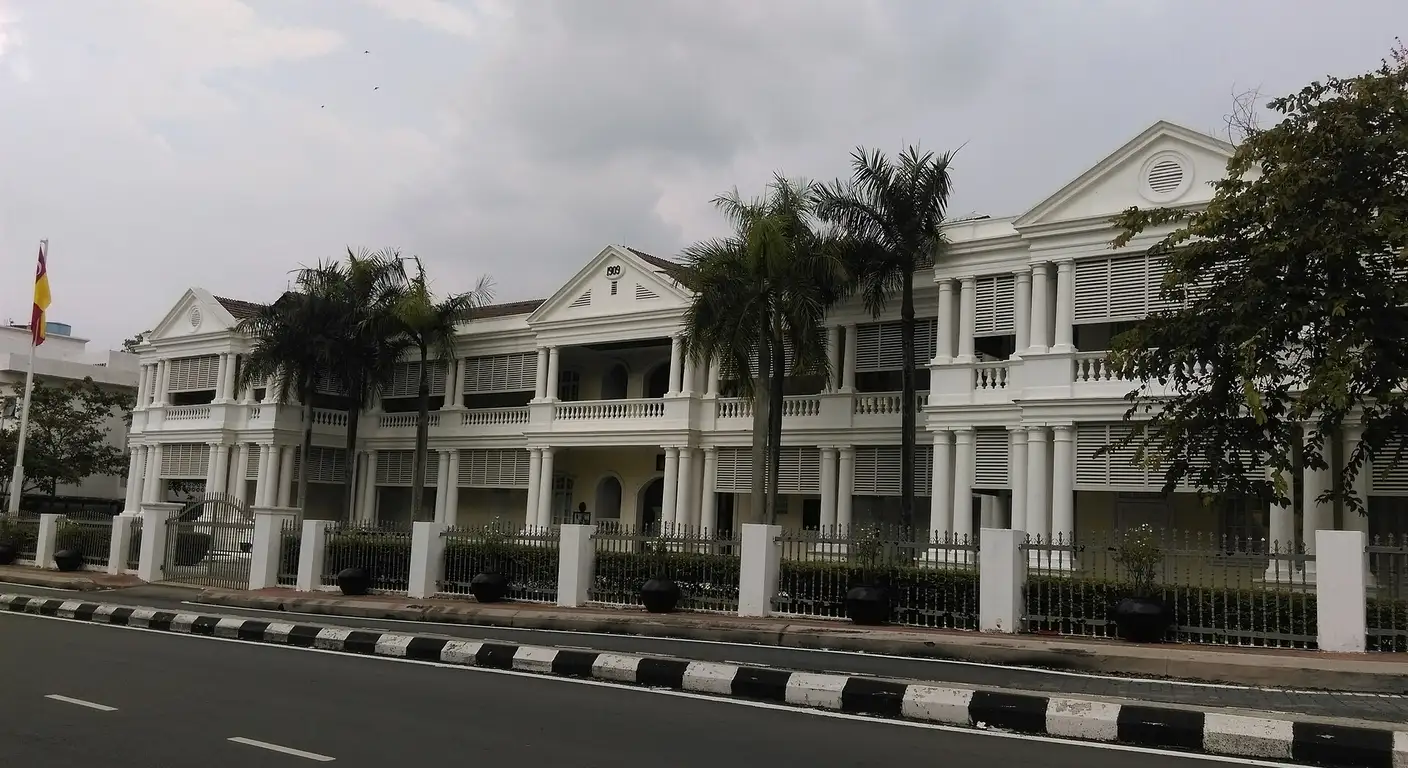
Orang Asli Museum
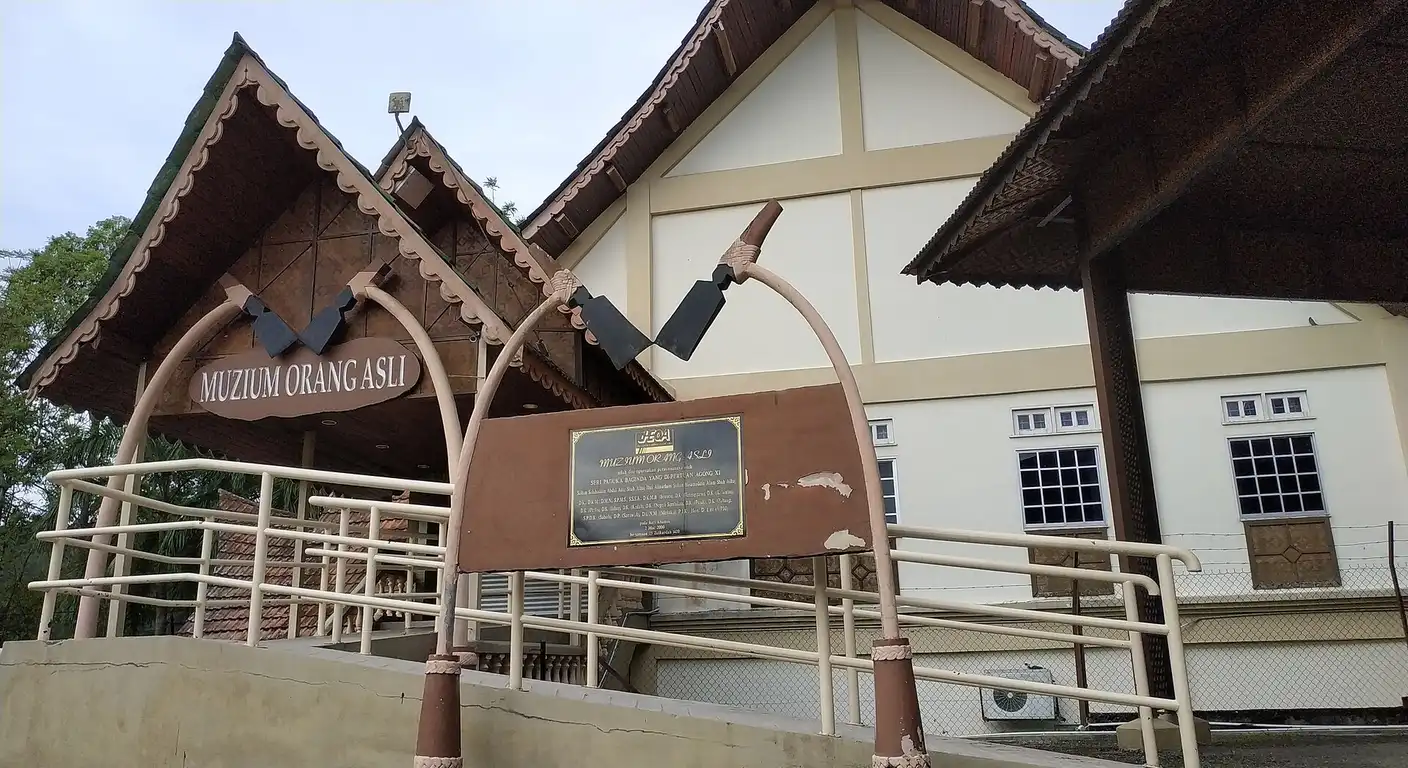
Photo: Renek78 · CC BY-SA 4.0
Quick answer
Orang Asli Museum in Gombak, Malaysia — the Orang Asli Museum at KM 24 Jalan Gombak, run by the Department of Orang Asli Development (JAKOA), is devoted to the heritage of Peninsular Malaysia's indigenous peoples. Open Saturday to Thursday: 9:00 AM – 5:00 PM; closed Fridays. Admission: free admission for all visitors. Allow 1 hour.
Visitor information last reviewed 22 October 2026. Check the official museum site for current details.
Orang Asli Museum at a glance: hours, tickets and time needed
| Opening hours | Saturday to Thursday: 9:00 AM – 5:00 PM |
|---|---|
| Closed | Fridays |
| Admission | Free admission for all visitors |
| Booking | Tickets usually available on the day |
| Time needed | 1 hour |
| Best time to visit | Any day from Saturday to Thursday, including public holidays; the museum is closed on Fridays. |
| Getting there | Taxi: Grab or taxi to Muzium Orang Asli, KM 24 Jalan Gombak, in Kampung Batu Dua Belas, Gombak |
| Address | KM 24, Jalan Gombak, Kampung Batu Dua Belas, 53100 Gombak, Selangor, Malaysia |
| Official website | jakoa.gov.my |
Checked 2026-10-22 against the official website. Prices and hours change — confirm before you travel.
What is Orang Asli Museum known for?
The museum was the idea of Dr Baharon Azhar bin Raffie'i, the fourth director-general of the government department for Orang Asli affairs, who served from 1969 to 1986. He proposed turning the official residence of a former director-general in Gombak into a museum of Orang Asli history and culture. Converting the house and gathering artefacts took six years, and on 29 September 1987 the Prime Minister, Dr Mahathir Mohamad, opened it to the public. The museum is run by the Department of Orang Asli Development (JAKOA), whose predecessor, the Jabatan Orang Asli, was established in 1954 under the Aboriginal People Ordinance.
As the collection grew, the department, then known as JHEOA, proposed a purpose-built replacement at the end of the Sixth Malaysia Plan. Construction began in 1995 and was completed on 19 June 1998, and acquiring and installing the exhibitions took almost two more years. The new museum was officially opened on 2 March 2000 by the 11th Yang di-Pertuan Agong, Sultan Salahuddin Abdul Aziz Shah. JAKOA describes it as an informal place of learning and a centre for research into Orang Asli history and culture. The site also houses the Orang Asli library and an auditorium used for meetings, recordings and cultural performances.
Displays cover cultural traditions, customs and beliefs, taboos, healing and herbal medicine, wedding ceremonies and hunting, with dioramas such as a small-animal trap. Among the artefacts JAKOA highlights are a Jah Hut wood carving of a man-eating spirit (Hantu Makan Orang), a carving of a chained tiger, blowpipes, a carved hair comb, bark-cloth clothing, Temiar ornaments such as woven gelang simpai bracelets, tempok headdresses and bead necklaces, and musical instruments including the Temiar genggong and pensol flute and a Semelai rebak. A uniform of the Senoi Praaq, the Orang Asli unit formed in 1956 during the Emergency, recalls their part in the security forces.
JAKOA counts 215,215 Orang Asli in Peninsular Malaysia as of 2023, in three main groups, the Negrito, the Senoi and the Proto-Malays, each made up of six ethnic communities, from the Bateq and Jahai to the Temiar, Semai, Jah Hut, Temuan and Jakun. The museum opens Saturday to Thursday, including public holidays, from 9:00 AM to 5:00 PM, closes on Fridays and charges no admission. Organised group visits have been welcomed with gongs, blowpipe demonstrations and performances by the Bah Bola cultural group. Visits to Orang Asli villages themselves need the approval of JAKOA's director-general.
Best for: History Enthusiasts · Families · Budget Travellers
What are the must-see works at Orang Asli Museum?
5 highlights that define the collection: Hantu Makan Orang carving, Chained tiger carving, Blowpipes (buluh sumpit) and more.
Hantu Makan Orang carving
Jah Hut woodcarving
A carved wooden figure of a man-eating spirit by the Jah Hut, one of the Senoi communities, which JAKOA singles out among the museum's artefacts.
Chained tiger carving
Orang Asli woodcarving
A polished wooden sculpture of a tiger wrapped in carved chain links, featured among the museum's highlight artefacts.
Blowpipes (buluh sumpit)
Orang Asli hunting weapons
A rack of long bamboo blowpipes from the hunting displays; on organised group visits, blowpipe demonstrations have been part of the programme.
Senoi Praaq uniform
Pasukan Gerakan Am · unit formed in 1956
The uniform of the Senoi Praaq, an Orang Asli unit set up in 1956 under the Orang Asli department to counter the communist insurgency; the name means 'war people' in Semai.
Temiar and Semelai musical instruments
Temiar genggong and pensol; Semelai rebak
A bamboo genggong jaw harp and a pensol flute made by the Temiar, displayed with a bowed rebak of the Semelai.
Collections and highlights
- • Orang Asli customs, beliefs and taboos
- • Traditional healing and herbal medicine
- • Hunting tools, including blowpipes and animal traps
- • Jah Hut and other woodcarvings
- • Bark-cloth clothing and Temiar ornaments
- • Musical instruments
- • Senoi Praaq and Emergency history
Tips for visiting Orang Asli Museum
- 1.
Best time to visit
Any day from Saturday to Thursday, including public holidays; the museum is closed on Fridays.
- 2.
Tickets & booking
Admission is free and individual visitors do not need to book. Groups hoping for a guided visit or cultural programme should contact JAKOA in advance.
- 3.
Accessibility
No accessibility information is published; contact the museum before visiting.
- 4.
Photography rules
No photography rules are published online; ask staff at the entrance, avoid flash near carvings and textiles, and follow any signs.
How do you get to Orang Asli Museum?
- taxi Grab or taxi to Muzium Orang Asli, KM 24 Jalan Gombak, in Kampung Batu Dua Belas, Gombak
- car Drive north out of Kuala Lumpur along Jalan Gombak to the KM 24 point at Batu 12; the museum is on Jalan Gombak itself
Address: KM 24, Jalan Gombak, Kampung Batu Dua Belas, 53100 Gombak, Selangor, Malaysia
Sources we checked
Visitor facts and history on this page come from these sources, checked on the dates shown.
- Soalan Lazim — Jabatan Kemajuan Orang Asli (JAKOA), checked 22 October 2026
- Frequently Asked Questions (FAQ) — Department of Orang Asli Development (JAKOA), checked 22 October 2026
- Soalan FAQ – Umum — Jabatan Kemajuan Orang Asli (JAKOA), checked 22 October 2026
- Muzium Orang Asli (presentation slides on Muzium Orang Asli Gombak) — Jabatan Kemajuan Orang Asli (JAKOA), checked 22 October 2026
- Muzium Orang Asli (Maklumat Am) — Jabatan Kemajuan Orang Asli (JAKOA), checked 22 October 2026
- Lawatan Kerja PERKEP Kontinjen Selangor ke Muzium Orang Asli Gombak — Jabatan Kemajuan Orang Asli (JAKOA), checked 22 October 2026
- Kebudayaan & Warisan — Jabatan Kemajuan Orang Asli (JAKOA), checked 22 October 2026
- Orang Asli Museum — Wikipedia, checked 22 October 2026
- Muzium Orang Asli Gombak — OpenStreetMap, checked 22 October 2026
Orang Asli Museum: frequently asked questions
How much is the entrance fee for the Orang Asli Museum in Gombak?
Nothing. JAKOA, the Department of Orang Asli Development, states that no charge is made to visitors to the Orang Asli Museum in Gombak, and individual visitors can simply walk in. The museum opens Saturday to Thursday, including public holidays, from 9:00 AM to 5:00 PM, and is closed on Fridays. Groups hoping for a guided visit should contact JAKOA in advance.
Where is the Orang Asli Museum and how do I get there?
The museum is at KM 24, Jalan Gombak, in Kampung Batu Dua Belas, Gombak, Selangor, at the same address as JAKOA's Orang Asli library. It lies north of Kuala Lumpur along the Gombak road, and the simplest way to get there is by Grab, taxi or car. JAKOA's FAQ gives the address as KM 24, Jalan Pahang, Gombak, 53100 Kuala Lumpur.
How long should I spend at the Orang Asli Museum?
Plan 1 hour for the highlights of Orang Asli Museum. Add extra time for temporary exhibitions, the shop and the café.
What are the highlights of the Orang Asli Museum?
JAKOA singles out a Jah Hut carving of a man-eating spirit (Hantu Makan Orang), a carved chained tiger, blowpipes, a carved hair comb and bark-cloth clothing. Look also for Temiar ornaments and instruments, including the genggong jaw harp and the pensol flute, a Semelai rebak and the uniform of the Senoi Praaq, the Orang Asli unit formed in 1956 during the Emergency.
Can I take photos inside the Orang Asli Museum?
JAKOA does not publish a photography policy for the museum. Ask the staff at the entrance before photographing the galleries, avoid using flash near the woodcarvings and bark-cloth, and follow any signs. If you photograph Orang Asli performers during an organised group visit, ask their permission first, as you would anywhere.
Can I visit an Orang Asli village after the museum?
Not informally. JAKOA requires every community programme or visit to an Orang Asli village to be approved by its director-general. Applicants submit a completed form, a copy of the programme paper or proposal and an official letter, following the guidelines on the JAKOA website, and approval is given within 14 working days. The museum itself needs no permission and is free to visit.
Is Orang Asli Museum open on Fridays?
No — Orang Asli Museum is closed every Friday. It is open Saturday to Thursday: 9:00 AM – 5:00 PM. Plan a different museum for that day, and check the official website for holiday changes.
What are Orang Asli Museum's opening hours?
Orang Asli Museum is open Saturday to Thursday: 9:00 AM – 5:00 PM, and closed Fridays. Hours can change for holidays and events, so check the official website before you go.
Is Orang Asli Museum free to visit?
Yes — free admission for all visitors.