Art Museums
Fine art museums hold collections of painting, sculpture, and decorative arts spanning centuries — from encyclopedic institutions like the Louvre to specialists like the Van Gogh Museum.
213 museums in this category
Quick answer
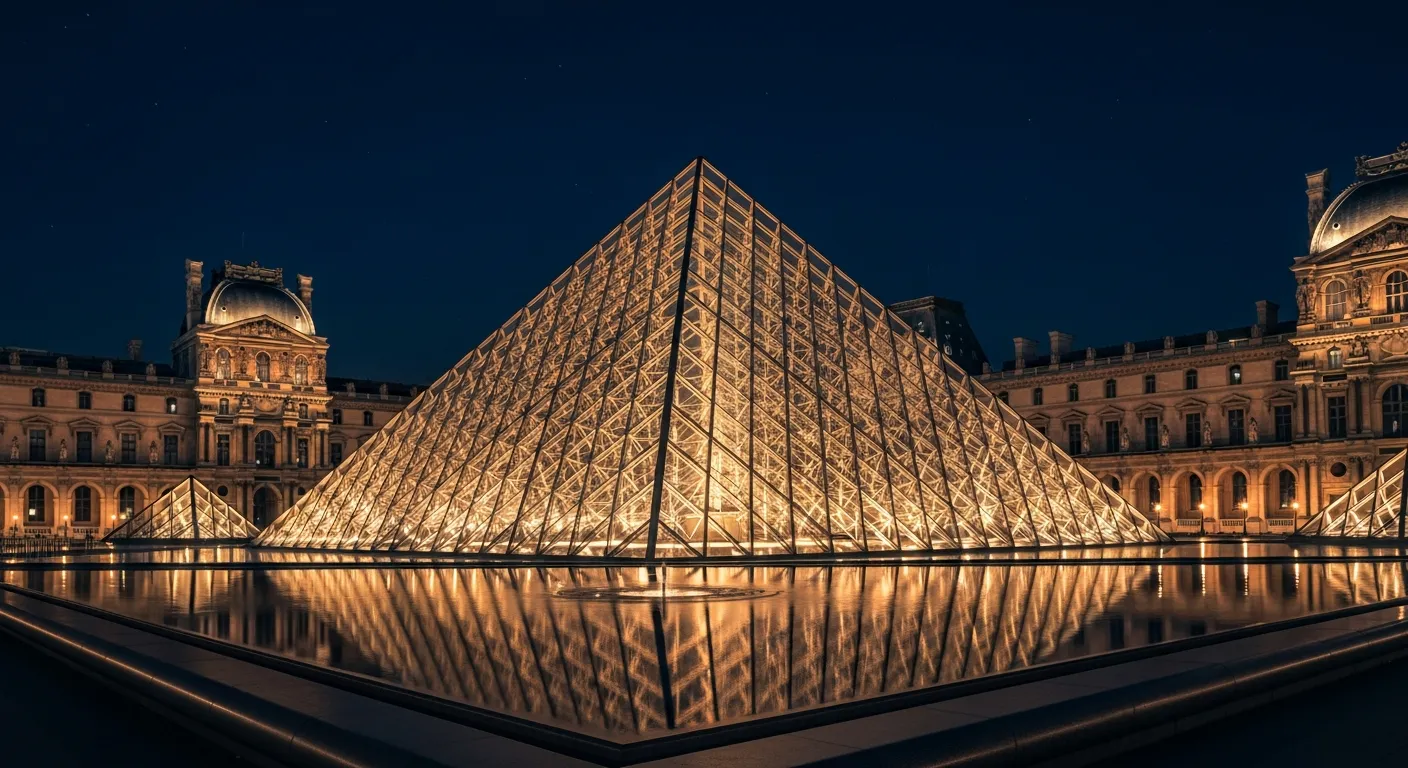
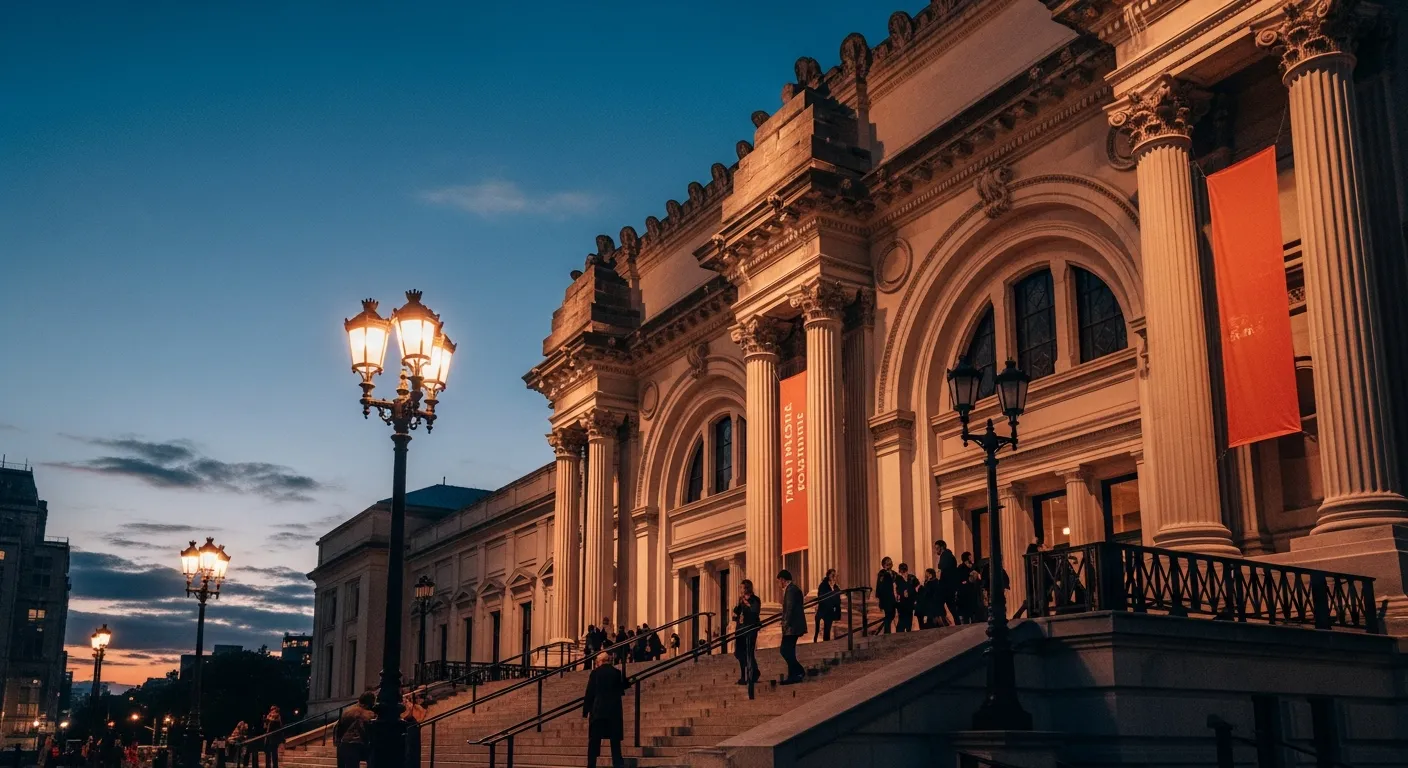
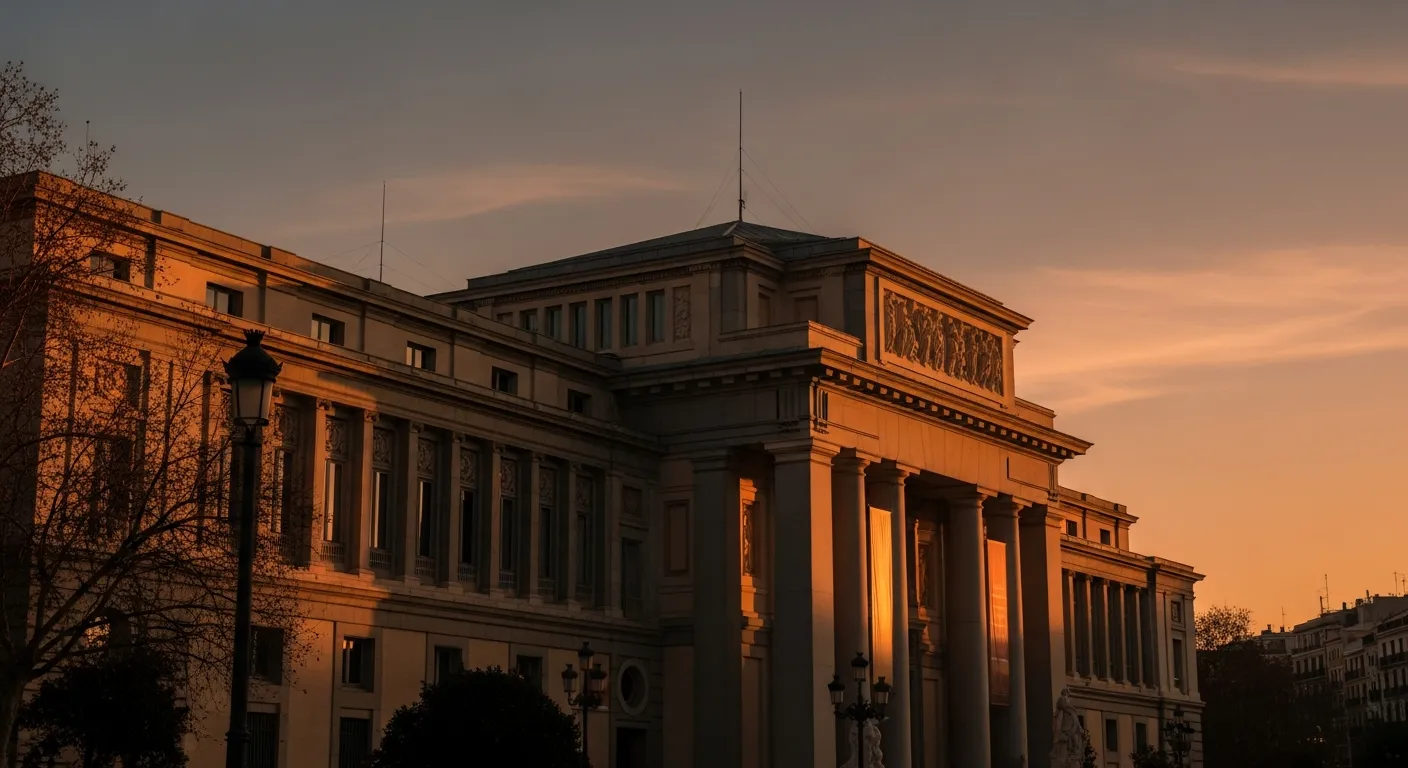
World Museum Guide lists 213art museums worldwide — leading institutions include The Louvre, The Metropolitan Museum of Art, Museo del Prado — each with a full guide to admission, opening hours, and must-see highlights, so you can pick the right one for your trip.
Visiting tip
Plan for 2–4 hours at a large art museum. Choose a wing or period to focus on — attempting everything in one visit leads to museum fatigue.
Leading institutions
All art museums
Athens, Greece
Acropolis Museum
The Acropolis Museum is an archaeological museum focused on the findings of the archaeological site of the Acropolis of Athens. The museum was built to house every artifact found on the rock and on its feet, from the Greek Bronze Age to Roman and Byzantine Greece.
Yasugi, Japan
Adachi Museum of Art
Founded by businessman Zenko Adachi in 1970, the museum is built around six interconnected Japanese gardens that change with the seasons. Adachi believed the gardens themselves should be considered living scrolls.
Ubud, Indonesia
Agung Rai Museum of Art (ARMA)
The Agung Rai Museum of Art (ARMA) in Pengosekan, Ubud, opened in 1996 to show Balinese painting from classical Kamasan work to contemporary art, alongside Walter Spies, Raden Saleh and other artists linked to Bali. Set in gardens by rice fields, it is also a busy venue for dance, gamelan and cultural workshops.
Dubai, United Arab Emirates
Al Shindagha Museum
Al Shindagha is the historic district where the ruling Al Maktoum family settled in the nineteenth century. The museum opened in 2019 across more than twenty restored coral-and-gypsum houses along the creek.
Munich, Germany
Alte Pinakothek
The Alte Pinakothek is one of the world's oldest public art galleries, opened in 1836 by King Ludwig I of Bavaria to house the Wittelsbach dynasty's extraordinary painting collection. Designed by Leo von Klenze, its long neoclassical facade on Barer Strasse anchors Munich's Kunstareal — a museum quarter that also includes the Neue Pinakothek, the Pinakothek der Moderne, and the Brandhorst Museum.
New York City, United States
American Museum of Natural History
The American Museum of Natural History (AMNH) on Central Park West is one of the world's preeminent scientific and cultural institutions, founded in 1869 and now encompassing 25 interconnected buildings across four city blocks. Its collections exceed 34 million specimens and cultural artifacts — among the largest holdings of any natural history museum on Earth.
Amsterdam, Netherlands
Anne Frank House
Otto Frank, the only member of the Frank family to survive the Holocaust, opened the house as a museum in 1960. The original Secret Annex remains preserved behind the famous bookcase entrance.
Sydney, Australia
Art Gallery of New South Wales
Australia's leading public art museum opened in 1871 in The Domain overlooking Sydney Harbour. A major expansion in 2022 added the SANAA-designed Sydney Modern building — a sunken, terraced structure connected to the original neoclassical gallery by an art garden.
FreeToronto, Canada
Art Gallery of Ontario
One of North America's largest art museums, redesigned by Frank Gehry — home to the world's largest collection of Henry Moore sculptures and the largest public collection of Canadian art.
Chicago, United States
Art Institute of Chicago
The Art Institute of Chicago, founded in 1879, is one of the oldest and largest art museums in the United States. Recognized for its curatorial efforts and popularity among visitors, the museum hosts approximately 1.5 million people annually.
Singapore, Singapore
ArtScience Museum
Designed by Moshe Safdie, the ArtScience Museum opened in 2011 as part of the Marina Bay Sands integrated resort. Its ten curving 'petals' channel rainwater into a central reflecting pool.
Singapore, Singapore
Asian Civilisations Museum
The Asian Civilisations Museum sits in the Empress Place Building, a 19th-century neoclassical landmark on the north bank of the Singapore River. Founded in 1997, it is the only museum in the region devoted to exploring the rich artistic heritage of Asia, especially the ancestral cultures of Singaporeans.
Oświęcim, Poland
Auschwitz-Birkenau State Museum
The Auschwitz-Birkenau State Museum was established in 1947 on the site of the former Nazi German concentration and extermination camp complex, located in occupied Poland near the town of Oświęcim (Auschwitz in German). The complex — comprising Auschwitz I and the larger Auschwitz II-Birkenau — was the site of the murder of at least 1.1 million people between 1940 and 1945, the majority of them Jewish. It is the largest site of mass murder in human history.
FreeBangkok, Thailand
Bangkok National Museum
The Bangkok National Museum was founded by King Rama V in 1874 inside the Wang Na, the palace of the second king. Its compound includes traditional Thai pavilions and the Buddhaisawan Chapel with its 18th-century murals.
Vienna, Austria
Belvedere Museum
The Belvedere is one of the finest baroque palace complexes in Europe, built for Prince Eugene of Savoy in the early 18th century. The Upper Belvedere (1722) is now the main museum, holding Austria's greatest art collection from the Middle Ages to the present. The formal gardens between the Upper and Lower Belvedere palaces are among the most beautiful in Vienna.
Birmingham, United Kingdom
Birmingham Museum and Art Gallery
Birmingham Museum and Art Gallery opened in 1885 inside the Council House, a confident statement of civic ambition. The galleries surround the Round Room with its monumental sculpture.
FreeBogotá, Colombia
Botero Museum
The Botero Museum in Bogotá's La Candelaria district opened in 2000 after the Colombian artist Fernando Botero (born 1932) donated 123 of his own paintings and sculptures to the Banco de la República, alongside 85 works from his personal collection of international masters. The building — a restored colonial house dating to 1757 — is a landmark of colonial Bogotá architecture. Admission is entirely free.
FreeParis, France
Bourse de Commerce – Pinault Collection
Opened in 2021, the Bourse de Commerce is the Paris home of the Pinault Collection. Tadao Ando inserted a 29-metre concrete cylinder inside the historic glass-domed rotunda, creating a striking dialogue between the old and new.
New York City, United States
Brooklyn Museum
The Brooklyn Museum is the second-largest art museum in New York City and one of the oldest and largest in the United States, housed in a Beaux-Arts building designed by McKim, Mead & White that opened in 1897. Its 560,000 square feet make it physically larger than the Manhattan Met, yet it remains Brooklyn's neighborhood museum — rooted in one of America's most diverse boroughs.
Beijing, China
Capital Museum
The Capital Museum was founded in 1981 inside the Confucius Temple and moved in 2006 to a vast new building in Beijing's Xicheng district. Architect Ren Qing's design features an angled bronze-clad elliptical hall that pierces the facade — one of the most distinctive museum buildings in China.
FreeRome, Italy
Capitoline Museums
Founded in 1471 when Pope Sixtus IV donated a group of bronzes to the people of Rome, the Capitoline Museums became the first public museum in the world. Michelangelo redesigned the surrounding piazza in 1536.
Paris, France
Centre Pompidou
Designed by Renzo Piano, Richard Rogers, and Gianfranco Franchini, the Centre Pompidou turned the museum building inside out — exposing pipes, ducts, and escalators on its colourful facade. It opened in 1977 and remains one of the most influential pieces of late twentieth-century architecture.
Mumbai, India
Chhatrapati Shivaji Maharaj Vastu Sangrahalaya
Formerly the Prince of Wales Museum — Mumbai's premier museum in an Indo-Saracenic building near the Gateway of India, with Indian miniature paintings, sculpture, and decorative arts.
Cairo, Egypt
Coptic Museum
The Coptic Museum was founded in 1908 by Marcus Simaika to preserve the art and heritage of Egypt's Christian community. It sits inside the walls of the Roman Babylon Fortress in Old Cairo.
Bentonville, United States
Crystal Bridges Museum of American Art
Crystal Bridges was founded by Alice Walton (of the Walmart family) and opened in 2011 in Bentonville, Arkansas. The building was designed by Moshe Safdie and built directly over two spring-fed ponds in the Ozark forest — its name refers to the crystal-clear springs and the glass bridges that connect its gallery pavilions. The design creates an immersive relationship between art, architecture, and the surrounding woodland trails.
FreeFigueres, Spain
Dalí Theatre-Museum
Dalí designed the Theatre-Museum in his birthplace of Figueres around the bombed shell of the municipal theatre where he had held his first exhibition aged fourteen. It opened in 1974 and Dalí is buried in the crypt beneath the central dome.
Dallas, United States
Dallas Museum of Art
One of America's largest art museums — 25,000 works spanning 5,000 years in the Dallas Arts District, with free general admission and strong collections of American, African, and contemporary art.
FreeSan Francisco, United States
de Young Museum
San Francisco's flagship fine arts museum in Golden Gate Park, with American art from the 17th century to the present, Oceanic and African collections, and a copper-clad tower with panoramic city views.
Denver, United States
Denver Art Museum
Founded in 1893, the Denver Art Museum is one of the largest art museums between Chicago and the West Coast. Its collection of more than 70,000 works spans American art, Native American and Indigenous art, western American art, European art, architecture and design, and Asian art.
Munich, Germany
Deutsches Museum
Founded in 1903 by engineer Oskar von Miller, the Deutsches Museum on Museum Island in the Isar river is the world's largest science and technology museum by size and collection scope. Its permanent exhibition covers 73,000 square metres of floor space and contains more than 28,000 exhibited objects across aviation and space, marine technology, mining, power machinery, chemistry, physics, mathematics, musical instruments, and more.
Saint Petersburg, Russia
Erarta Museum of Contemporary Art
Erarta opened in 2010 on Vasilyevsky Island in Saint Petersburg as Russia's largest private museum of contemporary art. Founded by businessman Dmitry Khankin and gallerist Marina Varvarina, it set out to document and champion Russian art from the late Soviet period to the present day.
Dubai, United Arab Emirates
Etihad Museum
The Etihad Museum opened in 2017 next to Union House, where on 2 December 1971 the seven Trucial States signed the founding declaration of the UAE. Moriyama & Teshima's curving steel canopy evokes that historic document.
Saint Petersburg, Russia
Fabergé Museum
The Fabergé Museum opened in 2013 in the restored Shuvalov Palace on the Fontanka River embankment in Saint Petersburg. Founded by the Link of Times Foundation of Viktor Vekselberg, it holds the world's largest collection of works by Carl Fabergé — including nine Imperial Easter eggs, more than any other museum.
Basel, Switzerland
Fondation Beyeler
The Fondation Beyeler was established by art dealers Ernst and Hildy Beyeler to house their personal collection — assembled over four decades of exceptional taste and acquisition. The building, designed by Renzo Piano and opened in 1997, sits in Riehen on the outskirts of Basel, its long horizontal form of red porphyry and glass integrated into the surrounding park and water basins.
Paris, France
Fondation Louis Vuitton
The Fondation Louis Vuitton opened in 2014 in a building designed by Frank Gehry — 12 immense 'sails' of curved glass suspended over a white structure, creating an effect that Gehry described as a cloud of glass. The building sits at the edge of the Bois de Boulogne and is widely considered one of the most beautiful contemporary buildings in France.
Haarlem, Netherlands
Frans Hals Museum
Founded in 1862, the Frans Hals Museum moved into the Oudemannenhuis — a charitable home for elderly men — in 1913. Its main attraction is the only complete group of Hals's monumental Civic Guard portraits.
Mexico City, Mexico
Frida Kahlo Museum
La Casa Azul — the cobalt-blue house in Coyoacán where Frida Kahlo was born, lived, and died, now a museum displaying her art, personal belongings, and the studio where she painted.
Barcelona, Spain
Fundació Joan Miró
Joan Miró conceived the foundation as a centre for the study of contemporary art. The architect and friend Josep Lluís Sert designed the building, which opened in 1975 — a textbook of Mediterranean modernism with white volumes and cylindrical light wells.
Rome, Italy
Galleria Borghese
Cardinal Scipione Borghese commissioned the villa in 1605 to display his extraordinary collection of antique and contemporary art. The Italian state acquired the collection in 1902 and opened it as a public museum the following year.
Florence, Italy
Galleria dell'Accademia
Founded by Grand Duke Pietro Leopoldo in 1784 as a teaching collection for the Academy of Fine Arts, the gallery received Michelangelo's David in 1873 to protect it from outdoor weathering.
Rome, Italy
Galleria Doria Pamphilj
The Galleria Doria Pamphilj is a private art collection still owned by the Roman noble Doria Pamphilj family, displayed in their ancestral palace on Via del Corso. The palace has been the family's residence since the seventeenth century, when Pope Innocent X (Giovanni Battista Pamphilj) consolidated the family's power and patronage.
Rome, Italy
Galleria Nazionale d'Arte Antica – Palazzo Barberini
The Galleria Nazionale d'Arte Antica is Italy's national gallery of old master painting, split across two historic Roman palaces: Palazzo Barberini and Palazzo Corsini. Together they hold one of the most important collections of Renaissance and Baroque art in Rome outside the Vatican.
Venice, Italy
Gallerie dell'Accademia
The Gallerie dell'Accademia opened in 1817 inside a former convent and church complex on the Grand Canal. The collection focuses on Venetian art from the fourteenth to the eighteenth century.
Moscow, Russia
Garage Museum of Contemporary Art
Founded in 2008, Garage moved in 2015 into the renovated Vremena Goda restaurant pavilion in Gorky Park. The transformation was led by Rem Koolhaas's office OMA, preserving the original Soviet mosaic.
Cairo, Egypt
Gayer-Anderson Museum
Major Robert Grenville Gayer-Anderson lived in the joined seventeenth-century houses adjacent to the Ibn Tulun Mosque from 1935 to 1942. He bequeathed them and his collection to Egypt on his departure.
Tokyo, Japan
Ghibli Museum, Mitaka
The Ghibli Museum opened in 2001 to share the world of Studio Ghibli's animated films. Hayao Miyazaki himself designed the labyrinth of stairs, hidden rooms, and stained-glass windows.
Alexandria, Egypt
Graeco-Roman Museum of Alexandria
Founded in 1892 with finds from Alexandria's classical-era excavations, the Graeco-Roman Museum is Alexandria's principal antiquities museum, devoted to the Hellenistic and Roman city that was once the intellectual capital of the ancient world.
Giza, Egypt
Grand Egyptian Museum
The Grand Egyptian Museum (GEM) has been under construction for more than two decades on a 50-hectare site at the foot of the Giza Plateau, within sight of the Pyramids. It is designed to be the largest archaeological museum in the world, housing approximately 100,000 artefacts.
Groningen, Netherlands
Groninger Museum
The Groninger Museum was founded in 1874 and moved in 1994 into a startling postmodern complex by Alessandro Mendini, with pavilions by Coop Himmelb(l)au, Michele De Lucchi, and Philippe Starck.
Guangzhou, China
Guangdong Museum
Founded in 1957, the Guangdong Museum moved in 2010 into a new home in Zhujiang New Town designed by Rocco Yim. The cantilevered, perforated façade was inspired by traditional carved Cantonese boxes.
FreeBilbao, Spain
Guggenheim Museum Bilbao
The Guggenheim Museum Bilbao is a museum of modern and contemporary art designed by Canadian-American architect Frank Gehry, and located in Bilbao, Basque Country, Spain. The museum was inaugurated on 18 October 1997 by King Juan Carlos I of Spain, with an exhibition of 250 contemporary works of art.
Amsterdam, Netherlands
H'ART Museum Amsterdam
Opened in 2009 as the Hermitage Amsterdam in a former seventeenth-century almshouse on the Amstel river, the museum was renamed H'ART in 2023 and now partners with the British Museum, the Centre Pompidou, and the Smithsonian American Art Museum.
Hakone, Japan
Hakone Open-Air Museum
Founded in 1969, the Hakone Open-Air Museum (Hakone Chokoku no Mori Bijutsukan) was Japan's first open-air sculpture museum, displaying around 120 works across seventy thousand square metres of mountain meadow and forest in the Hakone resort area.
Hiroshima, Japan
Hiroshima Peace Memorial Museum
Designed by Kenzo Tange and opened in 1955, the Hiroshima Peace Memorial Museum sits within Peace Memorial Park alongside the Cenotaph and the preserved Atomic Bomb Dome — a UNESCO World Heritage Site.
Hong Kong, China
Hong Kong Museum of Art
Hong Kong's flagship art museum reopened in 2019 after a four-year, HK$930 million renovation that transformed its 1962 building on the Tsim Sha Tsui waterfront. The expansion added gallery space, a new entrance lobby, and digital interactive features while preserving harbour views.
Wuhan, China
Hubei Provincial Museum
The Hubei Provincial Museum was founded in 1953 and sits on the shore of East Lake in Wuhan. Its modern complex has been progressively rebuilt and expanded, and it ranks among the most important provincial museums in China.
FreeLondon, United Kingdom
Imperial War Museum
The Imperial War Museum London tells the story of conflict involving Britain and the Commonwealth from the First World War to the present day. Founded in 1917 while the Great War still raged, it was established to record the experiences of those who lived, fought, and died in the conflict.
FreeBoston, United States
Isabella Stewart Gardner Museum
Isabella Stewart Gardner (1840–1924) spent thirty years assembling one of the finest private art collections in America, then built a Venetian Gothic palace in Boston to house it exactly as she wanted it to be seen. The museum opened in 1903 and has changed almost nothing since Gardner's death — her will stipulated that no object could be moved or sold, on pain of selling the entire collection to Harvard and dispersing it.
Kuala Lumpur, Malaysia
Islamic Arts Museum Malaysia
The Islamic Arts Museum Malaysia (IAMM), opened in December 1998 beside Kuala Lumpur's Perdana Botanical Garden, is Southeast Asia's largest museum of Islamic art. Its 12 permanent galleries hold more than 10,000 artefacts, from early Qur'an folios to a restored 1820s Ottoman room.
Jerusalem, Israel
Israel Museum
The Israel Museum in Jerusalem opened in 1965 and is Israel's national museum, the largest cultural institution in the country. The sprawling campus on Givat Ram holds encyclopedic collections of archaeology, the fine arts, Jewish art and life, and the world-famous Shrine of the Book.
Berlin, Germany
Jewish Museum Berlin
The Jewish Museum Berlin (Jüdisches Museum Berlin) opened in 2001 in Daniel Libeskind's groundbreaking deconstructivist building — the architect's first major public commission, and one of the most emotionally charged buildings in the world. The zinc-clad form is shaped around three axes representing exile, the Holocaust, and continuity, with deliberate disorientation built into the architecture.
Kazan, Russia
Kazan Kremlin Museums
The Kazan Kremlin combines tenth-century Tatar foundations with the citadel built by Ivan the Terrible after 1552. It became a museum reserve in 1994 and a UNESCO World Heritage Site in 2000.
Moscow, Russia
Kremlin Armoury
The Kremlin Armoury Chamber traces its origins to the Kremlin's royal workshops of the 1500s, where master craftsmen produced arms, armour, and regalia for the Russian tsars. Konstantin Thon's purpose-built museum opened on the Kremlin grounds in 1851 and remains the repository of the Russian state's most sacred treasures.
Otterlo, Netherlands
Kröller-Müller Museum
Helene Kröller-Müller assembled one of the first great twentieth-century European art collections. She and her husband donated it to the Dutch state in 1935; the museum opened in 1938 inside the Hoge Veluwe National Park.
Zurich, Switzerland
Kunsthaus Zürich
The Kunsthaus Zürich traces its origins to the Zürich Art Society, founded in 1787 — making it one of the oldest civic art institutions in Europe. The museum building on Heimplatz opened in 1910 (Karl Moser) and was dramatically expanded in 2021 with a new wing by David Chipperfield Architects, making the combined Kunsthaus the largest art museum in Switzerland.
Vienna, Austria
Kunsthistorisches Museum
The Kunsthistorisches Museum (Museum of Art History) opened in 1891 as Emperor Franz Joseph I's monument to the Habsburg imperial art collections. Designed by Gottfried Semper and Karl von Hasenauer, the building itself is a masterwork of 19th-century historicism, with ceiling paintings in the grand staircase by Gustav Klimt among the commission's highlights.
Saint Petersburg, Russia
Kunstkamera (Peter the Great Museum of Anthropology and Ethnography)
Founded by Peter the Great in 1714 and opened to the public in 1727, the Kunstkamera is the oldest museum in Russia. Its baroque blue-and-white tower is a Saint Petersburg landmark.
Kyoto, Japan
Kyoto National Museum
The Kyoto National Museum opened in 1897 in Tokuma Katayama's brick neo-Renaissance Imperial Museum building. The Heisei Chishinkan Wing by Yoshio Taniguchi opened in 2014 to display the permanent collection.
Lima, Peru
Larco Museum
The Museo Larco in Lima was founded in 1926 by Rafael Larco Hoyle in a restored 18th-century viceregal mansion in the Pueblo Libre district. The museum holds one of the world's greatest collections of pre-Columbian art — over 45,000 pieces spanning 5,000 years of ancient Peruvian civilisation, from the Chavín culture through the Moche, Wari, Chimú, and Inca empires.
Shenyang, China
Liaoning Provincial Museum
The Liaoning Provincial Museum in Shenyang is one of China's largest and most important regional museums. Its striking modern building, opened in 2003, houses collections spanning Liaoning's archaeology from prehistoric times through the Liao and Jin dynasties, when the region was a centre of Khitan and Jurchen power.
FreeLos Angeles, United States
Los Angeles County Museum of Art
The Los Angeles County Museum of Art (LACMA) is the largest art museum in the western United States, holding more than 150,000 works spanning art history from antiquity to the present. Its campus sprawls along Wilshire Boulevard's Miracle Mile — a cluster of buildings from different eras connected by outdoor sculpture gardens and Chris Burden's Urban Light installation at the main entrance.
Humlebæk, Denmark
Louisiana Museum of Modern Art
Louisiana opened in 1958 in a 19th-century villa at Humlebæk, 35 kilometres north of Copenhagen on the coast of the Øresund strait. The museum grew organically over decades, with interconnected whitewashed gallery wings threading through the landscape of the clifftop park — creating one of the most harmonious relationships between art, architecture, and nature of any museum in the world.
Abu Dhabi, United Arab Emirates
Louvre Abu Dhabi
The Louvre Abu Dhabi is an art and civilization museum, located in Abu Dhabi, United Arab Emirates. The museum was established on November 8, 2017 by French President Emmanuel Macron and United Arab Emirates Vice President Mohammed bin Rashid Al Maktoum.
Luxor, Egypt
Luxor Museum
The Luxor Museum opened in 1975 on the corniche overlooking the Nile, displaying objects excavated from the temples of Karnak and Luxor and from the West Bank tombs of the Valley of the Kings and Queens.
Hong Kong, China
M+
Designed by Herzog & de Meuron with TFP Farrells, M+ opened in November 2021 in the West Kowloon Cultural District — Asia's first global museum of contemporary visual culture. Its vast LED façade faces Victoria Harbour and becomes a screen for moving-image commissions at night.
Brussels, Belgium
Magritte Museum
The Magritte Museum opened in 2009 in the neoclassical Hôtel Altenloh on Place Royale, adjacent to the Royal Museums of Fine Arts. It holds the world's largest collection of works by René Magritte (1898–1967), the Belgian surrealist painter whose image-language subversions — including The Treachery of Images ('Ceci n'est pas une pipe') and The Son of Man — became among the most reproduced images of the 20th century.
Buenos Aires, Argentina
MALBA — Museo de Arte Latinoamericano de Buenos Aires
MALBA opened in 2001 in a purpose-built building in the Palermo district of Buenos Aires, designed by the Argentine architectural firm Gastón Atelman, Martín Fourcade, and Alfredo Tapia. The museum holds around 700 works spanning the full breadth of Latin American art from the early 20th century through the contemporary period — the most important institutional collection of its kind in the world.
Manchester, United Kingdom
Manchester Art Gallery
Manchester Art Gallery occupies a grand Neoclassical building on Mosley Street in the city centre, with a modern extension added in 2002. Founded in 1823, it was one of the first free public art galleries in Britain and remains free to the permanent collection today.
FreeDoha, Qatar
Mathaf: Arab Museum of Modern Art
Mathaf: Arab Museum of Modern Art opened in 2010 in Doha's Education City, housed in a former school building redesigned by French architect Jean-François Bodin. It holds the world's largest specialised collection of modern and contemporary Arab art.
FreeThe Hague, Netherlands
Mauritshuis
The Mauritshuis was built between 1633 and 1644 for Count John Maurice of Nassau-Siegen. It opened as a public picture gallery in 1822 with the royal collection of Dutch and Flemish paintings.
Rome, Italy
MAXXI – National Museum of 21st Century Arts
MAXXI — the National Museum of 21st Century Arts — is Zaha Hadid Architects' first major museum building, opened in Rome in 2010. It unites two institutions under one flowing concrete roof: MAXXI Art and MAXXI Architecture.
Atami, Japan
MOA Museum of Art
The MOA Museum of Art stands on a forested hillside above Atami, a hot-spring resort on the Izu Peninsula. Founded in 1982 by Mokichi Okada, it houses his collection of Japanese and East Asian art in a building designed to harmonise with the natural landscape.
Tokyo, Japan
Mori Art Museum
Mori Art Museum opened in 2003 on the 53rd floor of Roppongi Hills Mori Tower, founded by developer Minoru Mori with an emphasis on Asian contemporary art, architecture, and urban culture.
Marseille, France
MUCEM — Museum of European and Mediterranean Civilisations
Designed by Rudy Ricciotti, MUCEM opened in 2013 in a cube wrapped with a delicate concrete lattice that filters Mediterranean light. A footbridge links it to the seventeenth-century Fort Saint-Jean.
Moscow, Russia
Multimedia Art Museum, Moscow
The Multimedia Art Museum (MAMM) occupies a converted chocolate factory on Ostozhenka street in central Moscow, one of the city's most prestigious addresses. Founded as the Moscow House of Photography in 1996, it rebranded to reflect its expanded mission in photography, video, and new media.
Oslo, Norway
Munch Museum
The Munch Museum (MUNCH) moved to a spectacular new 13-floor building in the Bjørvika waterfront district in 2021, designed by Estudio Herreros. The building has become one of Oslo's most striking pieces of contemporary architecture, leaning dramatically over the harbour.
Paris, France
Musée Carnavalet
Founded by Baron Haussmann in 1880, the Musée Carnavalet occupies the Renaissance Hôtel Carnavalet and the seventeenth-century Hôtel Le Peletier de Saint-Fargeau. It reopened in 2021 after a major refurbishment.
FreeParis, France
Musée d'Orsay
The Musée d'Orsay is a museum in Paris, France, on the Left Bank of the Seine. It is housed in the former Gare d'Orsay, a Beaux-Arts railway station built between 1898 and 1900.
Paris, France
Musée de Cluny – Musée National du Moyen Âge
The Musée de Cluny opened in 1843 in the late-medieval Hôtel de Cluny, built atop the Gallo-Roman Thermes de Cluny. A major refurbishment completed in 2022 added a contemporary entrance pavilion.
Paris, France
Musée de l'Orangerie
The Orangerie was built in 1852 to shelter the Tuileries Garden's orange trees. In 1927 Claude Monet's Nymphéas — eight vast canvases of water lilies — were installed in two specially designed oval rooms, an environment Monet called 'the illusion of an endless whole'.
Toulouse, France
Musée des Augustins
Established in 1795 in the cloisters of a former Augustinian monastery, the museum is one of the oldest in France. The medieval architecture frames a remarkable collection of Romanesque sculpture from the great cloisters of Toulouse.
Lyon, France
Musée des Beaux-Arts de Lyon
Founded under Napoleon in 1801, the Musée des Beaux-Arts occupies the seventeenth-century Palais Saint-Pierre. Its galleries trace European art from antiquity to the twentieth century across more than seventy rooms.
Paris, France
Musée du Quai Branly – Jacques Chirac
Opened in 2006 at the initiative of President Jacques Chirac, the Quai Branly brought together the ethnographic collections of the former Musée de l'Homme and Musée des Arts d'Afrique et d'Océanie.
Paris, France
Musée Marmottan Monet
Originally the home of art historian Paul Marmottan, the museum opened in 1934. Monet's son Michel bequeathed his father's personal studio collection in 1966, transforming the institution into the principal Monet museum.
Paris, France
Musée Picasso Paris
After Picasso's death in 1973 his heirs paid France's inheritance taxes with works from his personal collection. That extraordinary trove formed the foundation of the Musée Picasso, which opened in the restored Hôtel Salé in 1985.
Paris, France
Musée Rodin
Rodin gifted his entire collection to the French state in 1916 on the condition that it be displayed in the Hôtel Biron, the eighteenth-century mansion where he had been working. The museum opened in 1919 and remains one of Paris's most beloved small institutions.
Marrakech, Morocco
Musée Yves Saint Laurent Marrakech
The Musée Yves Saint Laurent Marrakech (MYSLM) opened in 2017, designed by Paris-based Studio KO in a terracotta and bronze building of interlocking geometric forms. It is one of two museums dedicated to Yves Saint Laurent — the other is in Paris — and focuses specifically on his relationship with Morocco and Marrakech, which profoundly shaped his aesthetic vision.
Seville, Spain
Museo de Bellas Artes de Sevilla
Founded in 1839 by royal decree and opened to the public in 1841, the museum occupies the former Convento de la Merced Calzada, with three Mudejar-style cloisters and a baroque church as exhibition rooms.
Valencia, Spain
Museo de Bellas Artes de Valencia
Founded in 1839, the museum occupies the Colegio de San Pío V on the Royal Bridge of Valencia. Its collections grew from the holdings of suppressed religious institutions in the region.
FreeBogotá, Colombia
Museo del Oro
The Museo del Oro (Gold Museum) in Bogotá is operated by the Banco de la República and holds the largest collection of pre-Columbian gold objects in the world — over 55,000 pieces of gold and tumbaga (a gold-copper alloy) from the Muisca, Zenú, Quimbaya, Calima, Tairona, and other ancient Colombian civilisations. The museum opened in 1939 and moved to its current purpose-built building in 1968.
Madrid, Spain
Museo del Prado
The Prado Museum is the main Spanish national art museum, located in central Madrid. It is widely considered to house one of the world's finest collections of European art, dating from the 12th century to the early 20th century.
Florence, Italy
Museo dell'Opera del Duomo
Founded in 1891 as a workshop and depot for the cathedral's restoration, the museum was rebuilt and reopened in 2015 with a dramatic new presentation of the works that once stood on the Duomo, the Baptistery, and the Bell Tower.
Naples, Italy
Museo di Capodimonte
The Museo di Capodimonte occupies a vast Bourbon royal palace on a hilltop park north of Naples. King Charles VII of Bourbon began the palace in 1738 to house the Farnese collection inherited from his mother Elisabetta Farnese, one of the greatest art collections in Europe.
Turin, Italy
Museo Egizio
Founded by King Carlo Felice in 1824, the Museo Egizio holds more than thirty-thousand objects from the Nile Valley. The Italian Egyptologist Ernesto Schiaparelli expanded the collection through major excavations between 1900 and 1920.
Florence, Italy
Museo Galileo
The Museo Galileo in Florence is dedicated to the history of science, housed in Palazzo Castellani on Piazza dei Giudici beside the Uffizi. Founded in 1930 as the Istituto e Museo di Storia della Scienza, it was renamed in 2010 to honour Florence's most famous scientist.
Madrid, Spain
Museo Lázaro Galdiano
The Museo Lázaro Galdiano occupies the former mansion of collector José Lázaro Galdiano on Serrano street in Madrid's Salamanca district. Galdiano (1862–1947) amassed one of the greatest private art collections in Spain, bequeathing it to the nation along with his library of 20,000 volumes.
Mexico City, Mexico
Museo Nacional de Antropología
Designed by Pedro Ramírez Vázquez and opened in 1964, the museum is famous for its central courtyard sheltered by 'El Paraguas', a giant carved umbrella supported on a single column with water cascading around it.
Buenos Aires, Argentina
Museo Nacional de Bellas Artes
The Museo Nacional de Bellas Artes (MNBA) was founded in 1895 and is now housed in a former water pumping station converted in 1933 in the Recoleta district of Buenos Aires. With over 12,000 works, it holds the largest art collection in Latin America and is free to enter.
FreeMadrid, Spain
Museo Nacional Thyssen-Bornemisza
Opened in 1992 in the renovated Palacio de Villahermosa, the Thyssen-Bornemisza was acquired by the Spanish state from the Thyssen family in 1993. It complements the Prado's Spanish strengths with works the national collections previously lacked.
Florence, Italy
Museo Nazionale del Bargello
Built in 1255, the Bargello served as Florence's first town hall and later as a notorious prison. It was converted into the National Sculpture Museum in 1865 to mark the unification of Italy.
Madrid, Spain
Museo Reina Sofía
The Museo Nacional Centro de Arte Reina Sofía is Spain's national museum of 20th-century art, located in Madrid near the Atocha train station. It is named after Queen Sofía and was inaugurated on 10 September 1992.
Madrid, Spain
Museo Sorolla
After Sorolla's death in 1923 his widow Clotilde donated the family home to the Spanish state. It opened as a public museum in 1932 with the studios and rooms preserved as the painter left them.
Mexico City, Mexico
Museo Soumaya
The Museo Soumaya is a private museum founded by billionaire Carlos Slim Helú as a tribute to his late wife, Soumaya Domit. The current building — designed by Slim's son-in-law Fernando Romero — opened in 2011 in the Polanco district. Its curving, hexagonal steel form clad in 16,000 aluminium hexagons has become one of the most iconic buildings in Mexico City.
FreeLisbon, Portugal
Museu Calouste Gulbenkian
The Museu Calouste Gulbenkian holds the personal art collection of Armenian-British oil magnate Calouste Sarkis Gulbenkian (1869–1955), who spent his life acquiring exceptional works across every major collecting category. His taste was extraordinary: he bought from the Hermitage when the Soviet government sold off tsarist treasures in the 1930s, and assembled one of the most internally balanced private collections ever formed.
São Paulo, Brazil
Museu de Arte de São Paulo
The São Paulo Museum of Art (Portuguese: Museu de Arte de São Paulo Assis Chateaubriand, MASP) is a non-profit art museum located on Paulista Avenue in the city of São Paulo, Brazil. It is well known for its headquarters, a 1968 concrete and glass structure designed by Lina Bo Bardi.
Barcelona, Spain
Museu Nacional d'Art de Catalunya
The Museu Nacional d'Art de Catalunya (MNAC) occupies the Palau Nacional, built for the 1929 Barcelona International Exhibition on Montjuïc hill. The dome rises above the Magic Fountain and frames a sweeping panorama over the city and port.
Barcelona, Spain
Museu Picasso de Barcelona
The Museu Picasso opened in 1963 with a foundational gift from Picasso's friend and personal secretary Jaume Sabartés. Picasso himself donated the major early series Las Meninas in 1968.
Rotterdam, Netherlands
Museum Boijmans Van Beuningen
Founded in 1849 with a bequest from F.J.O. Boijmans, Museum Boijmans Van Beuningen holds 151,000 works spanning Hieronymus Bosch and Pieter Bruegel through Salvador Dalí and contemporary design. It is Rotterdam's leading art museum.
Budapest, Hungary
Museum of Fine Arts Budapest
The Museum of Fine Arts in Budapest (Szépművészeti Múzeum) opened in 1906 in a magnificent neoclassical building facing Heroes' Square. The collection was assembled from the Habsburg royal collection, aristocratic donations, and major acquisitions, and now comprises over 100,000 objects spanning ancient Egypt to the 20th century.
Houston, United States
Museum of Fine Arts Houston
Founded in 1900, the Museum of Fine Arts Houston (MFAH) is the largest art museum in the southern United States, with a collection of more than 70,000 works spanning 6,000 years of art history. Its campus encompasses two main buildings by Ludwig Mies van der Rohe, a sculpture garden by Isamu Noguchi, and the Rienzi house museum.
Boston, United States
Museum of Fine Arts, Boston
The MFA opened in Copley Square in 1876 and moved to its current Beaux-Arts building on Huntington Avenue in 1909. Major additions by I. M. Pei and Foster + Partners have expanded the campus dramatically.
Doha, Qatar
Museum of Islamic Art
The Museum of Islamic Art (MIA) is a museum on one end of the seven-kilometer-long Corniche in Doha, Qatar. As per the architect I. M. Pei's specifications, the museum is built on an island off an artificial projecting peninsula near the traditional dhow harbor.
Cairo, Egypt
Museum of Islamic Art, Cairo
Founded in 1881 inside the Mosque of Baybars, the Museum of Islamic Art, Cairo moved to its current Mamluk-revival building on Bab al-Khalq Square in 1903. It holds one of the world's most important collections of Islamic art, with works from across fourteen centuries.
Dubai, United Arab Emirates
Museum of the Future
Designed by Killa Design and opened in 2022, the Museum of the Future is wrapped in 1,024 stainless-steel panels carved with Arabic calligraphy by Sheikh Mohammed bin Rashid Al Maktoum.
Ubud, Indonesia
Museum Puri Lukisan
Museum Puri Lukisan on Ubud's main street opened in 1956 and is the oldest art museum in Bali, founded by Ubud's royal family and the Dutch painter Rudolf Bonnet to keep the best Balinese painting and woodcarving on the island. Its four galleries trace modern Balinese art from the Pitamaha movement of the 1930s onward.
Nanjing, China
Nanjing Museum
Originally proposed by Cai Yuanpei in 1933 as the National Central Museum, Nanjing Museum is one of the earliest modern museums in China. It was redeveloped in 2013 into six themed galleries.
FreeNara, Japan
Nara National Museum
Established in 1895, the Nara National Museum specialises in Buddhist art — particularly sculpture, painting, and ritual objects from temples in the Nara region. It sits in Nara Park, surrounded by free-roaming deer and within walking distance of Tōdai-ji and Kōfuku-ji.
Tokyo, Japan
National Art Center, Tokyo
Opened in 2007 in Roppongi, the National Art Center has no permanent collection. Instead it programmes the largest exhibition space in Japan — fourteen thousand square metres across twelve halls.
Beijing, China
National Art Museum of China
The National Art Museum of China (NAMOC) on Wusi Dajie in Beijing was established in 1963 in a Chinese-style pavilion with traditional upturned eaves. It is the national gallery for modern and contemporary Chinese art — not to be confused with the Palace Museum in the Forbidden City.
FreeEdinburgh, United Kingdom
National Galleries of Scotland
The National Galleries of Scotland comprise the National, the Portrait Gallery on Queen Street, and Modern One and Two in the city's west. Together they form one of Europe's great public art collections.
FreeWashington D.C., United States
National Gallery of Art
The National Gallery of Art, and its attached Sculpture Garden, is a national art museum in Washington, D.C., located on the National Mall, between 3rd and 9th Streets. Open to the public and free of charge, the museum was privately established in 1937 for the American people by a joint resolution of Congress.
FreeCanberra, Australia
National Gallery of Australia
The National Gallery of Australia, formerly the Australian National Gallery, is the national art museum of Australia. Located in Canberra, the gallery was established in 1967 by the Australian government, opened in 1982, and holds more than 166,000 works of art.
FreeOttawa, Canada
National Gallery of Canada
Canada's national art museum in a Moshe Safdie glass-and-granite building overlooking Parliament Hill — Canadian, Indigenous, European, and contemporary art including Maman by Louise Bourgeois.
Dublin, Ireland
National Gallery of Ireland
The National Gallery of Ireland in Dublin was founded in 1854 and houses Ireland's national collection of Western European and Irish art from the 14th century to the 20th century. Admission is entirely free. The permanent collection of approximately 16,500 works spans Italian Renaissance, Dutch and Flemish Golden Age, Spanish Baroque, French Impressionism, and an unparalleled survey of Irish art.
FreeMelbourne, Australia
National Gallery of Victoria
Australia's oldest and most visited art museum — NGV International on St Kilda Road and The Ian Potter Centre at Federation Square, with Rembrandt, Tiepolo, and the famous water wall entrance.
FreePrague, Czech Republic
National Gallery Prague
The National Gallery in Prague was founded in 1796 by Czech patriotic nobility as the first public picture gallery in the Habsburg Empire — predating the Kunsthistorisches Museum in Vienna by nearly a century. Today it operates across seven historic buildings in Prague, with the Veletržní palác (Trade Fair Palace) serving as the primary venue for its modern and contemporary art collections.
Singapore, Singapore
National Gallery Singapore
National Gallery Singapore opened in 2015 inside the former Supreme Court and City Hall buildings, unified beneath a sculptural wave-like glass and steel canopy designed by studioMilou and CPG Consultants.
Warsaw, Poland
National Museum in Warsaw
The National Museum in Warsaw (Muzeum Narodowe w Warszawie) was founded in 1862 and is Poland's largest museum. The current building — a monumental structure in the Marszałkowska district — was built in the 1920s and 30s and survived the destruction of Warsaw in World War II largely intact. The collections span six millennia of art and material culture from Egypt, Greece, and Rome through medieval Europe to the present.
Beijing, China
National Museum of China
The National Museum of China flanks the eastern side of Tiananmen Square in Beijing, China. The museum's mission is to educate about the arts and history of China. It is directed by the Ministry of Culture and Tourism of the People's Republic of China.
FreeCairo, Egypt
National Museum of Egyptian Civilization (NMEC)
Partially opened in 2017 and inaugurated fully in 2021, the National Museum of Egyptian Civilization in Old Cairo's Fustat district covers Egyptian history holistically — pharaonic, Greco-Roman, Coptic, Islamic, and modern.
Dublin, Ireland
National Museum of Ireland
The National Museum of Ireland was established in 1877 and now operates four sites across Dublin and County Mayo. The principal site — the Archaeology branch on Kildare Street — holds the national collection of Irish antiquities, which is internationally recognised as one of the most important collections of early medieval art in the world.
FreeSeoul, South Korea
National Museum of Korea
The National Museum of Korea moved to its current Yongsan home in 2005. The vast stone building frames a central 'Path of History' that aligns dramatically with distant Namsan tower.
FreeTokyo, Japan
National Museum of Modern Art, Tokyo
Founded in 1952, the National Museum of Modern Art, Tokyo (MOMAT) was Japan's first national art museum. Its current building by Yoshiro Taniguchi opened in 1969 in Kitanomaru Park beside the Imperial Palace moat and was renovated in 2002.
Oslo, Norway
National Museum of Norway
The National Museum (Nasjonalmuseet) opened in June 2022 in a landmark new building on Aker Brygge, designed by Kleihues + Schuwerk. At 54,600 square metres it is the largest museum building in the Nordic countries and one of the largest art museums in Europe.
Doha, Qatar
National Museum of Qatar
Designed by Jean Nouvel and opened in 2019, the National Museum of Qatar is composed of 539 interlocking discs evoking the desert rose mineral formation. The original royal palace of Sheikh Abdullah bin Jassim Al Thani stands at its heart.
Edinburgh, United Kingdom
National Museum of Scotland
The National Museum of Scotland occupies two adjoining buildings in Edinburgh's Old Town: the original Victorian Royal Museum building (1866), with its magnificent glass-roofed Grand Gallery, and the striking modern addition opened in 1998, clad in honey-coloured Clashach sandstone. The combined complex is one of Scotland's most visited attractions.
FreeTokyo, Japan
National Museum of Western Art
The National Museum of Western Art opened in 1959 in Le Corbusier's only completed building in Japan. The original building and recent additions form a UNESCO-listed work of modern architecture.
New Delhi, India
National Museum, New Delhi
The National Museum in New Delhi was established in 1949 and holds over 200,000 works spanning 5,000 years of Indian history — from the Indus Valley Civilisation to contemporary art. It is India's premier museum on Janpath, near India Gate.
Taipei, Taiwan
National Palace Museum
The National Palace Museum is a national museum in Taipei, Taiwan. It has a permanent collection of nearly 700,000 pieces of ancient Chinese imperial artifacts and artworks, making it one of the largest of its type in the world.
London, United Kingdom
National Portrait Gallery
Founded in 1856, the National Portrait Gallery moved to its current building beside the National Gallery in 1896. It reopened in 2023 after a major refurbishment by Jamie Fobert Architects.
FreeVienna, Austria
Natural History Museum Vienna
The Naturhistorisches Museum Vienna (NHM) opened in 1889 as a twin to the Kunsthistorisches Museum across the square. Its collection of 30 million objects makes it one of the largest natural history museums in the world, covering mineralogy, petrology, geology, palaeontology, anthropology, and zoology.
Ubud, Indonesia
Neka Art Museum
Neka Art Museum, founded by the collector Suteja Neka and opened in 1982, traces the development of painting in Bali through pavilions set in a garden overlooking a river valley in Sanggingan, north-west of central Ubud. It also displays a notable collection of Balinese keris.
Tokyo, Japan
Nezu Museum
The Nezu Museum was founded in 1941 to preserve Tobu Railway president Kaichirō Nezu's collection. Kengo Kuma's serenely austere building reopened in 2009 around the original Nezu garden.
Aswan, Egypt
Nubian Museum
Designed by Egyptian architect Mahmoud El-Hakim, the Nubian Museum in Aswan was built as part of the UNESCO campaign that also saved the temples of Abu Simbel from the rising waters of Lake Nasser. It opened in 1997 and won the Aga Khan Award for Architecture.
Copenhagen, Denmark
Ny Carlsberg Glyptotek
The Ny Carlsberg Glyptotek was founded by Carl Jacobsen, heir to the Carlsberg brewery, as a gift to the city of Copenhagen. It opened in 1897 and expanded with a French Impressionist wing in 1906. The building — a combination of neoclassical facades and a spectacular glass-domed winter garden — is among the most beautiful museum interiors in Scandinavia.
Beijing, China
Palace Museum (Forbidden City)
The Forbidden City was the seat of Chinese emperors from 1420 to 1912. After the abdication of the last Qing emperor, the Palace Museum was inaugurated in 1925, opening the imperial complex and treasures to the public.
Versailles, France
Palace of Versailles
The Palace of Versailles was the seat of French royal power from 1682 until the Revolution of 1789. Louis XIV, the Sun King, transformed a hunting lodge into the largest palace in Europe to project the absolute authority of the French monarchy — a statement of power that inspired royal courts across the continent for a century.
Lille, France
Palais des Beaux-Arts de Lille
Created by Napoleon's 1801 decree to bring great art to the regions, the Palais des Beaux-Arts opened in Lille in 1809. Its current Belle Époque building dates from 1892 and underwent a major renovation in the 1990s.
Rome, Italy
Palazzo Massimo alle Terme
Palazzo Massimo alle Terme opened in 1995 as the principal site of the National Roman Museum, housed in a late-nineteenth-century Jesuit college near Termini Station.
Florence, Italy
Palazzo Pitti
Built in the fifteenth century for the Pitti family and acquired by the Medici in 1549, the Palazzo Pitti was the principal residence of the rulers of Tuscany. The Palatine Gallery opened to the public in 1828.
Venice, Italy
Peggy Guggenheim Collection
Peggy Guggenheim lived for thirty years in the Palazzo Venier dei Leoni, a low eighteenth-century palace on the Grand Canal. After her death in 1979 the home and its collection passed to the Solomon R. Guggenheim Foundation.
Berlin, Germany
Pergamon Museum
The Pergamon Museum is a listed building on the Museum Island in the historic centre of Berlin, Germany. It was built from 1910 to 1930 by order of Emperor Wilhelm II according to plans by Alfred Messel and Ludwig Hoffmann.
Paris, France
Petit Palais
The Petit Palais — the 'small palace' — was built for the 1900 Universal Exposition in Paris, facing its grander neighbour the Grand Palais across Winston Churchill Avenue. Designed by Charles Girault, the building is a Belle Époque masterpiece of iron, stone, and mosaic, built around a semicircular courtyard garden that remains one of Paris's hidden oases.
FreePhiladelphia, United States
Philadelphia Museum of Art
The Philadelphia Museum of Art was founded in 1876 for the Centennial Exposition. Its current building atop Fairmount opened in 1928 and is one of the largest art museums in the United States.
Milan, Italy
Pinacoteca di Brera
Founded by Napoleon in 1809 to house works requisitioned from churches across Lombardy, the Pinacoteca occupies the Palazzo di Brera alongside the Academy of Fine Arts and the Brera Botanical Garden.
Moscow, Russia
Pushkin State Museum of Fine Arts
The Pushkin Museum opened in 1912 as a teaching collection of plaster casts attached to Moscow University. It became Russia's main museum of foreign art after the redistribution of private collections in 1924.
Amsterdam, Netherlands
Rembrandt House Museum
Rembrandt bought this Jodenbreestraat house in 1639. He went bankrupt in 1656 and the house was sold; it opened as a museum in 1911 and was painstakingly restored to its original state in 1999.
Amsterdam, Netherlands
Rijksmuseum
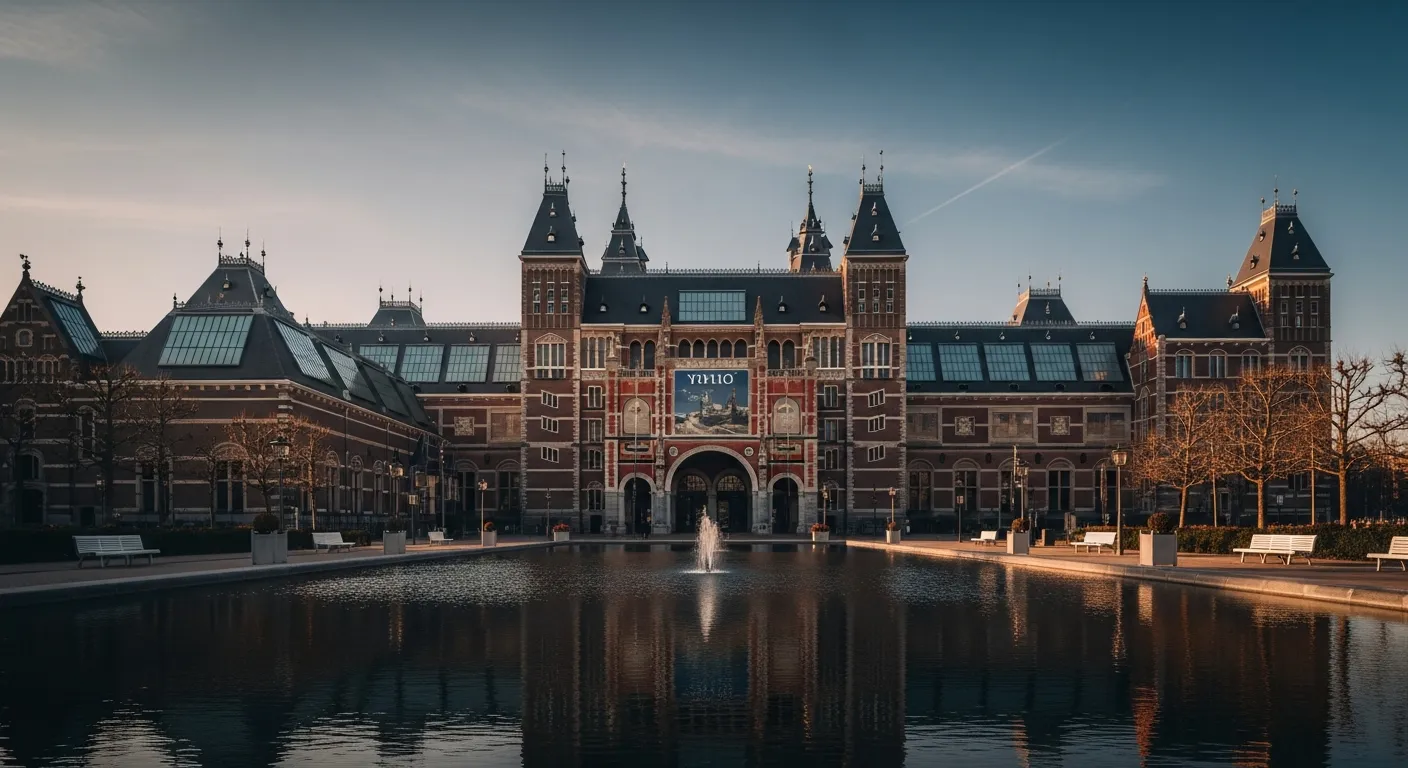
The Rijksmuseum is the national museum of the Netherlands dedicated to Dutch arts and history and is located in Amsterdam. The museum is located at the Museum Square in the borough Amsterdam South, close to the Van Gogh Museum, the Stedelijk Museum Amsterdam, and the Concertgebouw.
Brussels, Belgium
Royal Museums of Fine Arts of Belgium
The Royal Museums of Fine Arts of Belgium in Brussels form one of the oldest and largest museum complexes in Europe, housing six distinct museums under one institution. The Museum of Ancient Art, the Museum of Modern Art, the Magritte Museum, the Wiertz Museum, the Meunier Museum, and the Fin-de-Siècle Museum together span six centuries of Belgian and international art.
Toronto, Canada
Royal Ontario Museum
The Royal Ontario Museum opened in 1914 and now holds more than 13 million objects across 40 galleries. Its 2007 Michael Lee-Chin Crystal — five interlocking aluminum and glass prisms — has become a Toronto landmark.
Amsterdam, Netherlands
Royal Palace Amsterdam
Built by Jacob van Campen between 1648 and 1665 as the Amsterdam city hall, the building was claimed by King Louis Bonaparte as a royal residence in 1808 and remains a working palace of the Dutch royal family today.
San Francisco, United States
San Francisco Museum of Modern Art
Founded in 1935, SFMOMA was the first museum on the West Coast dedicated to modern art. Its 2016 expansion — designed by Snøhetta — nearly tripled its size to 170,000 square feet of gallery space, making it one of the largest modern art museums in the United States.
London, United Kingdom
Science Museum
Founded in 1857 with material from the Great Exhibition, the Science Museum has grown to hold more than 300,000 items charting the history of science, technology, medicine, and industry.
FreeSeattle, United States
Seattle Art Museum
The Seattle Art Museum (SAM) is the Pacific Northwest's leading visual arts institution, occupying a Robert Venturi and Denise Scott Brown building on First Avenue in downtown Seattle since 1991. The original 1933 Art Deco building by Carl Gould was expanded and wrapped in Venturi's granite facade, creating a museum that bridges historic and postmodern architecture.
Xi'an, China
Shaanxi History Museum
The Shaanxi History Museum opened in 1991 in a building styled after Tang dynasty architecture. It holds 370,000 objects from the cradle of Chinese civilisation — Xi'an was capital of thirteen dynasties.
FreeShanghai, China
Shanghai Museum
Founded in 1952, the Shanghai Museum moved into Xing Tonghe's circular drum-and-square base building on People's Square in 1996. The form symbolises the ancient Chinese view of heaven and earth.
FreeSharjah, United Arab Emirates
Sharjah Art Museum
Sharjah Art Museum opened in 1997 in the city's Heritage and Arts Area. Its three-storey building was inspired by traditional Sharjah townhouses with windcatchers and shaded courtyards.
FreeSharjah, United Arab Emirates
Sharjah Museum of Islamic Civilization
The Sharjah Museum of Islamic Civilization occupies the former Souq al-Majarrah building in the Heritage Area — a converted market hall with a distinctive golden dome visible across the city.
Washington D.C., United States
Smithsonian American Art Museum
The Smithsonian American Art Museum (commonly known as SAAM) is a museum in Washington, D.C., part of the Smithsonian Institution. Together with its branch museum, the Renwick Gallery, SAAM holds one of the world's largest and most inclusive collections of art, from the colonial period to the present, made in the United States.
FreeWashington D.C., United States
Smithsonian National Air and Space Museum
The National Air and Space Museum consistently ranks as the most visited museum in the United States, with over 7 million visitors annually before the pandemic. Established in 1946 and opened on the National Mall in 1976, it holds the world's largest collection of historic aircraft and spacecraft.
FreeWashington D.C., United States
Smithsonian National Museum of American History
Opened in 1964, the National Museum of American History holds some of the most iconic objects in the United States — from the flag that inspired the national anthem to pop culture artefacts, military history, and Julia Child's kitchen. It is a museum of things rather than fine art, and that makes it one of the most immediate and engaging museums in the country.
FreeNew York City, United States
Solomon R. Guggenheim Museum
Founded in 1939 as the Museum of Non-Objective Painting, the Guggenheim moved into Frank Lloyd Wright's revolutionary spiral building on its Fifth Avenue site in 1959.
Saint Petersburg, Russia
State Hermitage Museum
The State Hermitage Museum is a museum of art and culture in Saint Petersburg, Russia. It is the largest art museum in the world by gallery space. It was founded in 1764 when Empress Catherine the Great acquired an impressive collection of paintings from the Berlin merchant Johann Ernst Gotzkowsky.
Saint Petersburg, Russia
State Russian Museum
Founded by Emperor Nicholas II in 1895 as the Russian Museum of Emperor Alexander III, the State Russian Museum opened in 1898 in Carlo Rossi's Mikhailovsky Palace on Inzhenernaya Street.
Moscow, Russia
State Tretyakov Gallery
Pavel Tretyakov began collecting Russian art in 1856 with the dream of a national gallery; he donated the entire collection to the city of Moscow in 1892.
Amsterdam, Netherlands
Stedelijk Museum
Founded in 1895, the Stedelijk holds one of the world's leading collections of modern and contemporary art, from Mondrian and Malevich to today's design and digital practice.
Suzhou, China
Suzhou Museum
The Suzhou Museum was founded in 1960 inside the Zhong Wang Fu, a former Taiping Heavenly Kingdom palace. In 2006 it was joined by a new building designed by I. M. Pei in homage to Suzhou's classical garden tradition.
FreeLondon, United Kingdom
Tate Britain
Founded by sugar magnate Henry Tate in 1897 as the National Gallery of British Art, the building was rechristened Tate Britain in 2000 when the modern collection moved across the river.
FreeLiverpool, United Kingdom
Tate Liverpool
Tate Liverpool opened in 1988 inside the Grade I-listed Albert Dock warehouses, designed by Jesse Hartley in 1846. James Stirling led the conversion, marking the first Tate gallery outside London.
FreeWellington, New Zealand
Te Papa Tongarewa
Te Papa Tongarewa — 'the place of treasures of this land' in Māori — opened in 1998 on the Wellington waterfront as New Zealand's national museum. The building, designed by architects Jasmax, spans six floors along the Wellington harbour foreshore and is one of the most visited destinations in New Zealand, drawing over 1.5 million visitors annually.
FreeTokyo, Japan
teamLab Borderless
teamLab Borderless first opened in Odaiba in 2018 and reopened in 2024 in a new home at the Azabudai Hills complex in central Tokyo. Exhibits are produced by the Tokyo-based collective teamLab.
London, United Kingdom
The Courtauld Gallery
The Courtauld was founded in 1932 by industrialist Samuel Courtauld and others to teach art history at university level. It moved into Somerset House's North Wing in 1989.
Cairo, Egypt
The Egyptian Museum
The Museum of Egyptian Antiquities, known commonly as the Egyptian Museum or Museum of Cairo, in Cairo, Egypt, is home to an extensive collection of ancient Egyptian antiquities. It has 120,000 items, with a representative amount on display and the remainder in storerooms.
New York City, United States
The Frick Collection
Henry Clay Frick built his Beaux-Arts mansion in 1914 to house his collection. It opened as a public museum in 1935 with the residence largely intact.
Los Angeles, United States
The J. Paul Getty Museum
The J. Paul Getty Museum, commonly referred to as the Getty, is an art museum in California housed on two campuses: the Getty Center and Getty Villa. The primary location is the Getty Center in the Brentwood neighborhood of Los Angeles, which features pre-20th-century European paintings, drawings, illuminated manuscripts, sculpture, and decorative arts.
FreeParis, France
The Louvre
The Louvre is the world's largest art museum and a historic monument in Paris, France. A central landmark of the city, it is located on the Right Bank of the Seine in the city's 1st arrondissement.
New York City, United States
The Metropolitan Museum of Art
The Metropolitan Museum of Art of New York City, colloquially 'the Met', is the largest art museum in the Americas. Its permanent collection contains over two million works, divided among 17 curatorial departments.
New York City, United States
The Morgan Library & Museum
Built between 1902 and 1906 by McKim, Mead & White as J. P. Morgan's private library, the Morgan opened to the public in 1924. Renzo Piano's 2006 expansion added new galleries and a glass atrium.
London, United Kingdom
The National Gallery
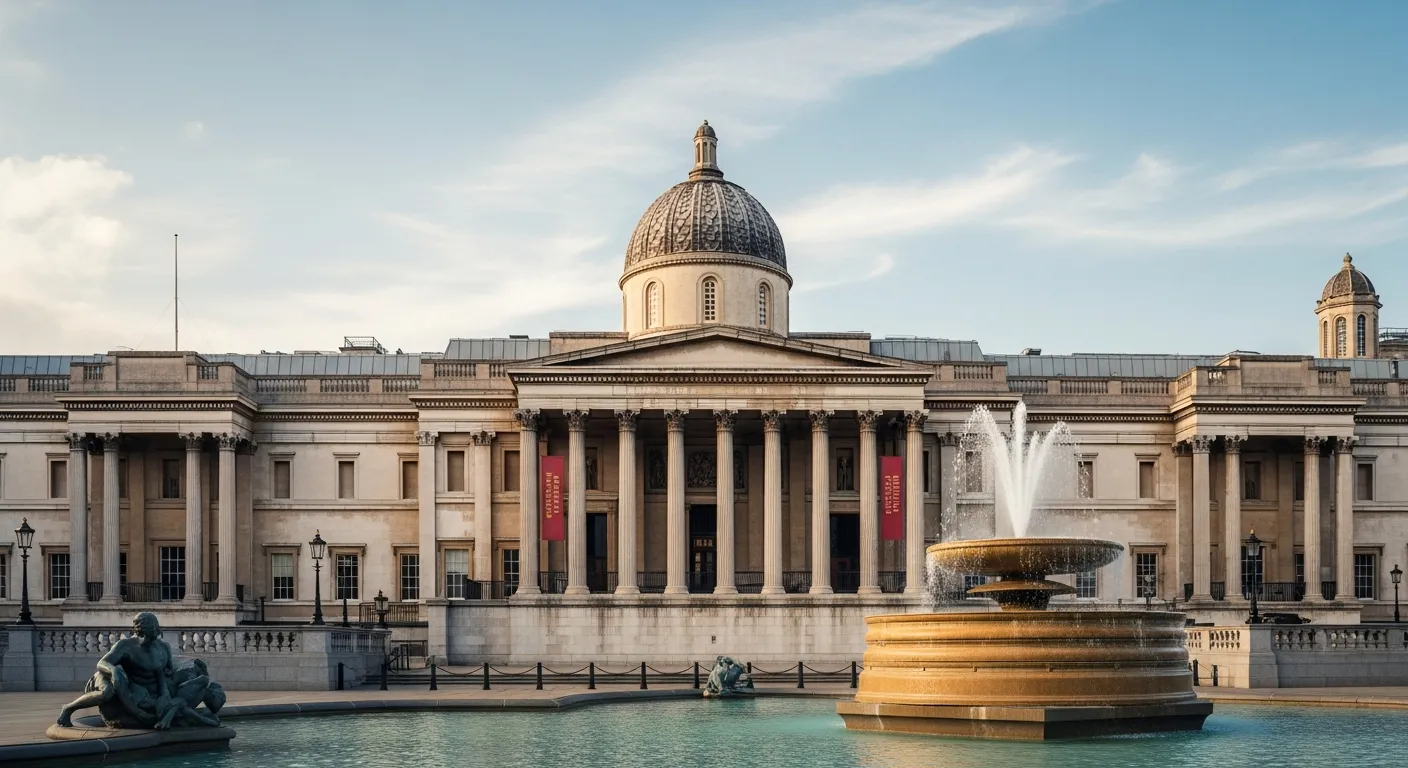
The National Gallery is an art museum in Trafalgar Square in the City of Westminster, in Central London. Founded in 1824, it houses a collection of over 2,300 paintings dating from the mid-13th century to 1900.
FreeLondon, United Kingdom
The Wallace Collection
Bequeathed to the British public by Lady Wallace in 1897, the collection was built by four generations of the Marquesses of Hertford and Sir Richard Wallace. It opened to the public in 1900.
FreeTokyo, Japan
Tokyo National Museum
The Tokyo National Museum is an art museum in Ueno Park in the Taitō ward of Tokyo, Japan. It is the oldest national museum in Japan, the largest art museum in Japan, and one of the largest art museums in the world.
Istanbul, Turkey
Topkapi Palace Museum
Topkapi Palace was the administrative heart of the Ottoman Empire for nearly 400 years, home to the sultans and their court from the reign of Mehmed II (who built it after conquering Constantinople in 1453) until the 1850s. The palace complex covers 70 hectares on a promontory overlooking the confluence of the Bosphorus and the Golden Horn.
Beijing, China
UCCA Center for Contemporary Art
Founded by Belgian collectors Guy and Myriam Ullens in 2007, UCCA was one of the first contemporary art institutions in mainland China to gain international standing.
Florence, Italy
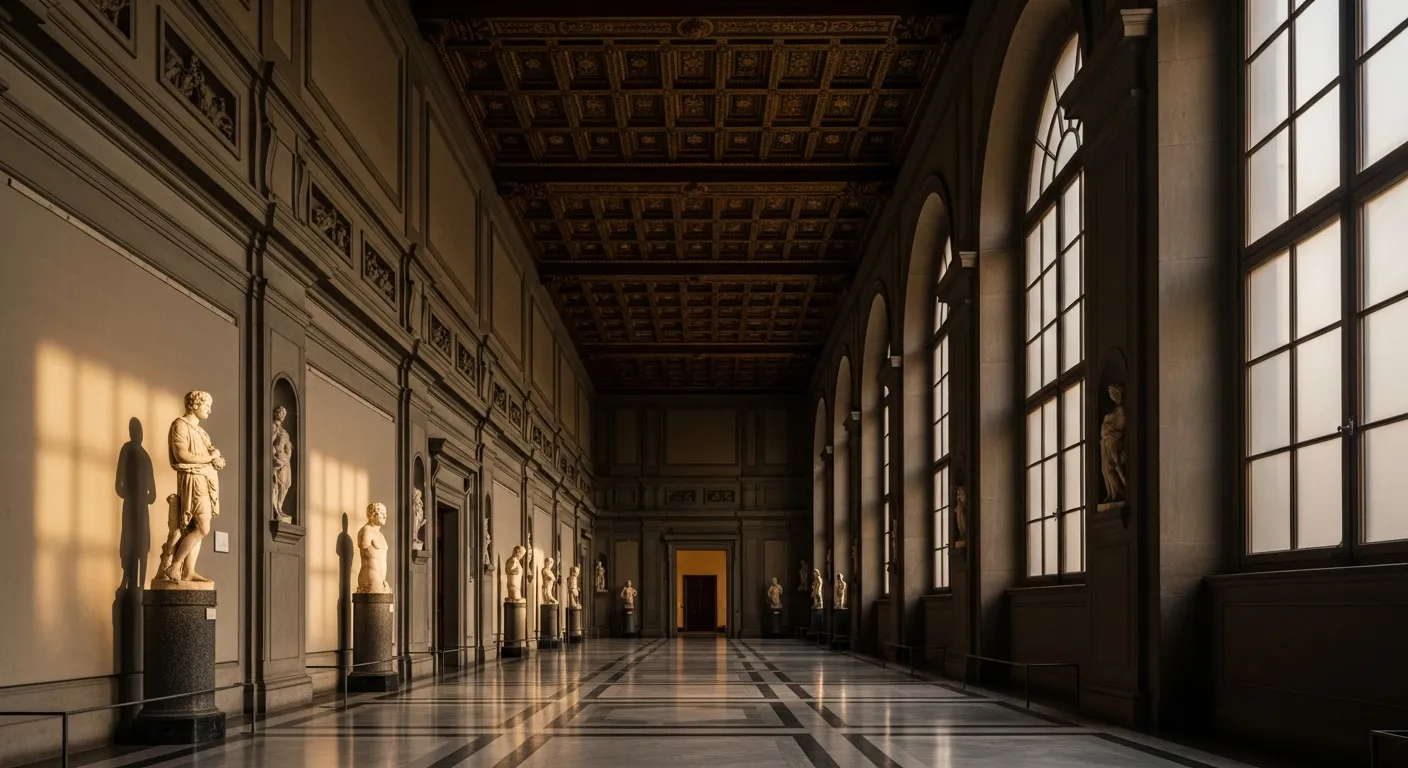
Uffizi Gallery
The Uffizi Gallery is a prominent art museum located adjacent to the Piazza della Signoria in the Historic Centre of Florence in the region of Tuscany, Italy. One of the most important Italian museums and the most visited, it is also one of the largest and best known in the world.
Washington D.C., United States
United States Holocaust Memorial Museum
Opened in 1993, the United States Holocaust Memorial Museum is America's national institution for the documentation, study, and interpretation of Holocaust history. It sits steps from the National Mall and draws over 1.5 million visitors a year — among the most visited memorial museums in the world.
FreeAmsterdam, Netherlands
Van Gogh Museum
The Van Gogh Museum is a Dutch art museum dedicated to the works of Vincent van Gogh and his contemporaries in the Museum Square in Amsterdam South. It opened on 2 June 1973, and its buildings were designed by Gerrit Rietveld and Kisho Kurokawa.
Stockholm, Sweden
Vasa Museum
The Vasa is the best-preserved 17th-century ship in the world. Built for King Gustavus Adolphus of Sweden, the warship sank just 1,300 metres into her maiden voyage in August 1628, in Stockholm harbour, and remained on the seabed for 333 years. The vessel was raised in 1961 and transferred to the Vasa Museum, which opened in its current purpose-built facility in 1990.
Vatican City, Vatican City
Vatican Museums
The Vatican Museums are the public museums of the Vatican City. They display works from the immense collection amassed by the Catholic Church and the papacy throughout the centuries, including several of the most renowned Roman sculptures and most important masterpieces of Renaissance art in the world.
London, United Kingdom
Victoria and Albert Museum
Founded in 1852 in the wake of the Great Exhibition, the V&A was conceived as a museum to inspire British industry and design education. It moved to its current South Kensington site in 1857 and has expanded continuously ever since.
FreeNew York City, United States
Whitney Museum of American Art
Gertrude Vanderbilt Whitney founded the museum in 1930 with her own collection of works by then-overlooked American artists. The museum moved into Renzo Piano's stepped building beside the High Line in 2015.
Jerusalem, Israel
Yad Vashem
Yad Vashem was established by the Israeli parliament (Knesset) in 1953 as the official memorial to the Jewish victims of the Holocaust. Its name — 'a memorial and a name' — comes from the Book of Isaiah. The campus on the western slope of Mount Herzl in Jerusalem covers nearly 18 hectares and includes the Holocaust History Museum, the Children's Memorial, the Garden of the Righteous Among the Nations, and the Valley of the Communities.
FreeYekaterinburg, Russia
Yekaterinburg Museum of Fine Arts
Founded in 1936, the Yekaterinburg Museum of Fine Arts split from the Sverdlovsk Local History collection and now occupies two riverfront buildings on the Iset embankment.
Cape Town, South Africa
Zeitz Museum of Contemporary Art Africa
Zeitz Museum of Contemporary Art Africa (Zeitz MOCAA) is a contemporary art museum located in the V&A Waterfront in Cape Town, South Africa. The museum opened on 22 September 2017 and is the largest museum of contemporary African art in the world.
Common questions
What is a art museums?
Fine art museums hold collections of painting, sculpture, and decorative arts spanning centuries — from encyclopedic institutions like the Louvre to specialists like the Van Gogh Museum.
Which art museums should I visit first?
Plan for 2–4 hours at a large art museum. Choose a wing or period to focus on — attempting everything in one visit leads to museum fatigue. Our guides cover 213 art museums on World Museum Guide.
How many art museums are in the directory?
World Museum Guide lists 213 art museums across 48 countries — with admission, hours, masterworks, and visit routes.